As an Amazon Associate I earn from qualifying purchases.
The cost question is the first thing new anglers ask me about fly fishing. I get it. You see guys on YouTube with $800 rods and forget that they started the same place you’re about to.
The short answer: you can be on the water, catching fish, for under $300. The long answer depends on what you’re trying to do, where you’re fishing, and how much gear you actually need on day one versus later. We’re covering all of it here. If any gear terms are unfamiliar, our fly fishing terms glossary has you covered.
The Short Answer on Cost
A basic fly fishing setup runs $200 to $400 to get started. That covers a rod and reel combo, fly line, a tapered leader, some tippet, and a starter selection of flies.
Add a state fishing license ($15 to $50 depending on where you live) and you’re set. If you’re fishing from the bank or wading a shallow creek, you can skip waders entirely for your first few trips.
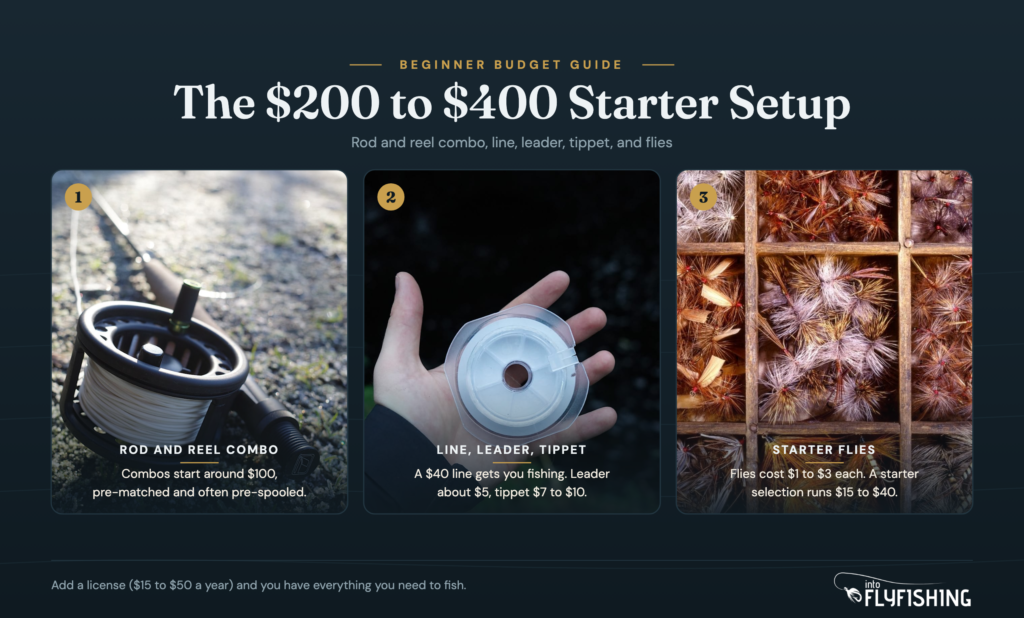
At the budget end, $200 to $250 gets you a functional combo. At the mid-range, $350 to $500 gets you better components that will last longer and cast more smoothly. Above $500 is where you start buying performance you might not notice for a year or two. I’ve watched beginners on $150 combos outfish people with $600 setups. The gear matters less than the time on the water.
| Gear | Budget | Mid-Range | Premium |
|---|---|---|---|
| Fly Rod | $50 – $120 | $150 – $300 | $400+ |
| Fly Reel | $30 – $60 | $80 – $200 | $300+ |
| Fly Line | $30 – $50 | $60 – $90 | $100+ |
| Leader & Tippet | $10 – $15 | $10 – $15 | $10 – $15 |
| Flies (starter pack) | $15 – $25 | $25 – $40 | $40+ |
| Waders | $60 – $120 | $150 – $250 | $300+ |
| Wading Boots | $60 – $100 | $100 – $200 | $250+ |
| Polarized Sunglasses | $20 – $50 | $60 – $150 | $200+ |
| Fishing License | $15 – $50 / yr | $15 – $50 / yr | $15 – $50 / yr |
Gear Breakdown: What Each Item Actually Costs
Fly Rod and Reel
This is your biggest upfront cost and also where the range is widest. Budget rod and reel combos start around $100 and go to about $180. At that level, you’re fishing a workable setup. Mid-range combos run $200 to $350 and are where I’d tell most new anglers to land if they can.
For most trout fishing, you want a 9-foot, 5-weight rod. That covers the majority of rivers and situations a beginner will encounter. Read our guide to the best beginner fly rods when you’re ready to pick one out. It’ll show you the exact picks our team has tested, at every price point. If you’re unsure what weight to buy, the fly rod weight guide breaks that down clearly.

Fly Line, Leader, and Tippet
Budget fly lines run $30 to $60. Buy a weight-forward floating line to match your rod weight. A 5-weight rod takes a 5-weight line. Don’t overthink it on your first setup. A $40 line will get you fishing. Our best fly lines guide explains the differences once you’re ready to upgrade.
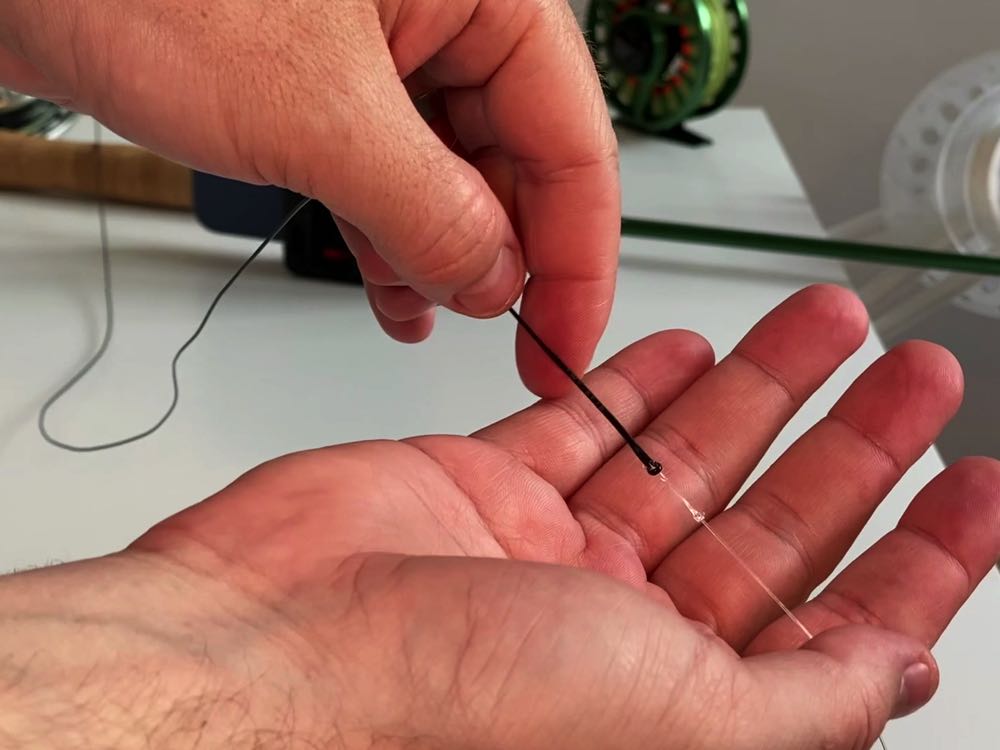
A 9-foot tapered leader costs about $5 and attaches to the end of your fly line. You’ll also need tippet, which is the thinner, unattached line you tie your fly to. A spool of 5X tippet runs $7 to $10 and lasts a long time. Our post on leaders and tippet explained covers what these terms mean if you’re new to them, and the fly fishing knots guide will teach you the three or four knots you’ll use every session.
Flies
A starter selection of 12 to 24 flies runs $15 to $40. Get a mix: some dry flies (they float), some nymphs (they sink), and a few streamers. Elk Hair Caddis, Parachute Adams, and a few Hare’s Ear nymphs cover most beginner trout situations. Flies are cheap, and you’ll lose a few in trees at first anyway.
Waders and Wading Boots
Budget breathable chest waders run $60 to $120. Wading boots add another $60 to $100. You’re looking at $120 to $220 for both at the budget end. Our team has tested a lot of them for the best budget waders post, so check there for picks that will hold up.
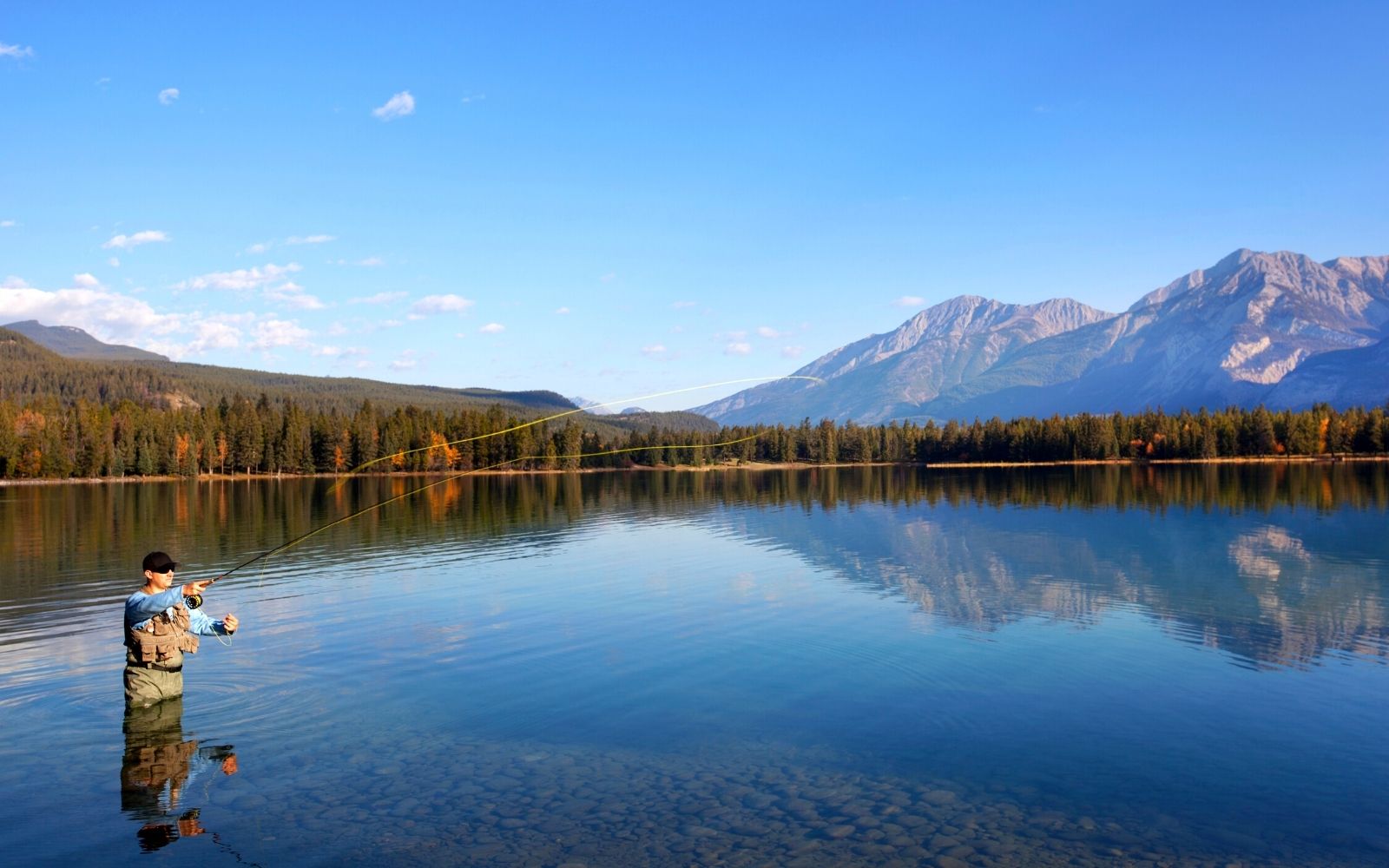
The catch: you don’t need waders to start. See the next section.
Polarized Sunglasses
Budget polarized glasses run $20 to $50. They let you see through the water’s surface to spot fish and structure, which matters a lot for fly fishing. They also protect your eyes from a fly going sideways on a bad backcast. Don’t skip these. You don’t need anything expensive to start.
Do You Really Need Waders to Start?
No. A lot of beginners assume waders are required on day one. They’re not. For your first trips, fish from the bank or wade in shorts and old sneakers if the water is warm enough. You’ll get your feet wet and that’s fine.
Waders become useful once you’re fishing regularly. They let you get into position more easily and keep you comfortable in cold water. But spending $150 on waders before you’ve decided you love fly fishing is putting the cart ahead of the horse. Try it first. Add the gear later if you stick with it.
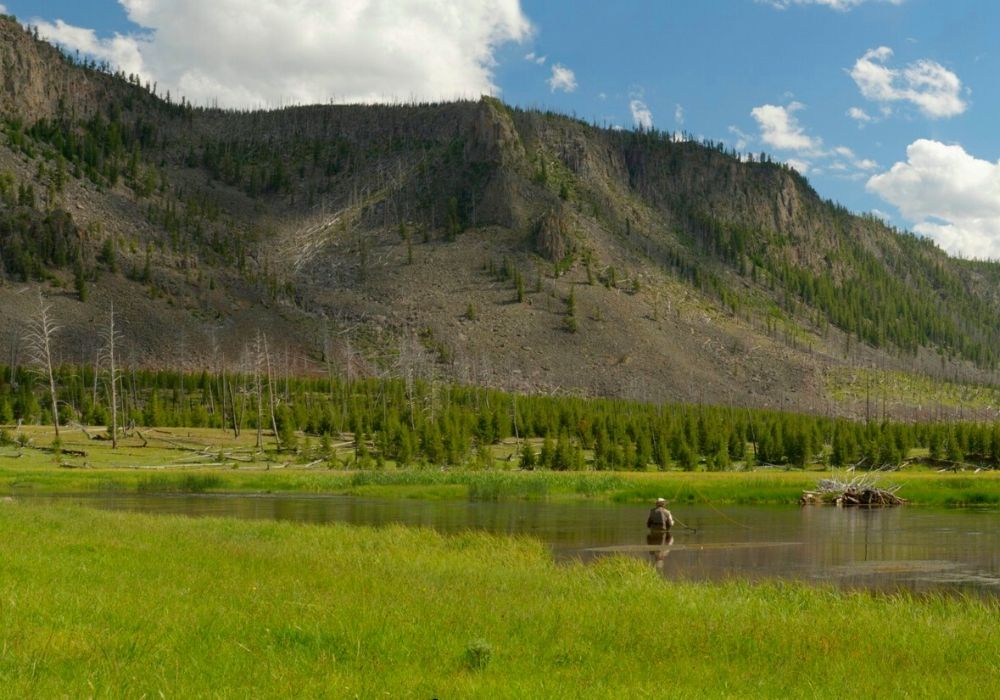
In warm weather on a summer creek, fishing in shorts will outperform someone fumbling with waders they just bought. Get on the water, then gear up.
Ongoing Costs After Your First Year
Once you have the setup, the ongoing costs are low. Flies cost $1 to $3 each and you’ll lose some, so budget $20 to $40 a year on flies if you’re fishing a few times a month. Tippet refills run $7 to $10 per spool. Leaders need replacing after a season or two of hard use.
Your fishing license renews every year. Depending on your state, that’s $15 to $50 for a basic freshwater license. Some states offer lifetime licenses that pay off over time if you’re in it for the long run.
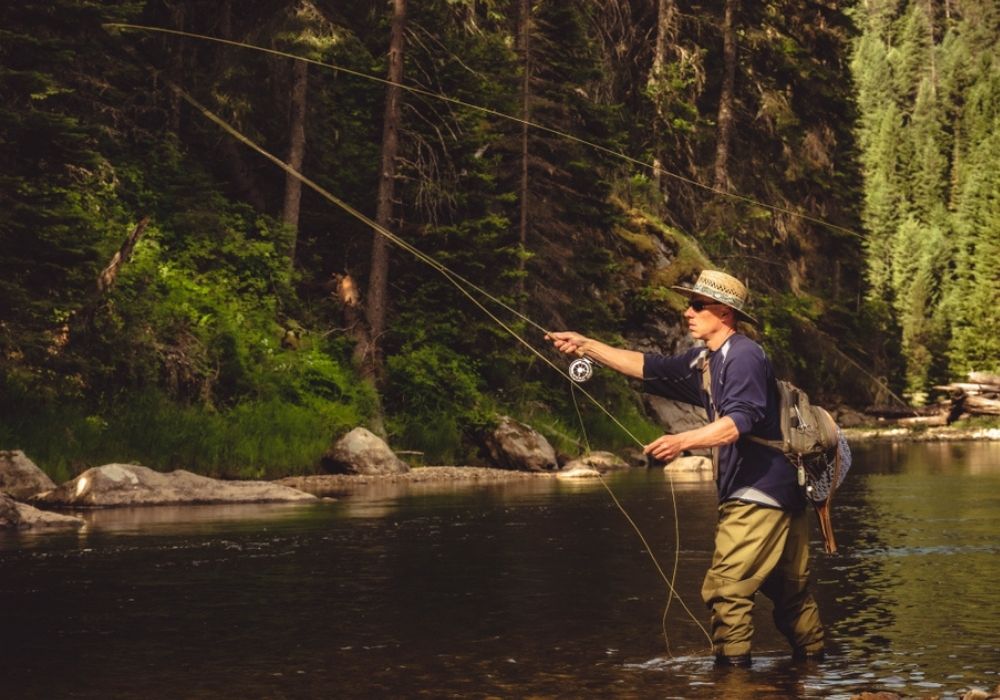
After a year or two, you might want to add a net, a pack or vest to carry your gear, or a better fly selection. None of that is urgent. Start with the basics and add things when you see a gap. There’s more on the different fly fishing techniques you’ll start learning once you’re comfortable with the basics.
Is Fly Fishing More Expensive Than Regular Fishing?
The startup cost is higher than basic spin fishing. A spinning setup costs $30 to $80, while a fly setup costs $200 and up. That gap is real.
But the ongoing costs are about the same. Both require a fishing license. Lures and bait for spin fishing add up too. And once you have a decent fly setup, it lasts a long time. A good fly rod doesn’t wear out. We looked at how fly fishing compares to spin fishing in more detail if you’re deciding between them.
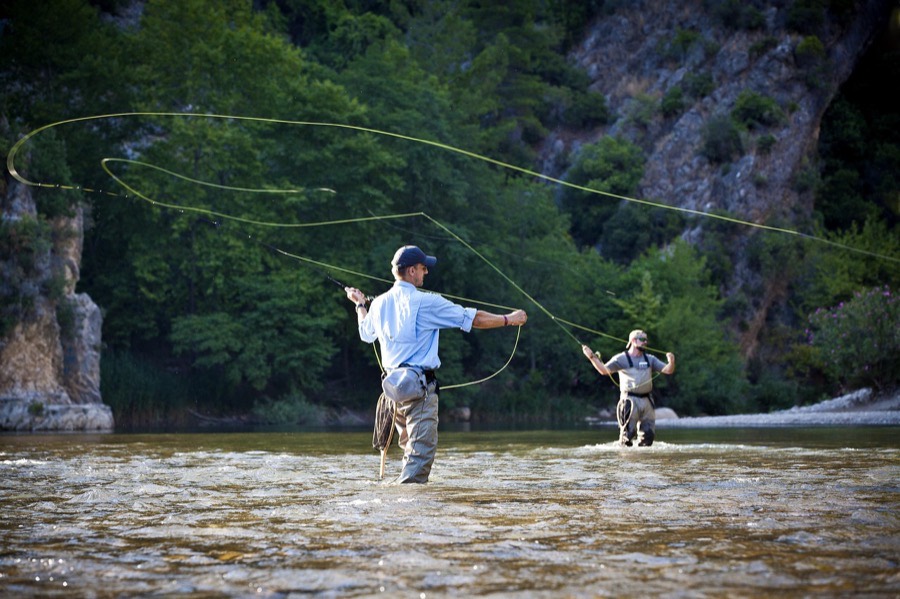
The bigger difference is access. Fly fishing is almost always catch-and-release on public water, which costs nothing. Guided trips, private water, and destination fishing trips are where the costs get serious. But a local river, a license, and a $250 setup? That’s a sport a lot of people can afford.
Three Ways to Cut Your Startup Costs
Buy a rod and reel combo instead of separate pieces. Combos are pre-matched and usually pre-spooled with line, which saves you money and setup time. Most are a better deal than buying the rod, reel, and line separately at similar price points.
Skip the waders until the second season. Fish warm-weather water in shorts first. Use that $150 to $200 savings on a better rod or reel, or just keep it in your pocket until you’re sure you’re hooked.
Learn to cast before you buy anything. A two-hour casting lesson from a local guide costs $50 to $100 and will save you months of bad habits. Our how to cast a fly rod guide is free and covers the basics. Watch it before your first trip so you’re not starting completely cold.

- 9-foot, 5-weight fly rod (or combo)
- Matching fly reel (pre-spooled with line if possible)
- Weight-forward floating fly line (WF5F)
- 9-foot tapered leader, 5X
- Spool of 5X tippet
- 12 to 24 assorted dry flies and nymphs
- Fishing license for your state
- Polarized sunglasses
Frequently Asked Questions
Not at the entry level. A functional setup runs $200 to $300 and will last years. The sport gets expensive if you chase it that way, but you can fish local water on a modest budget without missing much.
Getting started costs more than basic spin fishing. Once you have the setup, the ongoing costs (flies, tippet, license) are low. A single rod and reel can last a decade of regular fishing.
Budget around $200 to $400 for a complete starter setup. That covers a rod and reel combo, fly line, leader, tippet, a small fly selection, and a fishing license.
Budget fly rods run $50 to $120. Mid-range rods are $150 to $300. High-end rods start at $400 and go well past $1,000. For most beginners, a rod in the $100 to $200 range is the right place to start.
A rod and reel combo for under $150 will catch fish. It won’t cast as far or feel as smooth as a $300 setup, but it works. Plenty of the best beginner fly fishing happens on modest gear on local public water.
Amazon and the Amazon logo are trademarks of Amazon.com, Inc, or its affiliates.
As a part of the Amazon Associates Program and other affiliate programs, Into Fly Fishing® may receive a comission if you order products through links on this website.