As an Amazon Associate I earn from qualifying purchases.
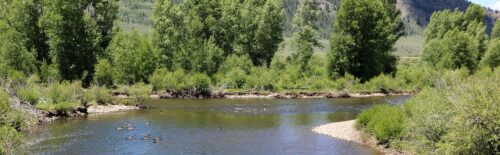
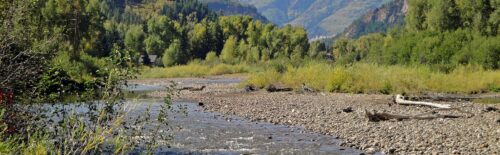
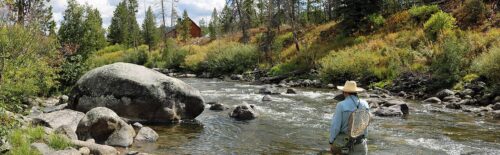
Williams Fork River fly fishing near Parshall is a walk-in tailwater outing. The Kemp Unit provides access to the lower river below Williams Fork Reservoir, where brown and rainbow trout live. Allow roughly half an hour for the approach, then leave time to fish before the return walk.
I’ve worked as a professional fly fishing guide for 15 years. For a Williams Fork day, I’d pack a small selection of nymphs and dries, with a few streamers as another option. The walk makes me want to arrive with a clear plan for the public entry and the tackle I expect to use.
This guide covers the Williams Fork that joins the Colorado River near Parshall, with the public lower tailwater as the main outing. Use our Colorado river directory to compare it with other trips around the state. Reservoir fishing is a separate plan, with different access and recreation rules.
Quick Answer: For Williams Fork River fly fishing near Parshall, plan a walk-in day through the Kemp Unit below Williams Fork Reservoir. Bring small nymphs and dry-fly options, leave time for the return walk, and check the tailwater gauge. Artificial flies or lures are required, and all trout must be released.
Other Rivers In Colorado
- Gunnison River
- Cache la Poudre River
- Yampa River
- Roaring Fork River
- Taylor River
- Eagle River
- Frying Pan River
- Rio Grande In Colorado
- Arkansas River
- Animas River
- Colorado River
- South Platte River
Walk Into The Kemp Unit
Start with the Kemp-Breeze State Wildlife Area information and its official access map. Find Parshall on Highway 40, then County Road 3 and the Kemp Unit parking on the south side of the Colorado River. The map shows a trail leading west from the parking area toward the Williams Fork.
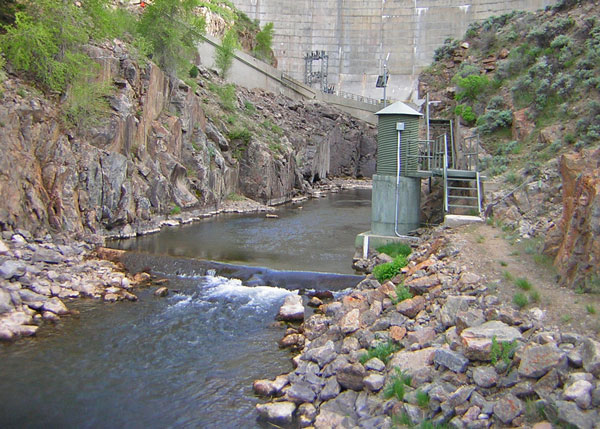
Save the Kemp Unit access map before leaving town. Match the parking and entrance signs to that route when you arrive, follow the established trail, and note where you join the river for the return walk.
Give The Walk Its Own Time
Allow roughly half an hour for the approach and leave additional time for the return. Your pace and trail conditions will change that estimate. If you have only a short session, account for both walks before deciding how much fishing time you actually have.
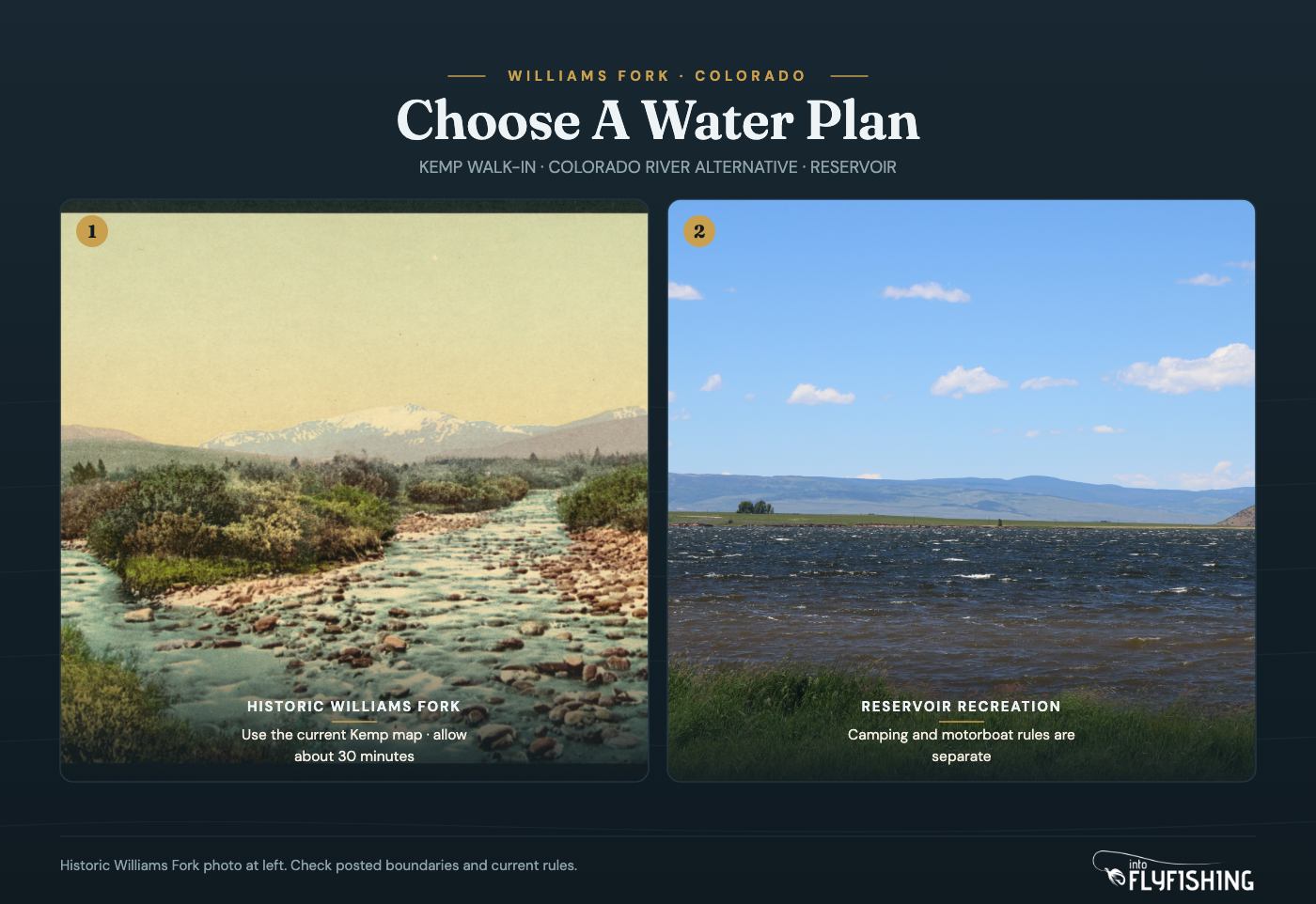
The nearby Colorado River guide covers Parshall and Pumphouse if you are comparing outings in this part of the state. Allow a separate session for that outing so the Williams Fork approach still leaves you time to fish.
Kemp Unit Entry And Tailwater Rules
The fishing rule runs from Williams Fork Dam downstream to the Colorado River confluence: use artificial flies or lures and return all trout to the water immediately. That describes the regulated water. For your route along the bank, follow the public property boundaries and posted signs rather than assuming the regulation grants access to every part of the reach.
Colorado Parks and Wildlife requires visitors age 16 or older to have a valid hunting or fishing license or an SWA pass to enter this wildlife area. Check your fishing license separately when preparing for the outing, and keep the required documents with you.
The two wildlife-area units have different features. The Breeze Unit hay meadow wetland closes to access from March 15 through July 15, and fishing in its Kids Pond is restricted to young anglers and anglers with mobility impairments. Use the Kemp Unit route for the river outing described here.
Read The Water Before You Rig
Brown and rainbow trout inhabit the lower Williams Fork, and nymphs, dries, and streamers all have a place here. Watch the water before choosing among them. A repeating rise gives you a surface target; without one, you can investigate below the surface.
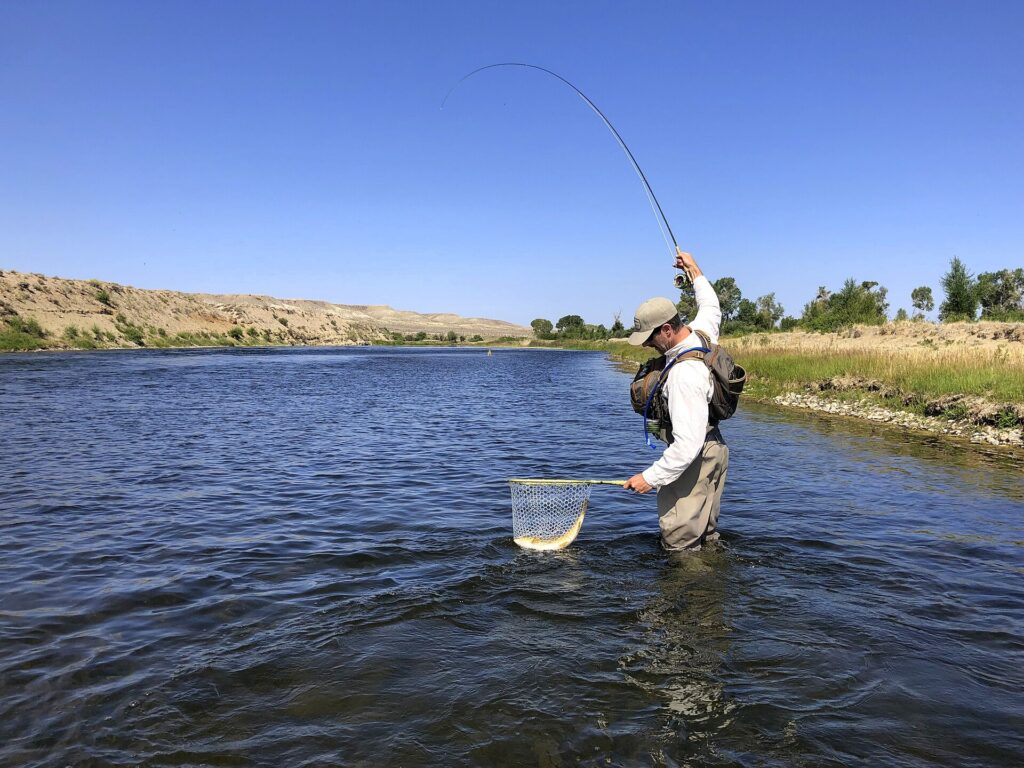
Begin with a reachable lane and a cast you can follow. Look at the path the fly will take through that lane and where the drift will finish. Work that piece of water before extending the cast across more current.
Fish A Nymph Through The Run
Nymphing is one of the lower Williams Fork’s established methods. Choose a run you can cover from your position and pay attention to the fly’s drift before changing patterns. A different casting angle may be worth trying before a different fly.
Be Ready To Fish The Surface
Dry flies belong in the box even if you expect to nymph. Midges, blue-winged olives, and caddis are established hatch families on the Williams Fork, and surface activity can give you a reason to change methods. Watch what is happening on the day instead of making the first rig a commitment for the whole session.
When a trout rises repeatedly, locate where the fly should land and make a manageable cast to that fish. If you are learning the basics of reading and presenting to trout, our trout fly fishing guide gives you more to practice between trips.
Keep your sunglasses within reach while you watch the water. If you need a pair, the KastKing Skidaway polarized glasses are included in our fishing sunglasses guide. Check the fit before the trip, especially if you will also be wearing a hat.
Small Nymphs And Surface Flies
Begin with a few dependable choices for different jobs. Pheasant Tail nymphs in sizes 18 to 20 and RS2-family patterns in sizes 20 to 22 give you two subsurface starting points. Add small dry flies for the midges and blue-winged olives you may encounter, along with a caddis option.
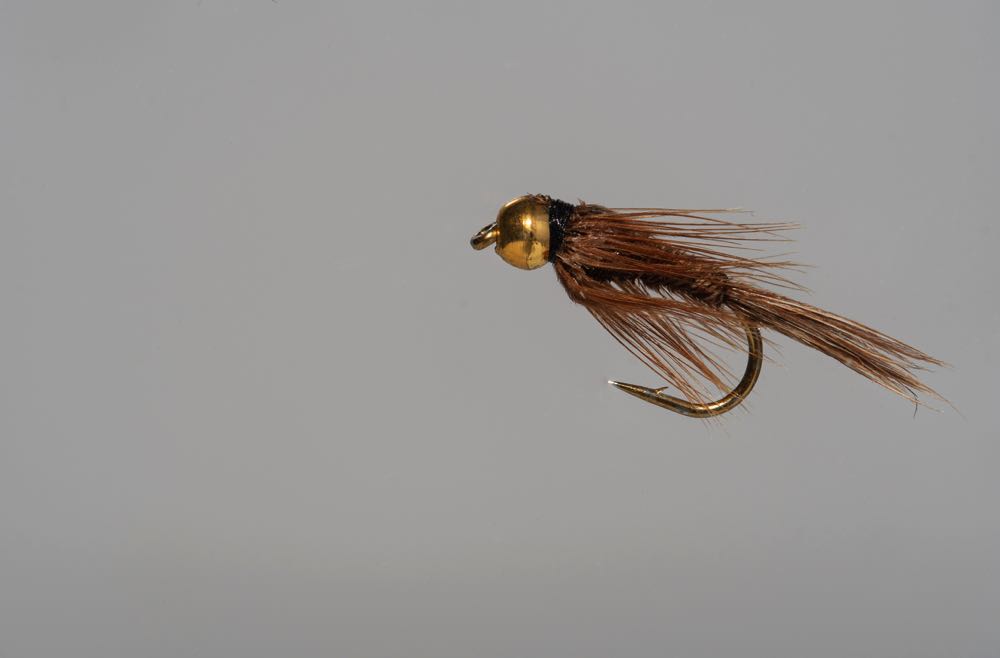
Pack replacements for the Pheasant Tail and RS2 sizes you plan to use. Keep them in separate, easy-to-find rows so changing between the two does not mean searching through the whole box.
Use The Pattern For Its Job
The nymphs cover the subsurface part of the selection. For the surface, choose a small dry that matches the activity you can see; the graphic below pairs the nymph sizes with a photograph of a Pheasant Tail and a general fly assortment.
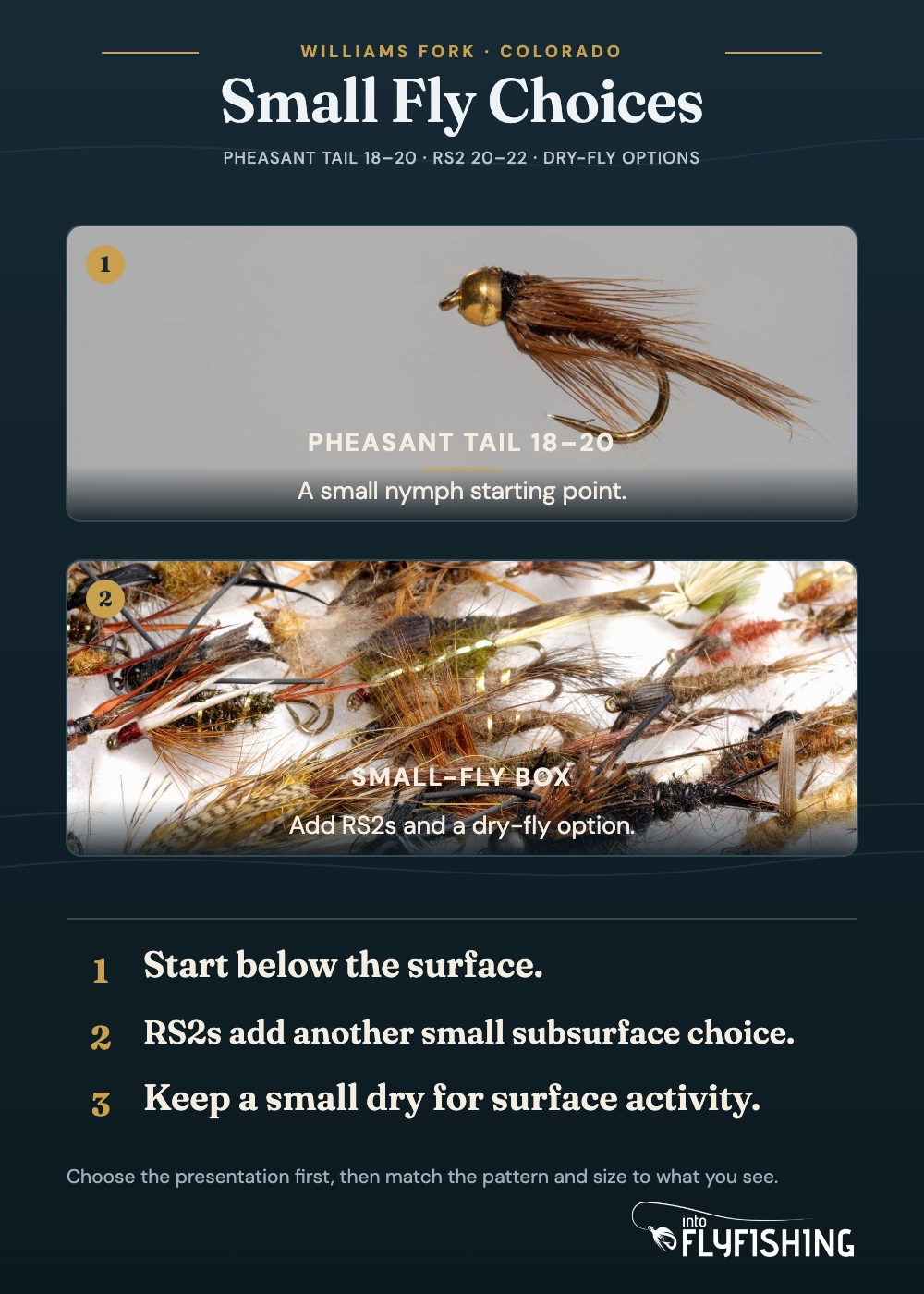
The SF slim fly box gives you a compact place to organize small flies. Check the space in your current box before adding another. Our fly box guide covers other layouts if your selection needs more room.
Leave Room For A Streamer
Leave space for a few streamers if you want to try a moving fly. They add another presentation to the small nymph and dry-fly selection, without requiring a large box of patterns.
Plan Around The Release And The Return Walk
This is a reservoir tailwater, so use information for the water below Williams Fork Reservoir when checking flows. An upstream reading describes a different part of the river. Save the station called Williams Fork Below Williams Fork Reservoir, Colorado rather than relying on a search result with only the river name.

Check the observation time and flow trend, then assess the water at your public entrance. Choose fishing positions according to the current and footing there; a gauge reading cannot establish that a crossing is safe.
Pack For The Whole Outing
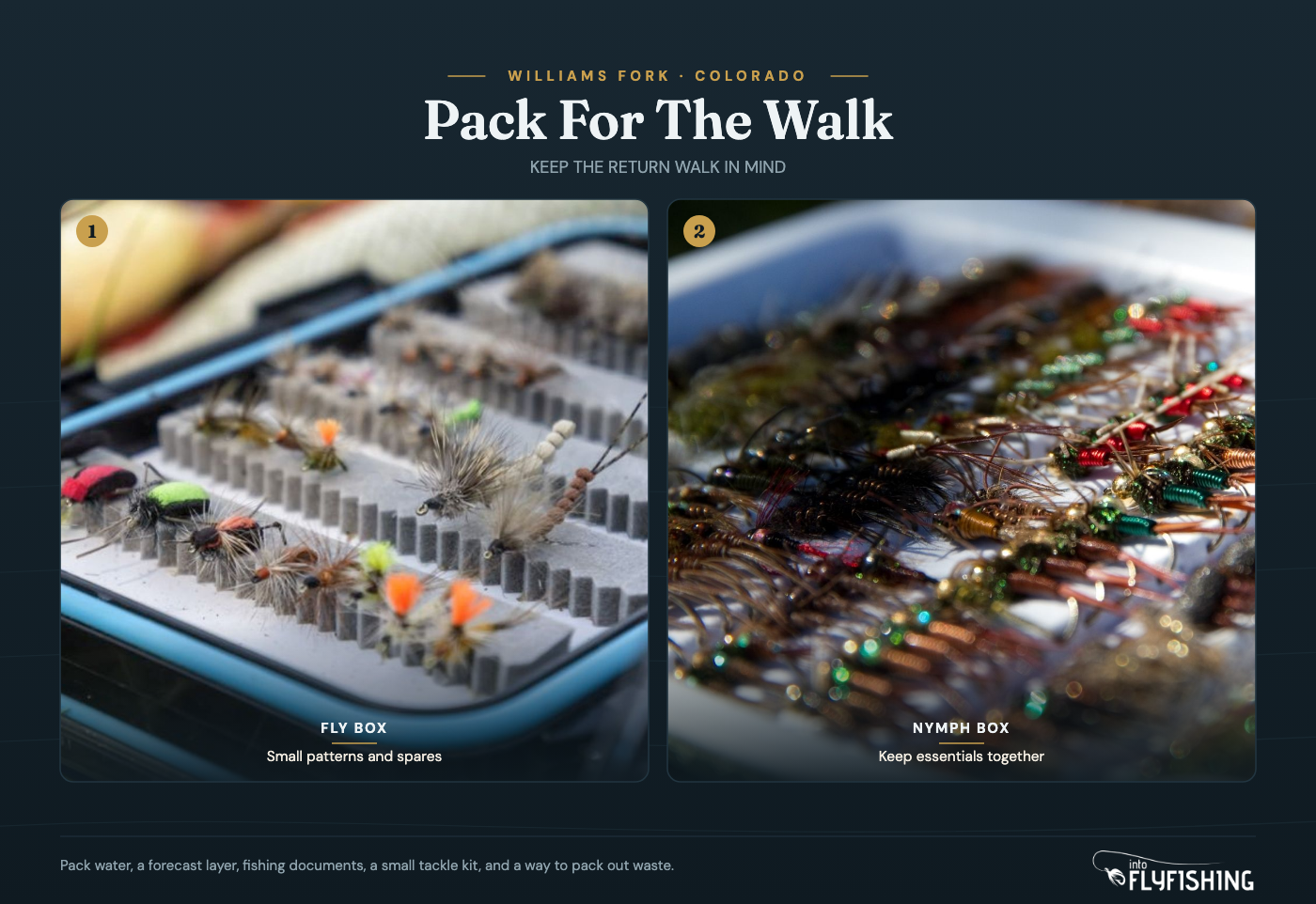
The walk changes what is worth carrying. Put water, a layer for the forecast, your fishing documents, the small tackle kit, and a way to pack out waste together before leaving. Keep the return time in mind as you move, so the last promising run does not leave you rushing back.
If your waders need replacing, compare the Frogg Toggs Canyon II stockingfoot waders with the options in our wader guide. Try the complete outfit with the footwear and clothing you will wear. Comfort on the approach matters as well as comfort while standing beside the river.
Treat The Reservoir As A Separate Visit
If you want to camp at Williams Fork Reservoir, use Denver Water’s recreation information to book and prepare. Campsites require a reservation and a fee, and there is no drinking water on-site. Older descriptions of free camping should not be the basis for your overnight plan.
Denver Water also prohibits motorized boats on the reservoir in 2026 because of low water levels. That is a reservoir recreation restriction, separate from the walk-in river outing described here. Read the current recreation notices before adding a lake visit to the trip.
Williams Fork River Fly Fishing Questions
This guide covers the Williams Fork below Williams Fork Reservoir near Parshall, Colorado. The river joins the Colorado River downstream. The public Kemp Unit provides a walk-in approach to the lower river.
From Williams Fork Dam downstream to the Colorado River confluence, fishing is limited to artificial flies and lures, and all trout must be returned to the water immediately. Check current regulations and posted property boundaries before fishing.
Pheasant Tail nymphs in sizes 18 to 20 and RS2-family patterns in sizes 20 to 22 are starting choices. Carry dry-fly options for midges and blue-winged olives, plus a caddis option. Choose the presentation for the activity you see.
Allow roughly half an hour for the Kemp Unit approach, with additional time for the return. Your pace, starting point, and trail conditions affect that estimate. Follow the established public route and check the entrance signs.
For this tailwater outing, use the USGS station named Williams Fork Below Williams Fork Reservoir, Colorado. Check the observation time and flow trend. A reading from a different reach should not be treated as interchangeable.
Spend A Day On The Lower Williams Fork
For a day on the lower Williams Fork, I’d plan around the Kemp Unit approach and one stretch of fishing water. Allow for the walk in both directions, then leave the middle of the day for trying the small nymphs, watching for surface activity, and adjusting the presentation. Bring enough replacements that a lost fly does not force a change of method.

For the rest of the trip, our Colorado fly fishing guide covers the wider state, while the US rivers guide connects the state directories. Leave enough space between outings to enjoy each river. I would rather finish a Williams Fork day with a better feel for the water than a long list of places I barely fished.
Featured photo: Tom Koerner / U.S. Fish and Wildlife Service, public domain.
Save This Williams Fork Guide For Later


Pin 1 photo, Pin 2 photo: Tom Koerner / U.S. Fish and Wildlife Service, public domain. Photos cropped with text added.
Amazon and the Amazon logo are trademarks of Amazon.com, Inc, or its affiliates.
As a part of the Amazon Associates Program and other affiliate programs, Into Fly Fishing® may receive a comission if you order products through links on this website.