As an Amazon Associate I earn from qualifying purchases.
Fly fishing the Colorado River in Colorado starts with a choice between public water around Parshall and the river-access areas below Gore Canyon. Both have places to fish on foot, while Pumphouse also gives you developed boat launches. Your access point matters as much as the river name.
I’ve fished for trout across the United States, including the Colorado River. For a day without a boat, I’d look at the Kemp-Breeze State Wildlife Area near Parshall. For a float, I’d start with Pumphouse and work out the take-out and shuttle before choosing flies.
This guide covers the upper Colorado around Granby, Parshall, Kremmling, and Pumphouse. Use our Colorado river directory to compare other rivers, or the broader Colorado fly fishing guide for the rest of your trip.
Quick Answer: For Colorado River fly fishing in Colorado, choose public access around Parshall or plan a trip from Pumphouse. Both areas offer fishing on foot. Check the rules for the exact reach, since the Gold Medal designations and the artificial-only, catch-and-release boundary are different.
Other Rivers In Colorado
- Animas River
- Arkansas River
- Frying Pan River
- Rio Grande In Colorado
- Eagle River
- Taylor River
- Roaring Fork River
- Yampa River
- Cache La Poudre River
- Gunnison River
Choose Between Parshall And Pumphouse
Settle the access question before booking a room. Around Parshall, the Colorado has public fishing areas mixed with private parcels. A map showing a river beside the road doesn’t tell you where you can park, cross the bank, or start fishing.
The Kemp-Breeze State Wildlife Area is a useful place to start. Open its official map and choose the public unit you intend to visit. Keep that map available on your phone so you can recognize the property boundaries once you’re there.
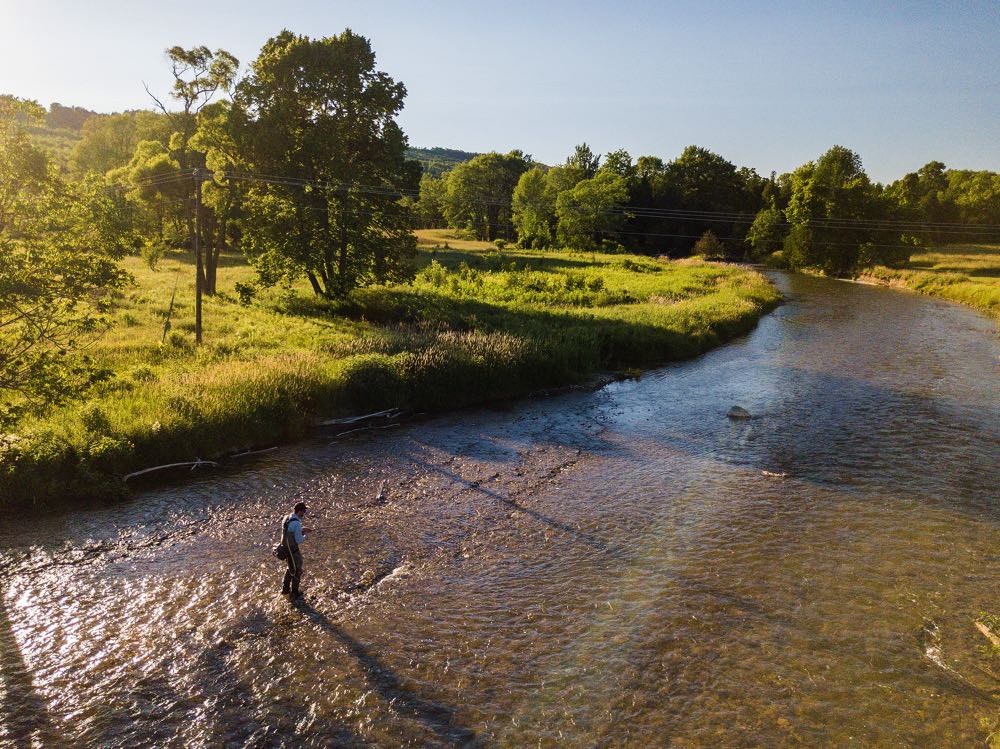
The Parshall area gives you slower runs, riffles, and deeper holes to work through. I’d choose a manageable piece of public water and spend time looking at those changes in current. If you aren’t seeing fish rise, nymphs give you a way to fish below the surface without waiting for a hatch.
Pumphouse gives you a different set of options. The BLM recreation area has three developed boat-ramp sites, and its trails also provide bank and wade-fishing access. You can visit with a rod and walking shoes without arranging a float.
For a boat trip, I’d choose the full route with an outfitter before committing to a launch. Ask where you’ll take out, how the shuttle works, and whether that stretch suits your rowing experience. A convenient ramp only solves the beginning of the day.
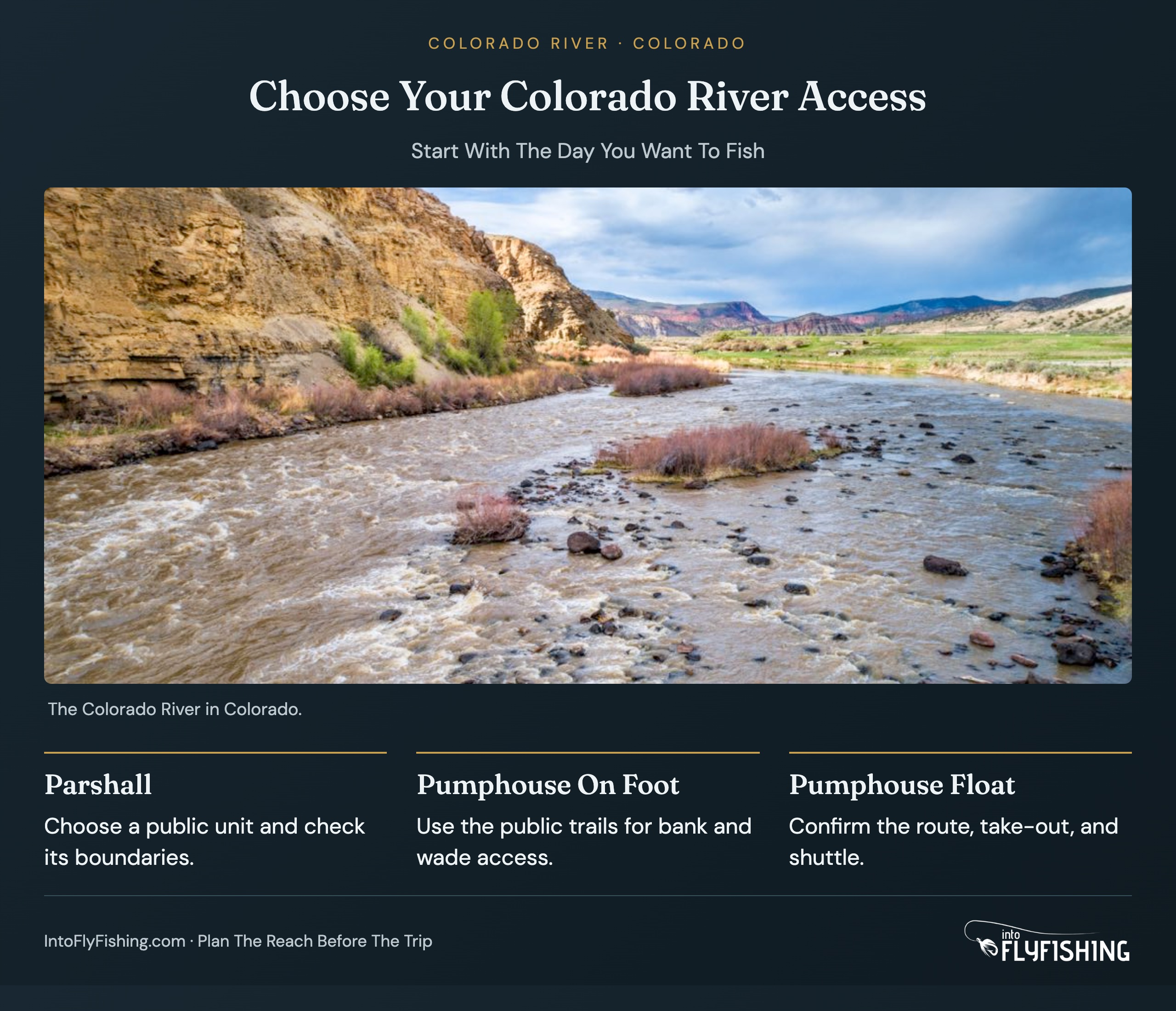
Pumphouse charges day-use and camping fees during its posted fee season. If you plan to camp, check availability and reserve a site through Recreation.gov. For entry to Kemp-Breeze, everyone 16 or older needs either a valid hunting or fishing license or an SWA pass. Check the current CPW page before the trip.
Match The Fishing Rules To Your Reach
Save the Colorado River entry from the current CPW fishing brochure before leaving. There are separate rules on either side of the US 40 bridge west of Hot Sulphur Springs, and the Gold Medal boundaries don’t follow that same division.
From Lake Granby Dam downstream to the US 40 bridge approximately three miles west of Hot Sulphur Springs, the trout bag and possession limit is two. That reach’s special rule does not add an artificial-flies-and-lures-only restriction.

From that US 40 bridge downstream to Troublesome Creek, fishing is restricted to artificial flies and lures, and all trout must be released immediately. Find the actual bridge and creek on the map before assuming the rule applies to the water in front of you.
Downstream of Troublesome Creek, CPW lists a two-trout bag and possession limit on the broader reach toward the I-70 Exit 90 bridge at Rifle. Fishing is prohibited within 50 yards upstream and downstream of the Canyon, Elk, Grizzly, and No Name Creek confluences from March 15 through May 31 and from October 1 through November 30, so locate those boundaries before moving to another access area.
The two Gold Medal sections run from the Fraser River confluence near Windy Gap to Troublesome Creek, and from Canyon Creek near Pumphouse to Rock Creek near McCoy. Treat those names as a way to locate the designated fishing water, then read the regulations for your exact reach.
Gold Medal status doesn’t make every bank public or impose one catch-and-release rule across both sections. I’d check the regulations and public-land map side by side, especially if moving between Parshall and Pumphouse during the same trip.
Check The Water Before Choosing A Date
Leave some flexibility in the day you choose to fish this river. A monthly calendar can’t tell you what a particular bank looks like after a change in flow, and the Colorado around Parshall and the water near Pumphouse need separate checks.
The Colorado River Near Kremmling gauge gives you a named reference for that part of the river. Look at the recent trend as well as the latest reading, then compare it with the report for the access area you’re considering.
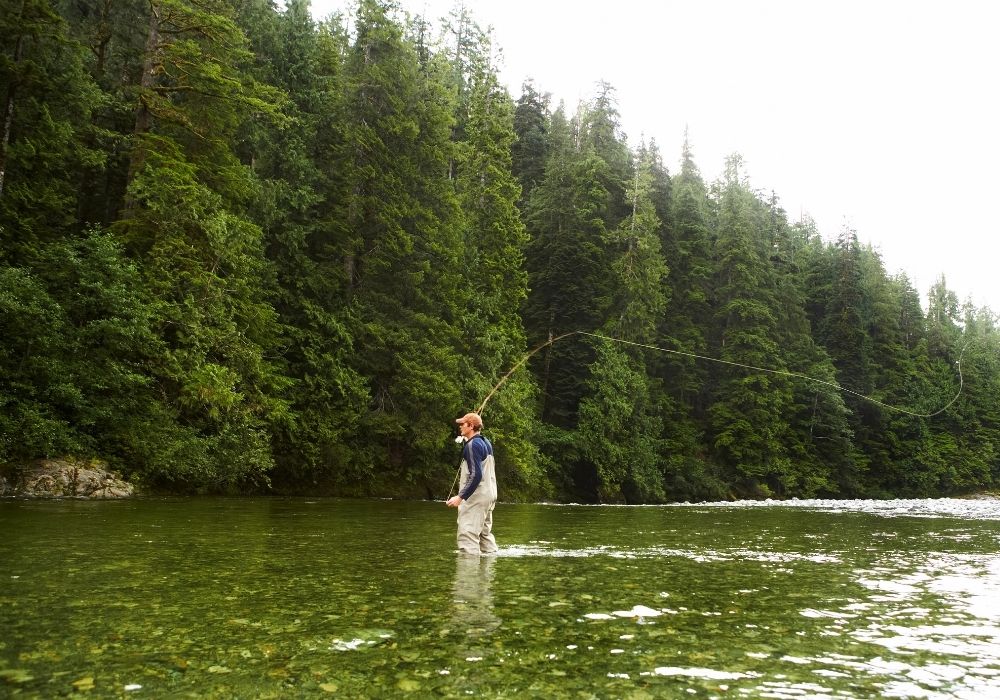
Use the Parshall report for the upper access areas and the Pumphouse report for that part of the river. Check each report’s update date. An old flow figure or closure notice can remain on a page after conditions change.
For restrictions, go back to CPW’s fishing information before you drive. A seasonal confluence closure written into the regulations is separate from a temporary request to stop fishing during warm water. Both can affect the plan, but they need different checks.
I wouldn’t use one flow reading as permission to wade. Decide at the bank whether you can fish from where you are, and leave water you can’t comfortably reach. For more on choosing a place to cast, our guide to reading trout water explains the differences between runs, riffles, and slower edges.
Take A Small Selection Of Nymphs
I’d start my fly selection with Pheasant Tail nymphs, Zebra Midges, and RS2s. These give you several established patterns to compare with the current Parshall and Pumphouse reports. Add the size and color recommended for the stretch you’re actually fishing, rather than buying a large assortment for the whole river.
Around Parshall, nymph fishing is a useful starting point when there are no rising fish. If you see a hatch and trout feeding at the surface, that gives you a reason to change. I’d watch the water for a few minutes before tying on another fly.

Pheasant Tail and Hare’s Ear nymphs both appear in the Parshall recommendations. The two photographs below show those patterns separately, which is more useful when you’re buying flies than trying to identify everything in a crowded box.
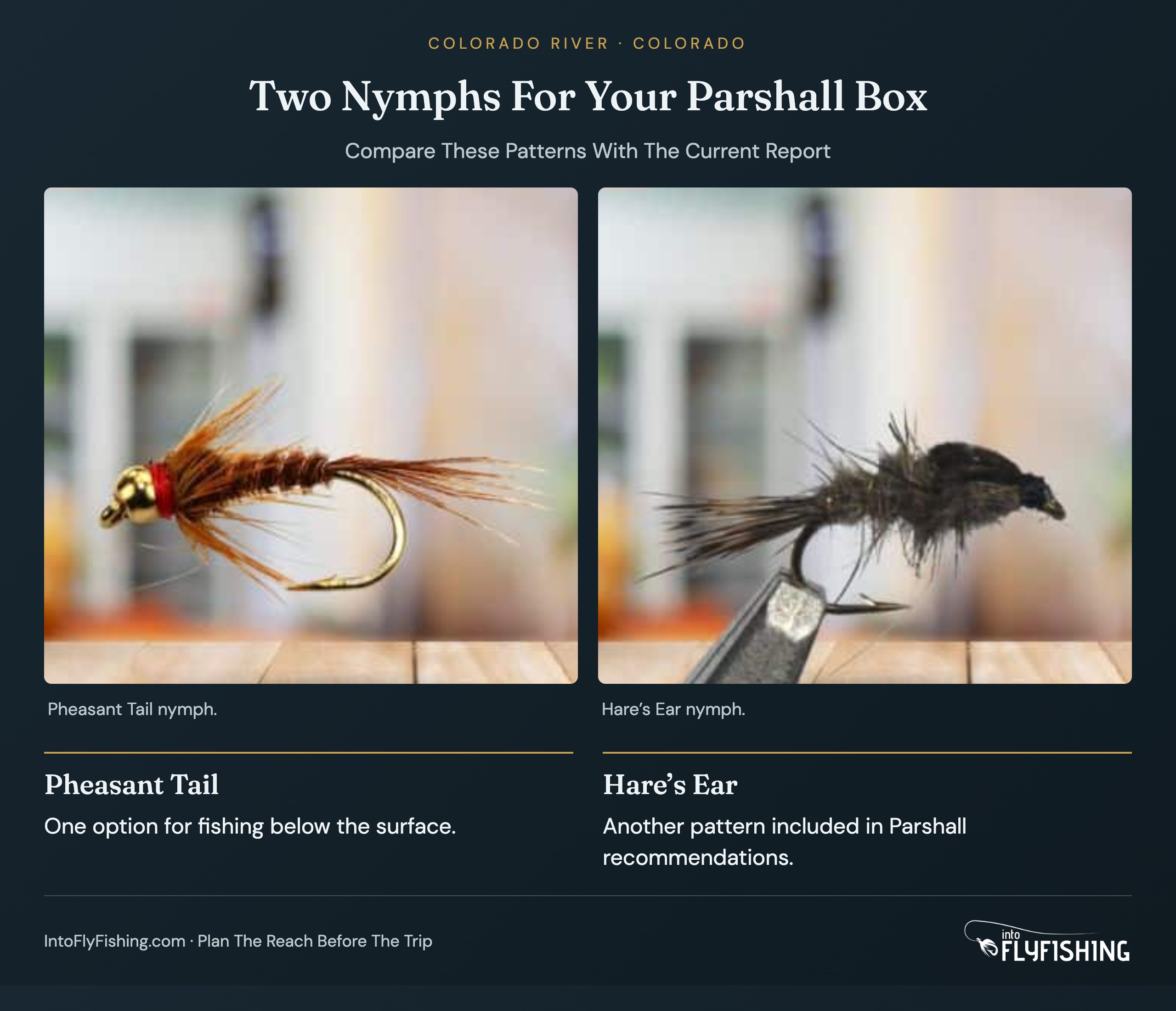
Keep a few options together in a compact box so you can change without unpacking your bag. The SF Slim Fly Box is one option for organizing that selection. I’d leave space for flies picked up locally after checking the latest report.
Streamers are another option in the Colorado River reports, but I wouldn’t make the day depend on one technique. Start with the water and feeding activity you can see. Our trout fly rod guide can help you compare tackle if your current rod doesn’t suit the flies you intend to cast.
Pack For The Access You’ve Chosen
For a day on foot, keep the equipment simple enough to carry between the car and the water. Check the walk on the access map, pack what you need for that distance, and avoid hauling an entire tackle collection along a bank.
If you’re buying waders, the Frogg Toggs Canyon II is an option to compare for fit and the way you intend to fish. Try your clothing underneath before the trip. Comfortable equipment helps on a walking day, but you can also choose water that you can reach from the bank.

Pack sunglasses with the rest of your fishing gear. The KastKing Skidaway is one polarized option to compare. Keep small items together so you aren’t emptying the bag at each stop, and bring the public-access map along with the flies.
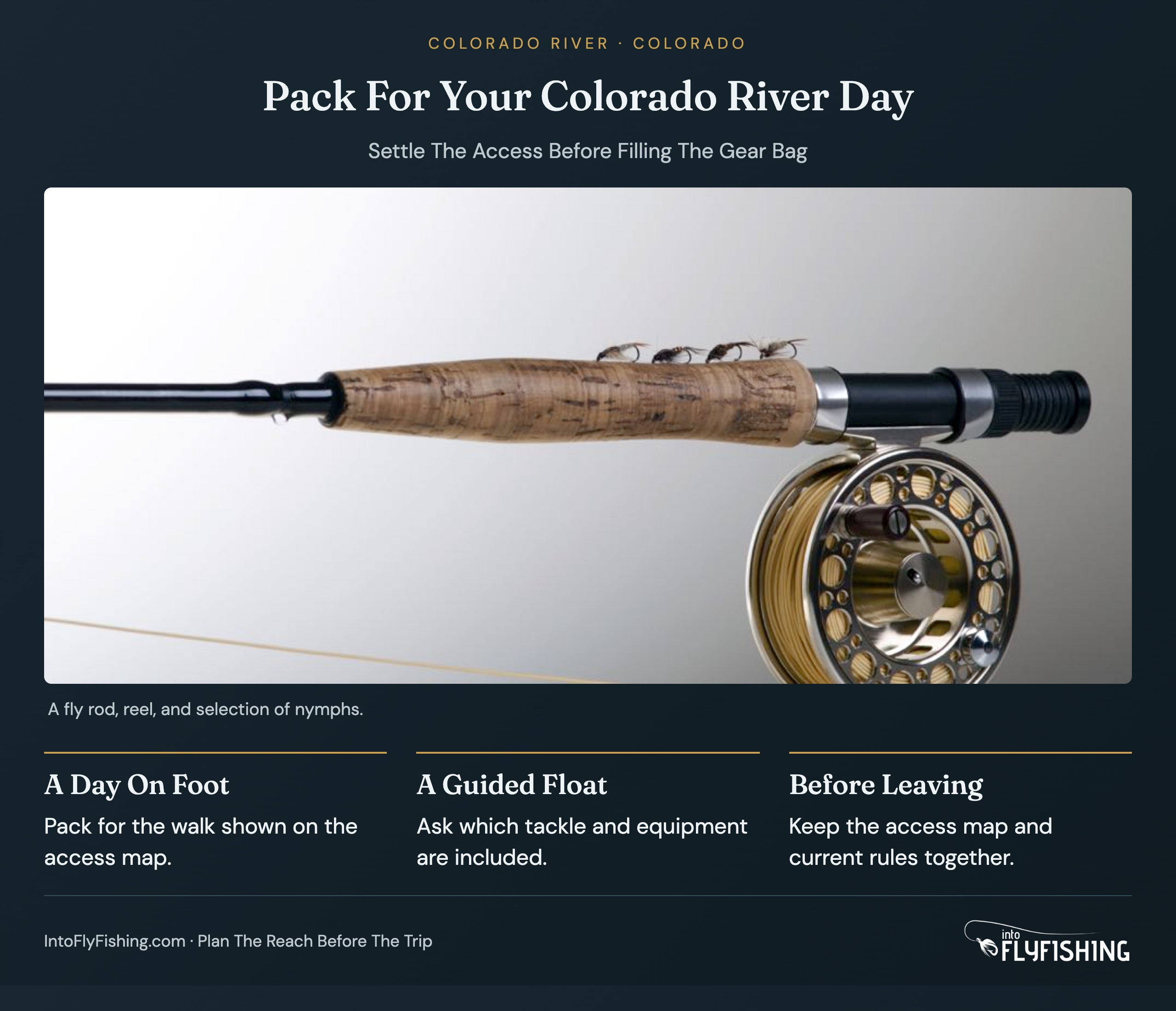
For a guided float, ask the outfitter what tackle and other equipment are included before packing duplicates. Confirm the meeting point and return arrangements in the same conversation. I’d rather have those details settled before arriving at Pumphouse with a car full of gear.
Colorado River Fly Fishing Questions
The decisions below come up when choosing between a day around Parshall and a trip from Pumphouse. I’d settle the access and fishing rules first, then decide which flies to take.

You can keep the plan fairly simple once the reach is chosen. These answers cover the main differences without treating the entire river as one stretch of water.
Start with the public fishing units around Parshall or the trails from Pumphouse Recreation Area. Check the property map and current conditions for your chosen access. Public access does not guarantee that the water will suit wading on the day you visit.
The reach from the US 40 bridge approximately three miles west of Hot Sulphur Springs downstream to Troublesome Creek requires artificial flies and lures, with immediate release of all trout. Different limits apply on neighboring reaches. Read the current CPW entry for the water you plan to fish.
No. Pumphouse has public trails that provide bank and wade-fishing access as well as developed boat launches. For a float trip, confirm the route, take-out, and shuttle before launching.
Pheasant Tail nymphs, Zebra Midges, and RS2s are useful patterns to compare with current Colorado River reports. Check the report for Parshall or Pumphouse before choosing sizes and colors. Watch for feeding fish before deciding whether to change to a dry fly.
Give Yourself Time To Fish One Stretch
With one day on the Colorado, I’d choose a public access around Parshall and leave time to work through the water on foot. I’d carry a compact selection of nymphs and change the plan if the conditions or fish activity called for it. Trying several distant access areas would leave less time with a fly in the water.
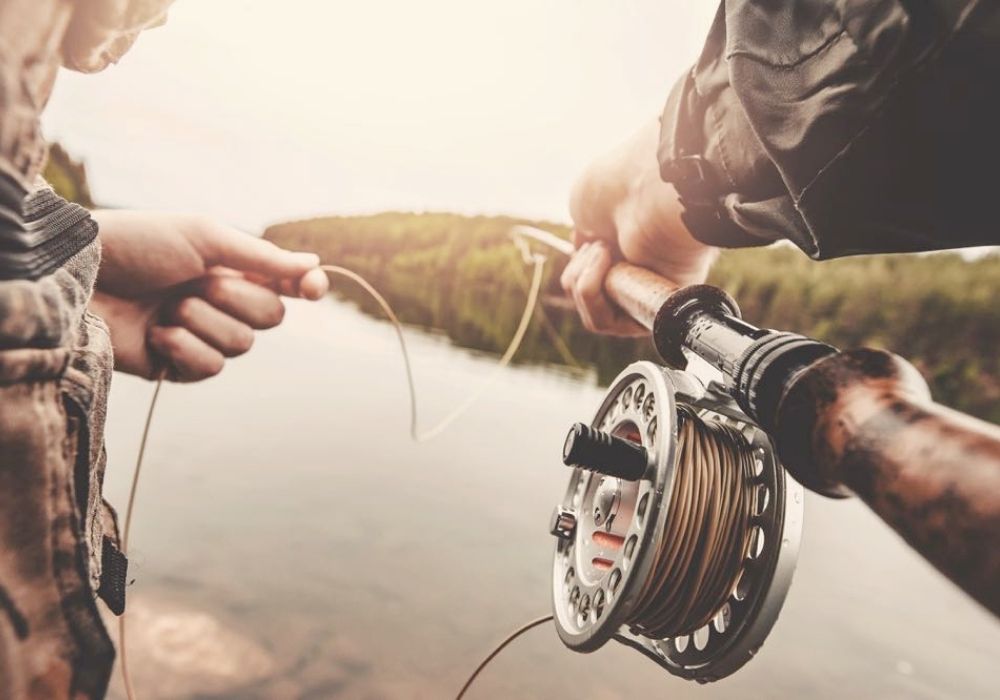
For a float, I’d make Pumphouse the starting point for a conversation with an outfitter and agree on the whole route. Once you have the access, conditions, and regulations sorted out, you can concentrate on the fishing. If the Colorado doesn’t fit this trip, use our U.S. river guide to start planning elsewhere.
Save This Fishing Guide For Later


Amazon and the Amazon logo are trademarks of Amazon.com, Inc, or its affiliates.
As a part of the Amazon Associates Program and other affiliate programs, Into Fly Fishing® may receive a comission if you order products through links on this website.