As an Amazon Associate I earn from qualifying purchases.
San Miguel River fly fishing is a good reason to leave a little space in your Telluride itinerary. This free-flowing river has several public places to walk in and fish, with brown and rainbow trout as the main targets and cutthroat farther upstream.
I’ve fished Colorado on winter and summer trips, from rushing rivers to quieter streams and lakes. For the San Miguel, I’d start with the stretch you can legally reach and the water conditions on the day. Both decisions will matter more than bringing a huge collection of flies.
This guide concentrates on a practical walk-and-wade trip in the Telluride and Placerville area. If you are still deciding where to spend your fishing days, our Colorado river guide lets you compare the other rivers before committing to this part of the state.
Quick Answer: For San Miguel River fly fishing, plan a walk-and-wade outing in the Telluride and Placerville area. Research Applebaugh or Down Valley Park access, bring caddis dries and Pheasant Tail nymphs, and check the Placerville gauge. Time the trip around runoff, weather, and the current rules for your chosen property.
Other Rivers In Colorado
- Arkansas River
- Animas River
- Rio Grande
- Frying Pan River
- Eagle River
- Taylor River
- Roaring Fork River
- Yampa River
- Cache La Poudre River
- Gunnison River
Find Your Starting Point Between Telluride And Placerville
The San Miguel is a freestone river, meaning its flow follows the weather and snowmelt rather than releases from a reservoir above the fishery. Public walk-in opportunities make it possible to plan a day on foot. They do not mean that every piece of bank you see from the road is an entrance.
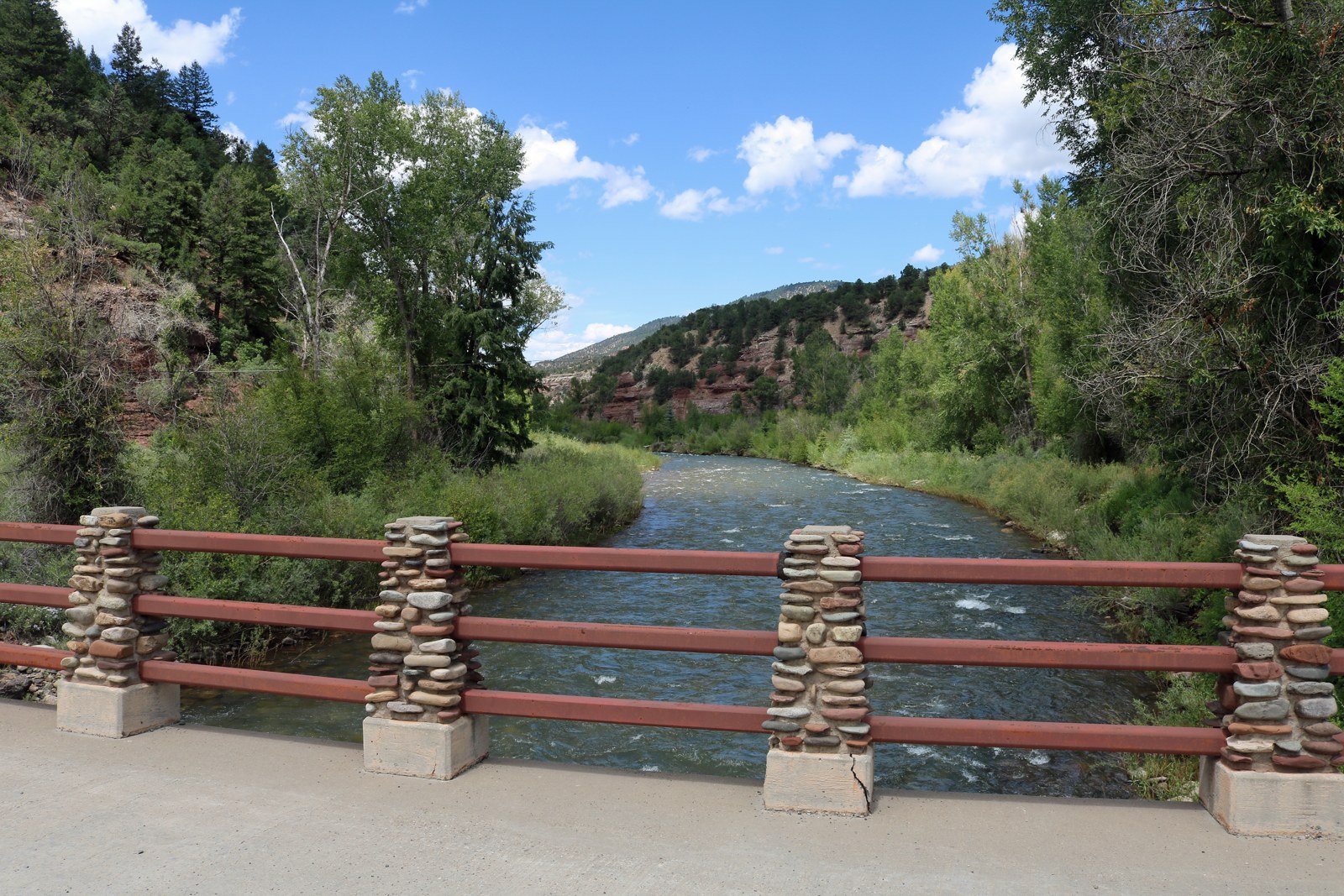
Choose a named public property before leaving town, save its access information, and locate the signs when you arrive. I would rather spend time working through one accessible stretch than lose the morning driving between roadside pullouts with uncertain boundaries. Keep the route back to your vehicle in mind as you move.
Choose A Managed Access Point
The San Miguel State Wildlife Area, also called the Applebaugh fishing easement, is one place to research through Colorado Parks and Wildlife. CPW requires everyone age 16 or older to have a valid hunting or fishing license or an SWA pass to enter this property.
That credential is for entry to the property. Check CPW’s current fishing-license requirements separately before you fish, and use the posted access points and boundaries when you get there. Save the official property page to help you locate the easement.
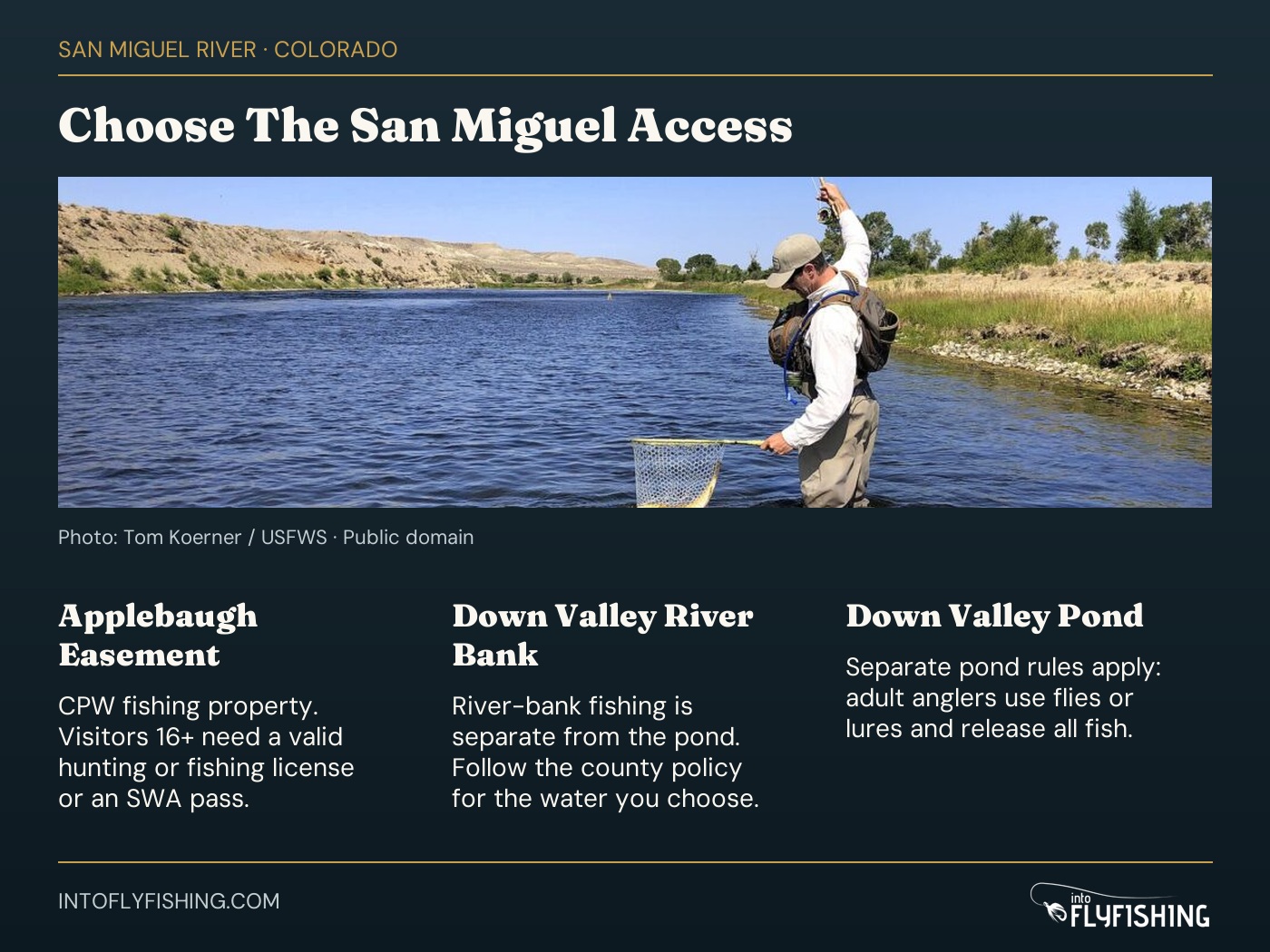
Another option is Down Valley Park, which has access to the river bank and a separate pond. This distinction matters when you read the rules: a plan to fish the pond is different from a plan to fish the moving water beside the park.
San Miguel County’s park policy requires adults fishing the pond to use flies or lures and release all fish. Along the river bank, the county encourages catch-and-release. The mandatory adult pond rule should not be carried over and described as a regulation for the entire San Miguel.
Match The Outing To Your Group
For a short outing, choose one of these properties and give yourself time to understand it. With a new angler, I would make an unhurried introduction the aim: find the permitted entrance, look at the current, assemble one rig, and make a few controlled casts. There is no need to turn that first session into a tour of every access point.
Our fly-casting guide is worth reading before the trip if casting is new to you. A few practice sessions at home will leave more of your river time for watching the fly and deciding where to put the next cast.
If you are traveling farther around Colorado, use the separate Animas River and Gunnison River guides to plan those days on their own terms. A good access plan on one river does not establish where you can enter another.
Let Snowmelt And The Forecast Set The Plan
Runoff is the main seasonal interruption to plan around. The usual walk-and-wade window resumes after the spring high water and continues through summer into early fall, but the transition depends on snowpack and weather. I would keep the date flexible rather than treating the first day of a particular month as the start of good fishing.
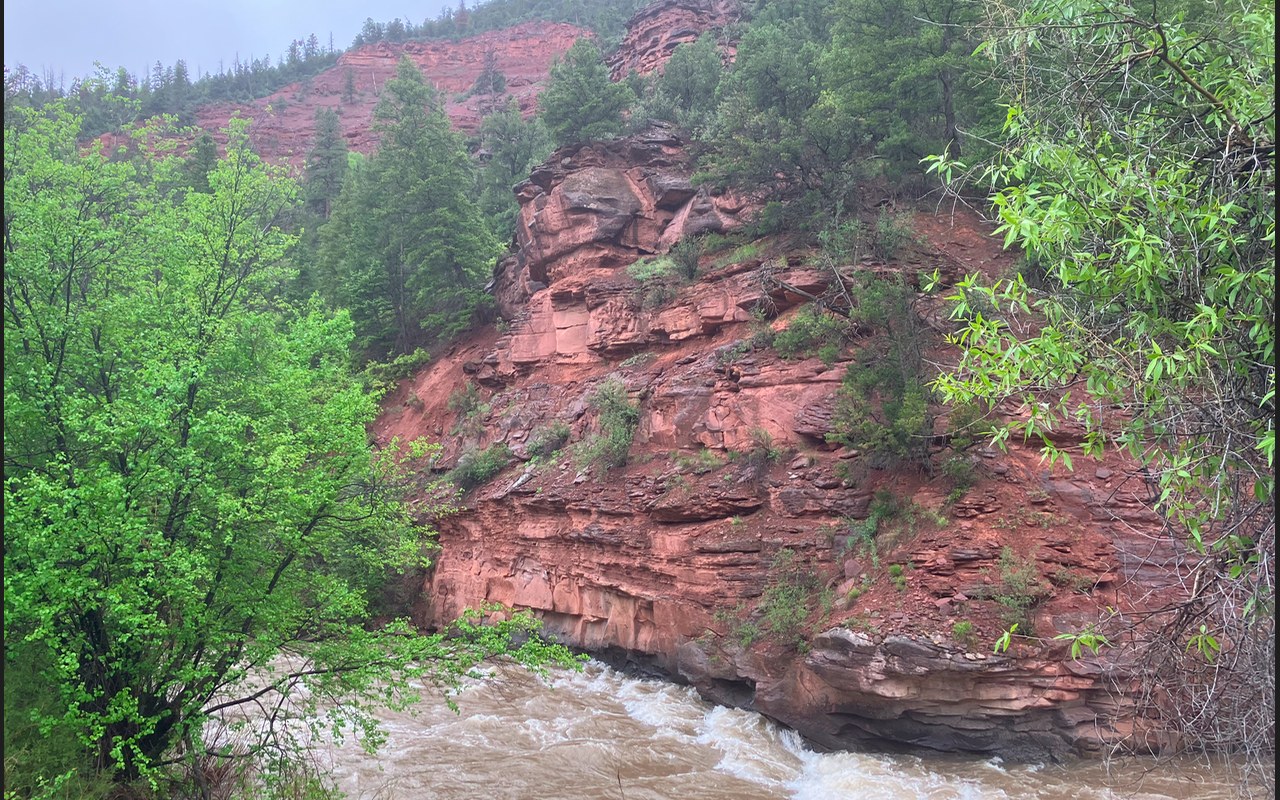
For a trip booked well ahead, choose a broad season and leave yourself a second plan for the fishing day. Then review the river conditions closer to departure. A summer reservation in Telluride is a fixed date; the end of runoff is something you still need to establish.
Read The Placerville Gauge
The USGS San Miguel River near Placerville gauge is station 09172500. Colorado’s water-monitoring system identifies the same station as SMGPLACO. Save that exact station, so a search for nearby water does not lead you to a reading from a different drainage.
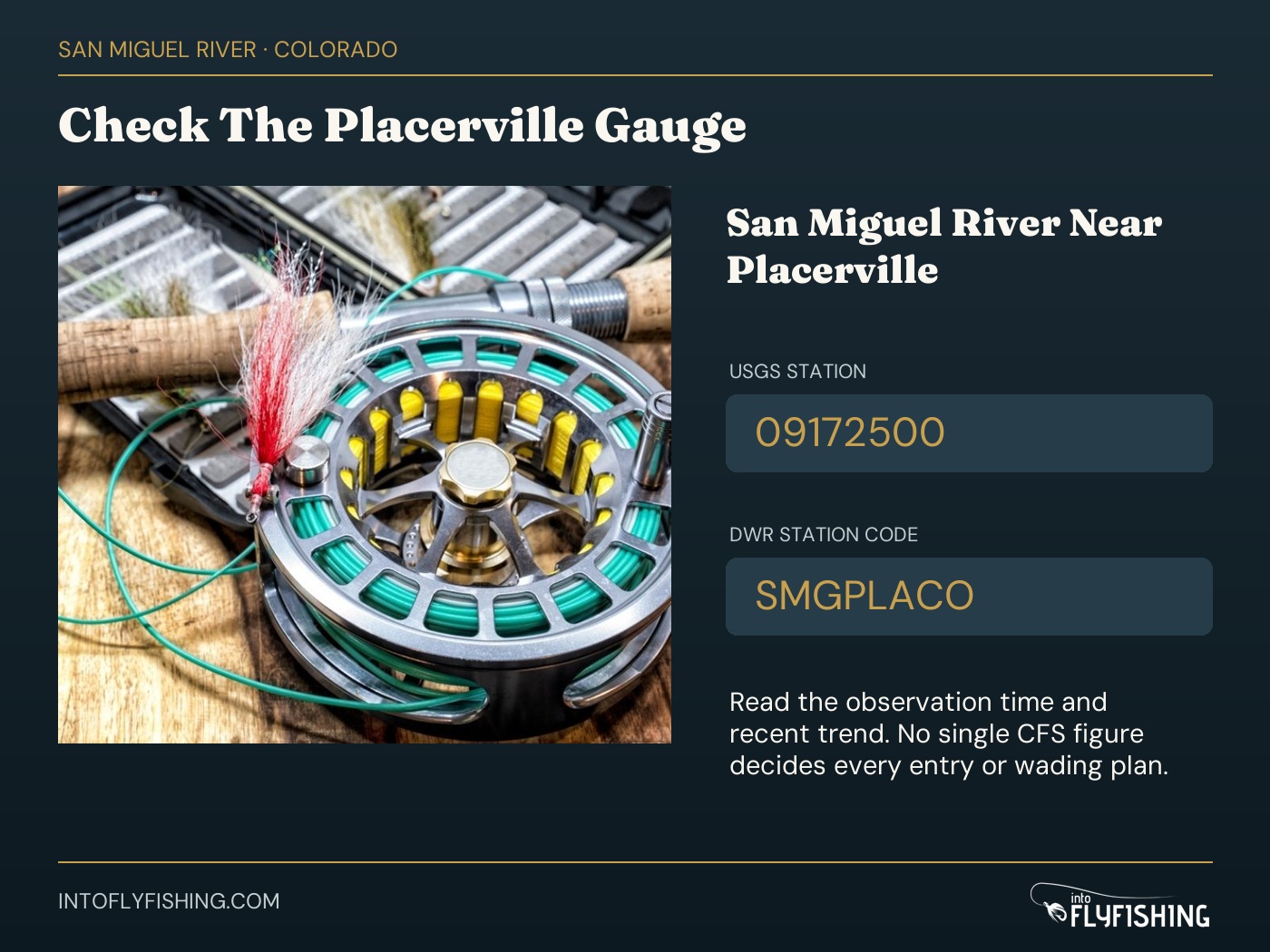
Look at the time of the latest observation and how the flow has changed, then compare that information with what you see at your chosen entrance. The gauge gives you context for the river near Placerville. It cannot tell you how secure your footing will be at a particular crossing or whether a smaller upstream section is suitable for you.
Check CPW’s fishing information and current closure notices before the outing, too. Leave room to change the plan if the water, weather, or posted restrictions make the chosen stretch unsuitable. Buying gear or driving to the river does not oblige you to get in.
Choose A Season For The Fishing You Want
For summer fishing, the useful question is whether runoff has settled enough for the outing you have in mind. Through fall, keep small blue-winged olive dries and nymphs in the box. Surface activity can give you a reason to switch to a dry; when it does not, nymphing remains an option.
Use a recent San Miguel fishing report alongside the gauge when you make the final decision. Check the report’s date and the stretch it describes. A useful account of yesterday’s fishing is still a starting point for your own day, rather than a promise of the same hatch.
Pack For Short Drifts And Changing Weather
A four-weight rod and floating line make a practical starting combination for this river. Keep the tackle choice manageable, particularly if you will be moving between pockets of water on foot. Our trout fly rod guide explains the rod choices in more detail if you are putting together a first outfit.
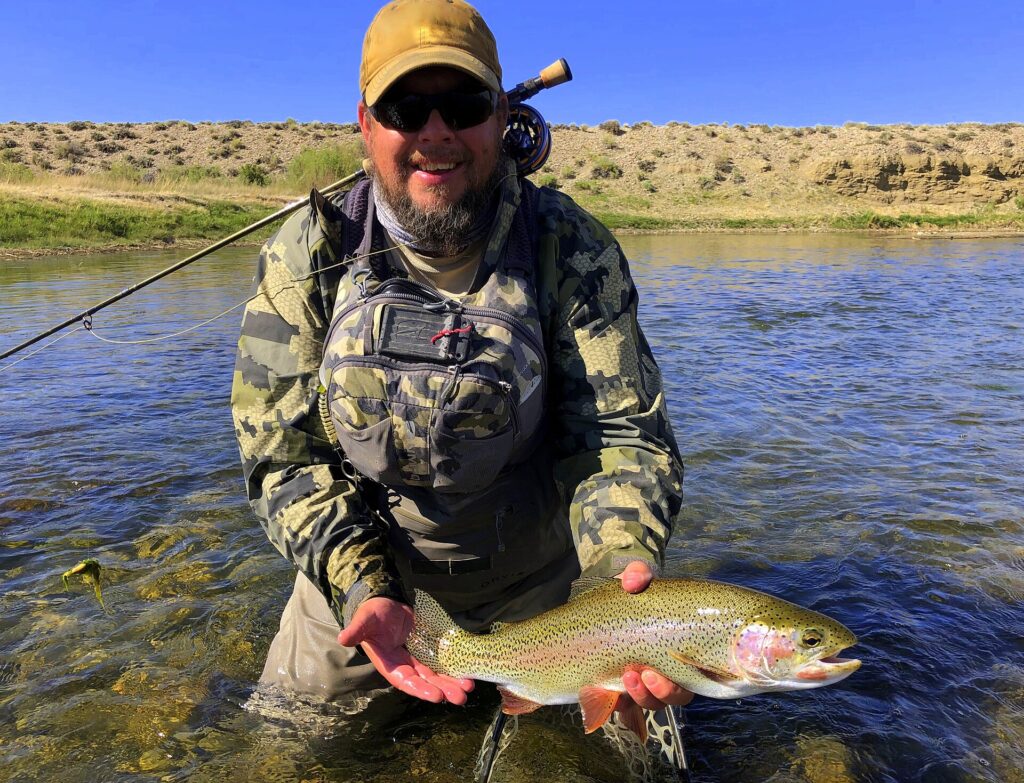
I would pack the flies by job: dry flies for the surface, nymphs for fishing below it, and a few replacements for each. That makes it easier to decide what to change while standing beside the water. Brown and rainbow trout are the main targets through much of this fishery, with cutthroat in the higher water.
Start With Caddis Dries And Pheasant Tails
Caddis, stoneflies, mayflies, and midges all belong in your thinking here. For a compact starting selection, pack caddis dries such as an Elk Hair Caddis in sizes 14 to 18, plus Pheasant Tail nymphs in sizes 16 to 18. These give you a surface option and a subsurface option without turning the packing list into a catalog.
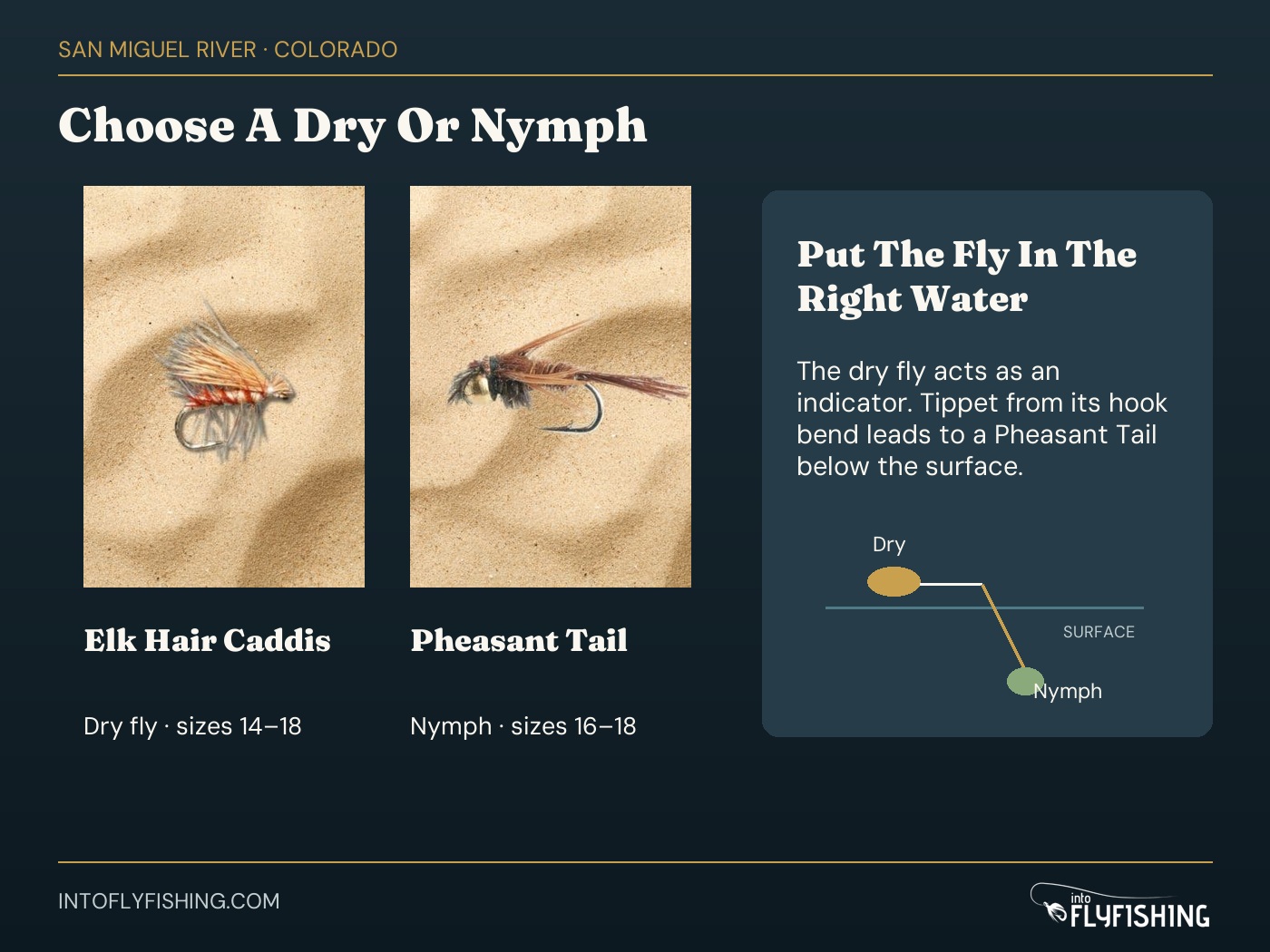
Add small BWO dries for a fall trip, and leave enough room to replace the patterns you lose. I would take a few copies of the flies I expect to use instead of one of every pattern in the shop. That is an easier box to work from when you want to get a similar fly back on quickly.
A small box such as the SF Slim Fly Box is one option for organizing that selection. Before buying, compare the space you need with the flies you actually carry. Our fly box guide covers other formats if you want a different arrangement.
Fish A Dry-Dropper Or Switch To Nymphs
A dry-dropper is a useful searching rig on the San Miguel. Tie on a floating dry, attach a length of tippet to the bend of its hook, and tie the nymph to the free end. The dry serves as your indicator while the nymph fishes underneath it.
Watch how the complete rig behaves before deciding to keep fishing it. The dry has to remain visible and afloat for that setup to do its job. If surface fishing is quiet, a nymph rig is another way to work the water; high-sticking is particularly relevant to the river’s pocketwater.
High-sticking means holding the rod high to control the drift at close range. For a beginner, I would start with a manageable cast and concentrate on following the fly through one piece of water. Our trout fly fishing tips give you more detail on presentation when you are ready to work on the technique.
Carry spare tippet so a broken or shortened dropper does not end that approach for the day. The SF 3X to 5X fluorocarbon tippet combo is an option for replenishing nymph and dropper tippet. Choose the diameter for your actual rig; buying an assortment does not mean every spool suits every fly.
Keep The Wading Kit Practical
Decide what you need for the conditions and the amount of time you intend to spend in the water. Fit and comfortable movement deserve attention before a trip. Our fly fishing wader guide is a useful comparison if your current pair needs replacing, and the Frogg Toggs Canyon II stockingfoot waders are one product to consider.
Waders are clothing, not a reason to cross unfamiliar current. Stay within what you can manage and use the accessible bank when that is the better choice. For a half day, I would also keep the essentials together before leaving town: license, saved access details, fly box, spare tippet, and the clothing the forecast calls for.
San Miguel River Fly Fishing FAQs
Public walk-and-wade options lie in the Telluride and Placerville area. Research the Applebaugh fishing easement through CPW and the river-bank access at Down Valley Park through San Miguel County, then follow the current property rules and posted boundaries.
Caddis dries in sizes 14 to 18 and Pheasant Tail nymphs in sizes 16 to 18 make a practical starting selection. Dry-dropper rigs and nymphing are useful approaches. Small BWO dries and nymphs are options for fall fishing.
The main walk-and-wade window resumes after spring runoff and continues through summer into early fall. Snowpack and weather affect that transition, so use current conditions rather than a fixed calendar date to settle the day’s plan.
San Miguel County requires adults fishing the pond to use flies or lures and release all fish. Along the river bank, catch-and-release is encouraged. Keep these two parts of the park and their rules separate when planning your visit.
Make The Most Of A Half Day On The San Miguel
Give the day a simple shape. Choose your public entrance first, check the current information, and arrive with a dry-fly option and a nymph option ready to assemble. Spend a little time watching the water before deciding which to use. You will get more from the outing if the basic travel and access questions are already settled.
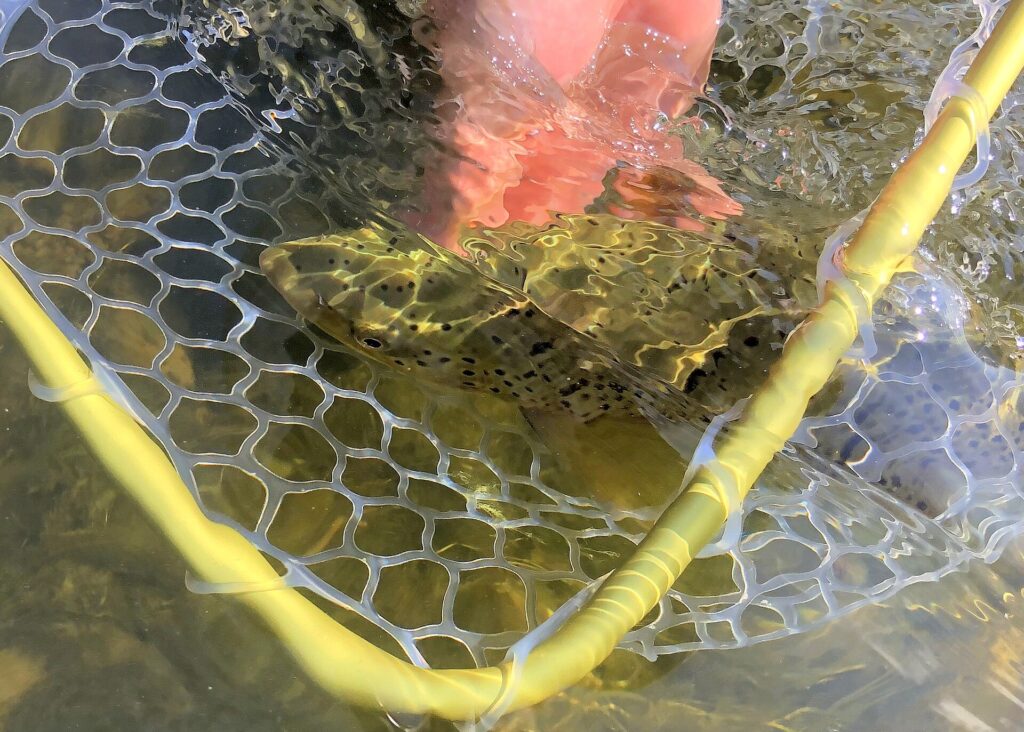
Then let the session develop from there. If you are learning, a handful of controlled drifts and a better understanding of the rig are worthwhile progress. If you already fish regularly, give yourself time to work through the public stretch instead of constantly wondering whether the next pullout will be better.
For a longer visit, our Colorado fly fishing guide puts this trip alongside the state’s other fishing options. If Colorado is one stop on a bigger journey, the US fly fishing rivers guide leads into the state directories and their individual river guides. Start with the region you want to visit, then use the river articles to plan the fishing days.
Featured photo: San Miguel River in Telluride, Colorado. Photo: NatalieZavaleta, CC BY-SA 4.0. Resized.
Save This Fishing Guide For Later


Pin photos: NatalieZavaleta, CC BY-SA 4.0, and Jeffrey Beall, CC BY 4.0. Photos cropped with text added. The first pin is licensed under CC BY-SA 4.0.
Amazon and the Amazon logo are trademarks of Amazon.com, Inc, or its affiliates.
As a part of the Amazon Associates Program and other affiliate programs, Into Fly Fishing® may receive a comission if you order products through links on this website.