As an Amazon Associate I earn from qualifying purchases.
The upper Elk River along Seedhouse Road is the place to begin looking for public forest water near Clark. Brown and rainbow trout are part of this Colorado fishery, and the upper drainage gives you a reason to carry attractor dries as well as nymphs.
I’ve brought my fly rod on winter trips to Colorado and returned for summer visits as well. For an Elk River outing, my first choice would be the upper forest water, with enough time to fish a short stretch carefully before moving on.
Our Colorado river directory helps you compare nearby trips, while the broader Colorado fly fishing guide covers planning across the state. For a longer trip, browse the US fly fishing river directory.
Quick Answer: For Elk River fly fishing in Colorado, focus on public forest water along Seedhouse Road near Clark. Attractor dries and pocket-water nymphing are options in the upper drainage. CPW currently requests a full-day voluntary fishing closure from Christina SWA downstream to the Yampa confluence; leave that reach unfished while the request remains.
Other Rivers In Colorado
- Gunnison River
- Cache La Poudre River
- Yampa River
- Roaring Fork River
- Taylor River
- Eagle River
- Frying Pan River
- Rio Grande In Colorado
- Arkansas River
- Animas River
- Colorado River
- South Platte River
Start With The Upper Elk Along Seedhouse Road
The upper Elk has public fishing water in the national forest along Seedhouse Road. Make that forest section the focus of your access plan, and identify the public boundary for the spot you intend to fish. A road beside the river is useful for orientation; use the land boundaries to choose an entry.
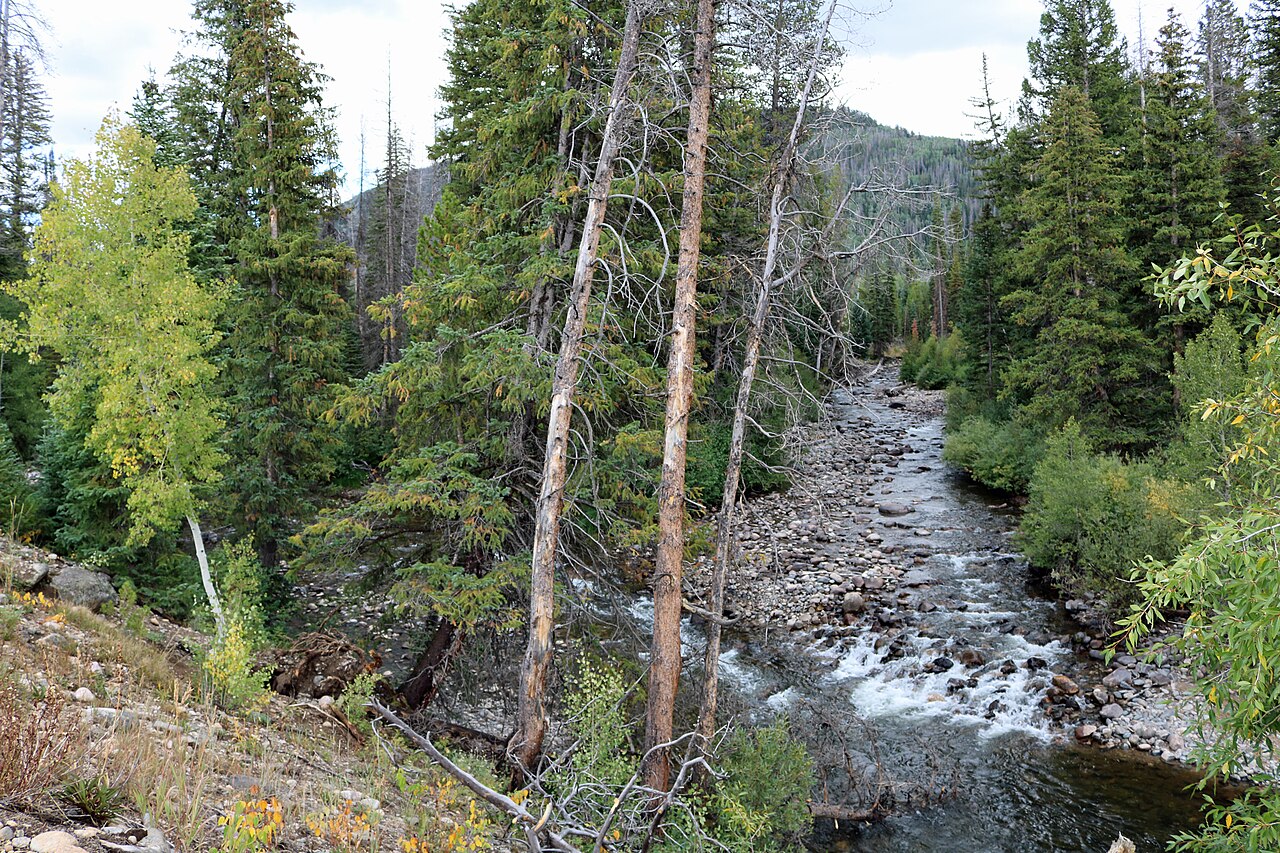
From Steamboat Springs, follow County Road 129 toward Clark, then turn onto Seedhouse Road, also called County Road 64. The official Seedhouse Campground directions provide a useful route reference. Choose the public stretch before driving farther into the upper drainage.
For a short session, choose one public forest stretch and allow time to change rigs there. With a longer day, identify a second public stretch to explore after fishing the first. Build that extra time around fishing and observing the water, instead of a long list of stops.
For a wading outfit, the Frogg Toggs Canyon II stockingfoot waders are one option to compare for fit and layering. Choose clothing for the weather and keep the gear you carry down to what you expect to use.
Keep The Current Lower-River Request In Your Plan
Christina State Wildlife Area is a public access on the Elk. It is also the upstream endpoint of CPW’s current full-day voluntary fishing closure, which extends downstream to the Yampa River confluence.
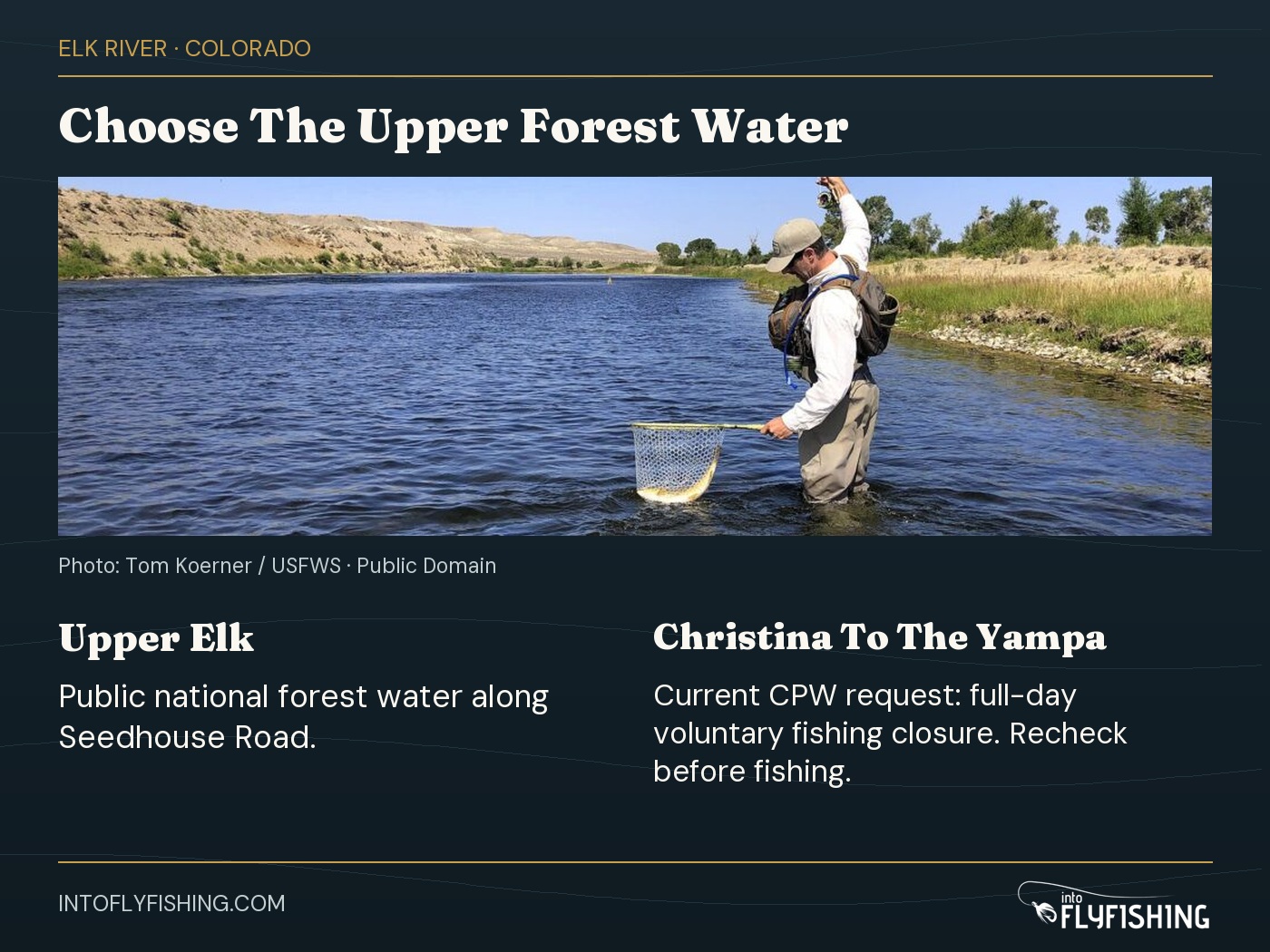
Leave that affected reach unfished while CPW’s request remains in place. Check the current CPW fishing notices before the trip for any change to its status or extent. Keep the upper forest-water plan separate, and review the rules and notices for your selected reach.
Fish The Pockets With Dries And Nymphs
An attractor dry is one option in the upper Elk drainage. A Stimulator is a specific pattern to include in that selection. Carry stonefly patterns as another part of the fly box, then compare the flies with the insects and activity you can actually see at the river.
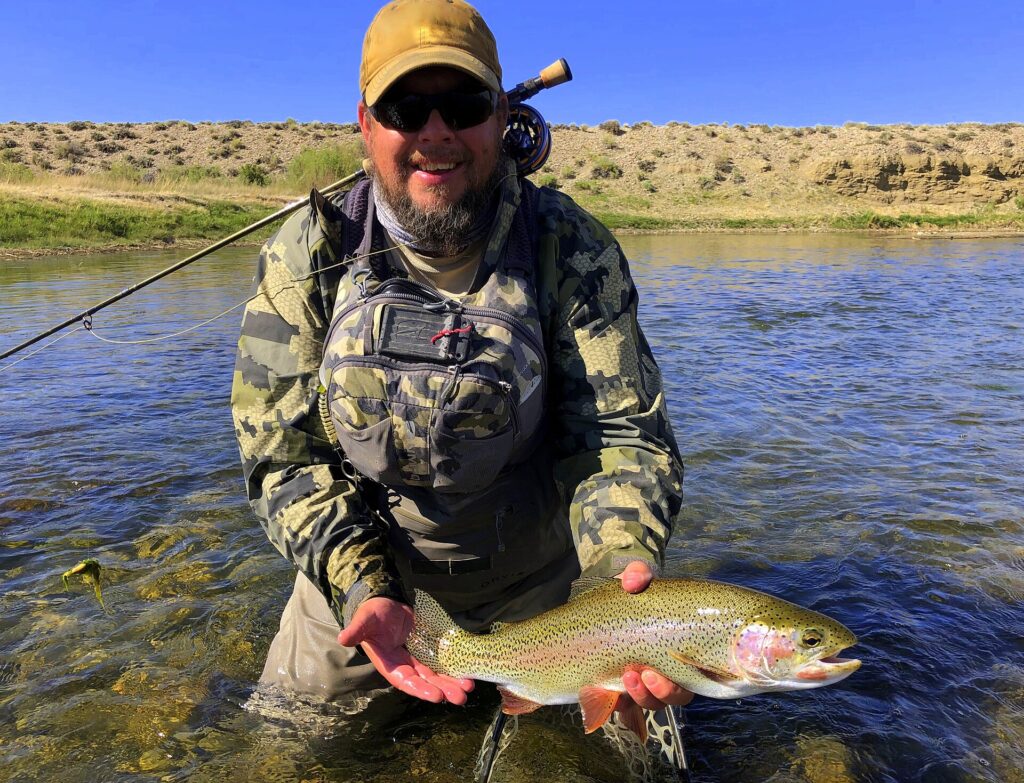
On the upper Elk along Seedhouse Road, nymphing the pocket water around large rocks gives you another approach. Look at each pocket separately and choose a casting position from which you can follow the fly’s path. Start with reachable water and build the session around that, without trying to cover every pocket at once.
When you switch to fishing a nymph near the bottom, adjust its weight for that water. Repeated bottom hangups are a reason to reduce the weight and try again. Make the adjustment before working through the next pocket, and give yourself time to see what changes.
Keep your nymphs easy to find when you switch from fishing a dry. The SF slim fly box is an option for organizing that selection. Check its clearance against the flies you intend to carry, especially if you also want to store taller dry patterns.
Balance A Dry And Dropper
A dry-dropper lets you put a nymph below a floating dry. Tie a length of tippet to the bend of the dry-fly hook and attach the nymph to its free end. The dry acts as the indicator. Dry-dropper rigs and nymphs are both established methods on the Elk.
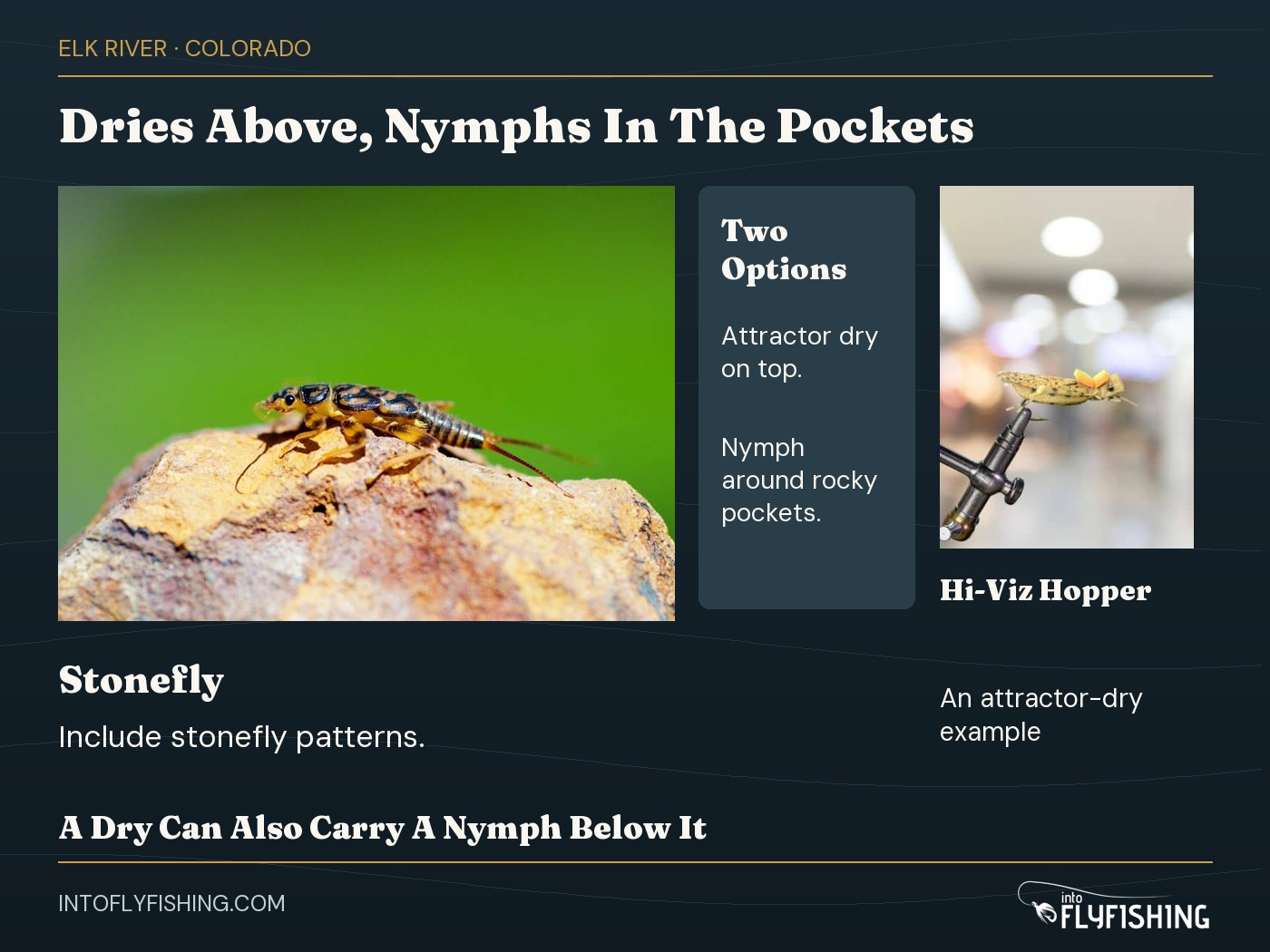
If the nymph pulls the dry under, try a lighter nymph or a more buoyant dry. Check the rig close to you after the change. Seeing whether the dry stays afloat is more useful than repeatedly casting a combination that sinks immediately.
The SF fluorocarbon tippet combo provides several sizes for the nymph connection. Choose the size for your flies and setup. Keep enough spare tippet available to rebuild the rig if the connection tangles or breaks.
If you are choosing a rod for this style of trout fishing, our trout fly rod guide explains the options to compare. For practice with your assembled outfit, use the basic motions in our fly casting guide.
Read The Lower Gauge In Context
July through October is a useful general window for planning Elk River fishing. Treat those months as a starting point for choosing dates, then check the current notices for the reach you want. The ongoing lower-river request still matters within that ordinary fishing season.

The active mainstem station is USGS 09242500, Elk River near Milner. Colorado DWR lists it as ELKMILCO. It describes the lower river; it is not an upper Seedhouse reading.
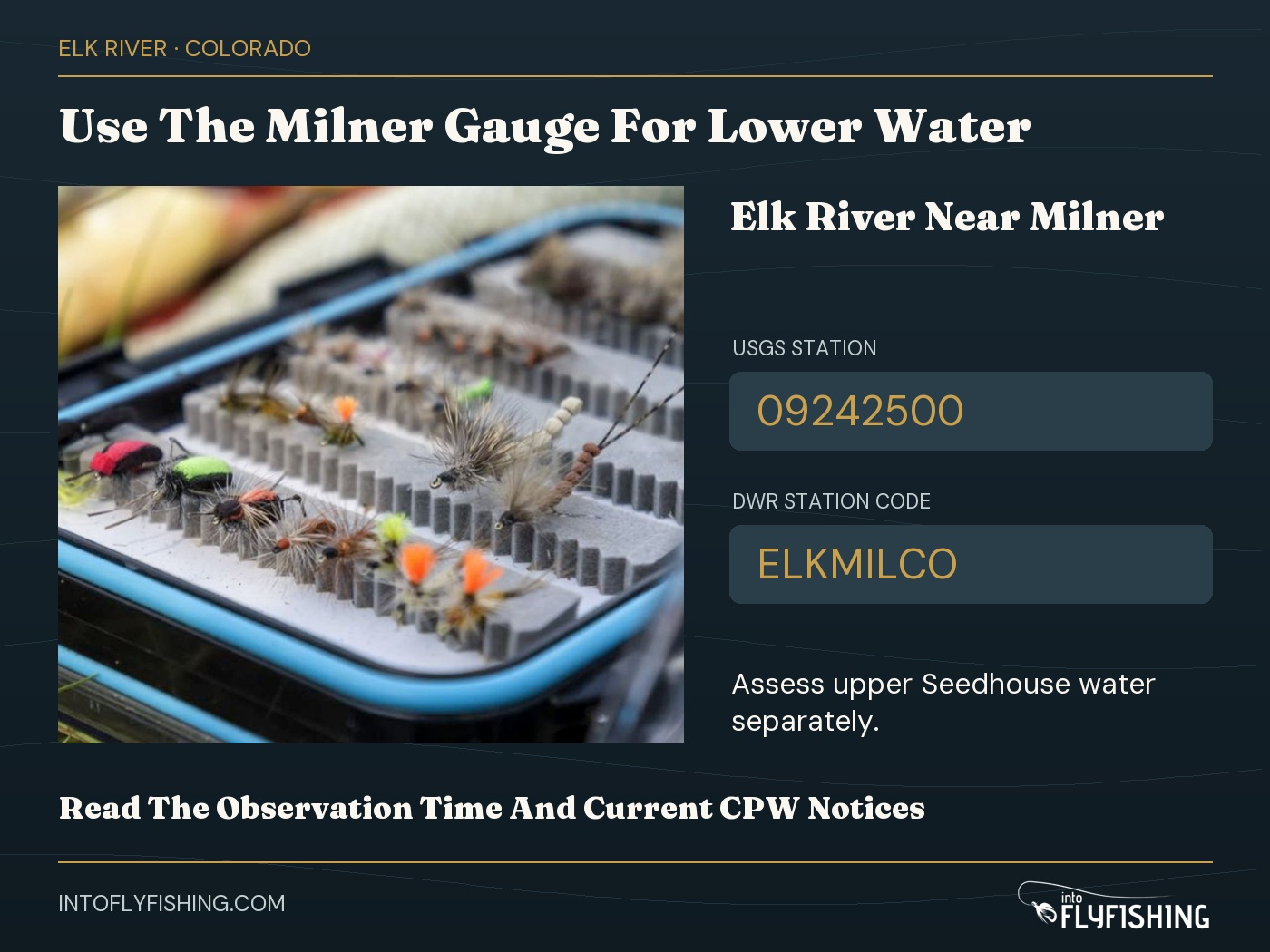
Read the station name and observation time before using the graph. Look at the recent direction of change, then assess your upper fishing location separately. Leave room in your plan to change the outing when the conditions at that location differ from what you expected.
Keep the flow lookup and the closure lookup as two separate steps. CPW’s current request determines the recommendation to leave the Christina-to-Yampa reach alone. A new number on the Milner graph is no reason to assume that request has ended.
Elk River Fishing Questions
The upper Elk along Seedhouse Road has public fishing water in the national forest. Reach the area via County Road 129 toward Clark and then Seedhouse Road, also called County Road 64. Identify the public boundary at your chosen entry.
CPW currently lists a full-day voluntary fishing closure from Christina State Wildlife Area downstream to the Yampa River confluence. Leave that affected reach unfished while the request remains in place, and check the current notice before your trip.
Attractor dries, including a Stimulator, are options in the upper drainage. Include stonefly patterns and nymphs, with nymphing as an option for pocket water around large rocks. Choose the actual fly from what you observe at the water.
USGS 09242500 and Colorado DWR ELKMILCO identify the active station near Milner. It is a lower-river gauge, so assess the upper Seedhouse water separately and check CPW notices as well as the flow record.
A Fishing Day Near Clark
For a day near Clark, I would choose a public forest stretch along Seedhouse Road and carry a few attractor dries, nymphs, and spare tippet. Start with the water close enough to inspect and fish carefully. If a dry is the first choice, keep the nymph option ready for the pockets around the rocks.
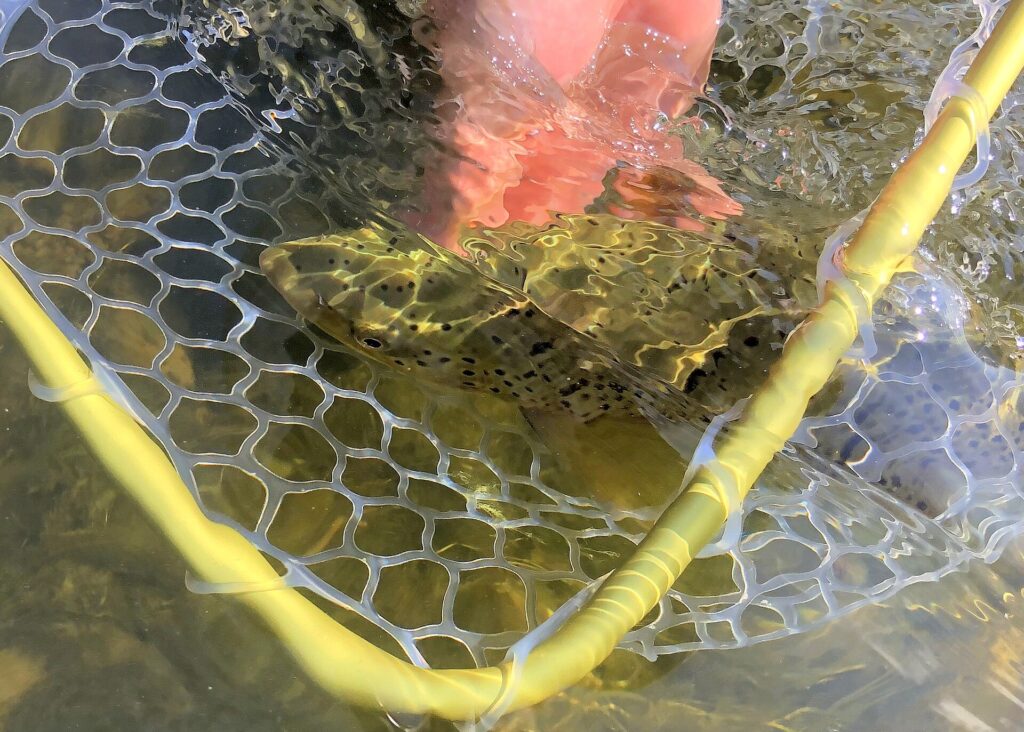
That gives the day a specific fishing focus without turning it into a tour of every access. Take time to adjust the rig and watch what the flies do after each change. Keep the lower-river voluntary closure in the plan, and use the current notice when deciding whether that reach belongs on a future outing.
Featured photo: Jeffrey Beall / CC BY 4.0.
Save This Fishing Guide For Later


Pin photos: Elk River and South Fork confluence, Jeffrey Beall / CC BY 4.0. Cropped with text added.
Amazon and the Amazon logo are trademarks of Amazon.com, Inc, or its affiliates.
As a part of the Amazon Associates Program and other affiliate programs, Into Fly Fishing® may receive a comission if you order products through links on this website.