As an Amazon Associate I earn from qualifying purchases.
Alaska River Guide
Fly Fishing Rivers
In Alaska
Choose your water, compare the fishing, and plan a trip across 35 Alaska rivers and creeks.
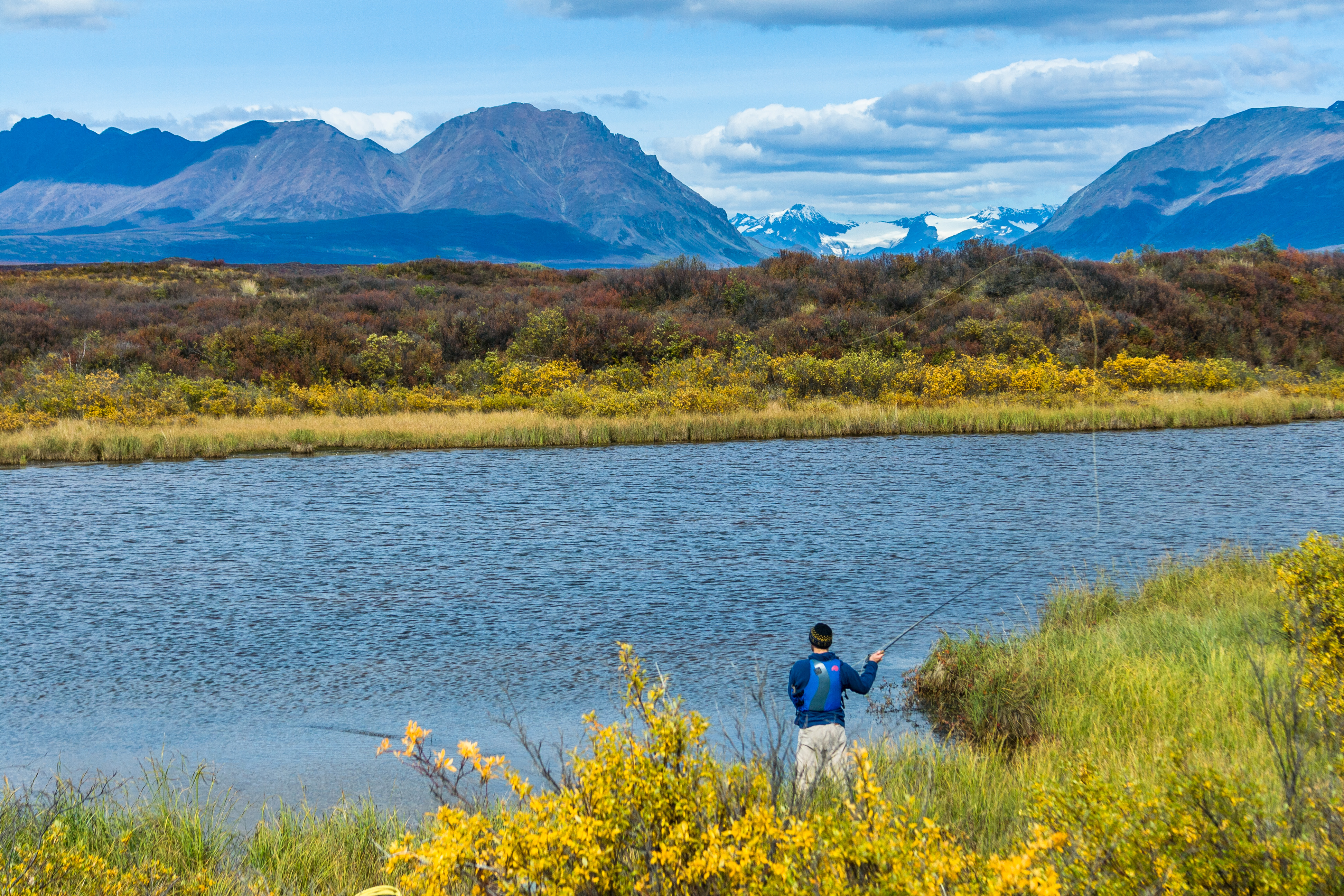
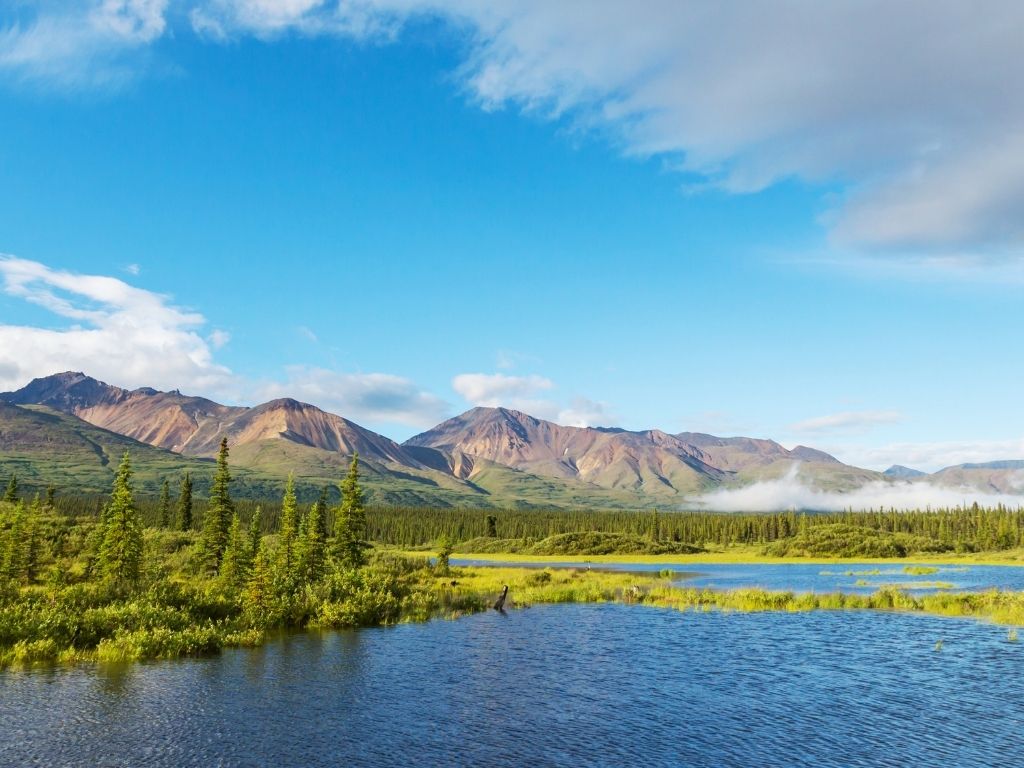
Tangle Lakes, Alaska. Photo: Craig McCaa / BLM Alaska.
I spent four years living and guiding in different parts of Alaska. I’d begin planning a fishing trip here with the fish you want to catch and how you want to travel. Decide how much of your trip you want to spend fishing before comparing a day out with a guide, a lodge stay, or a remote float.
This guide covers 35 rivers and creeks across Alaska. I’ve arranged them by region so you can start with the area you plan to visit, then compare access, timing, and the fishing itself. For lakes and wider travel planning, read our Alaska fly fishing guide.
Other Rivers In Alaska
Choose An Alaska River Region
Use this comparison to narrow the list, then jump to the rivers that fit your plans.
Region
Consider It For
Plan Around
A choice between developed access and remote floats.
Start with Willow for a road approach, or investigate the boating demands of Lake Creek.
Rainbow trout, lodge stays, and fly-out fishing.
Compare a Kvichak flight with the home-river arrangement at Kulik Lodge.
Grayling, Copper Basin choices, and Kobuk sheefish.
Begin with Chena road access, Delta Clearwater boat fishing, or a specific Kobuk target.
Kenai Peninsula
Kenai River
The Kenai belongs near the top of your shortlist if rainbow trout are the main reason for your Alaska trip. It has a substantial resident trout fishery alongside its salmon runs. Bank access and boat trips give you more than one way to fish it, but choosing the river section is the first useful step.
Choose Your River Section
Think about the river in sections. The upper Kenai runs from Kenai Lake to Skilak Lake, with the Sterling Highway giving bank anglers access along part of the route. Cooper Landing has a boat launch beside the highway bridge. The middle river begins below Skilak Lake and continues to the bridge in Soldotna.

Choose How To Fish The Kenai
A Day On The Bank
Start with the upper river’s highway access, then choose a specific public fishing spot. Road access alone does not settle where you can park, cross land, or enter the water.
A Guided Float
Ask which launch, takeout, and river section your trip uses. Cooper Landing’s bridge launch is one option on the upper river.
A Longer Float
Treat the canyon below Jim’s Landing as a separate boating decision. Its whitewater calls for more planning than simply extending a fishing day downstream.
For trout, build the fly selection around what the salmon are doing. Eggs become food as salmon spawn; flesh becomes available as fish die and decompose.
Anglers dead-drift egg or bead patterns and flesh flies, with indicator nymphing among the methods used on the Kenai. That connection between the food and presentation is more useful than relying on one favorite pattern all season.
Plan A Trout Day
Late summer and fall are planning seasons for Middle Kenai rainbow fishing associated with the salmon spawn. Choose that section and timing if your priority is trout feeding on eggs and flesh.

Our video gives you a closer look at fly fishing the Kenai. For more detail, read the Kenai River fly-fishing guide alongside your plans for the chosen reach.
Kenai Peninsula
Russian River
The Russian is a good choice when you want to reach a salmon and trout stream on foot from the road system. Near Cooper Landing, the campground provides a starting point for walking to the lower river. Expect a popular fishery, especially around the sockeye runs, and decide whether your day is about salmon or about working upstream for trout.
The two main access choices are a walk from the Russian River Campground or the seasonal ferry across the Kenai near the confluence. Check which route is operating for your dates, then plan the walking distance from there. The ferry crosses the Kenai; it does not carry you up the Russian River.
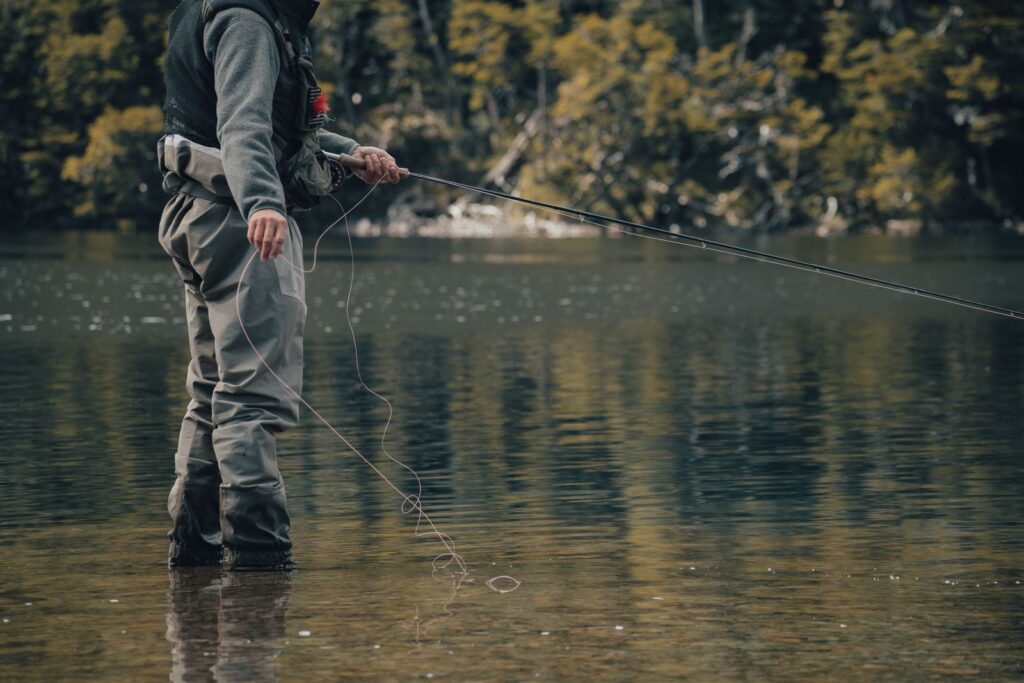
Sockeye arrive in two runs, with an early run in June and another starting in July. Pick the run you intend to fish, then check the current opening dates and reach restrictions.
Choose Salmon Or Trout
For trout, pack dry flies and flesh imitations. Fall is a useful time to consider a trout-focused visit, with enough time to work the smaller water carefully after the walk in.
Our small-stream fly fishing guide is useful preparation if you are moving from broad open rivers to a day spent working smaller water on foot.
For a trip that includes wading, the Frogg Toggs Canyon II stockingfoot waders are one option to compare. The linked listing is a medium, so check the size chart and the room you need for layers before ordering.
Kenai Peninsula
Kasilof River
The Kasilof gives you another Kenai Peninsula option for salmon or steelhead, with a practical choice between bank access and a drift-boat trip. The Kasilof River State Recreation Site has a launch beside the Sterling Highway bridge. Crooked Creek State Recreation Site offers camping and a walk to the area where Crooked Creek joins the Kasilof.
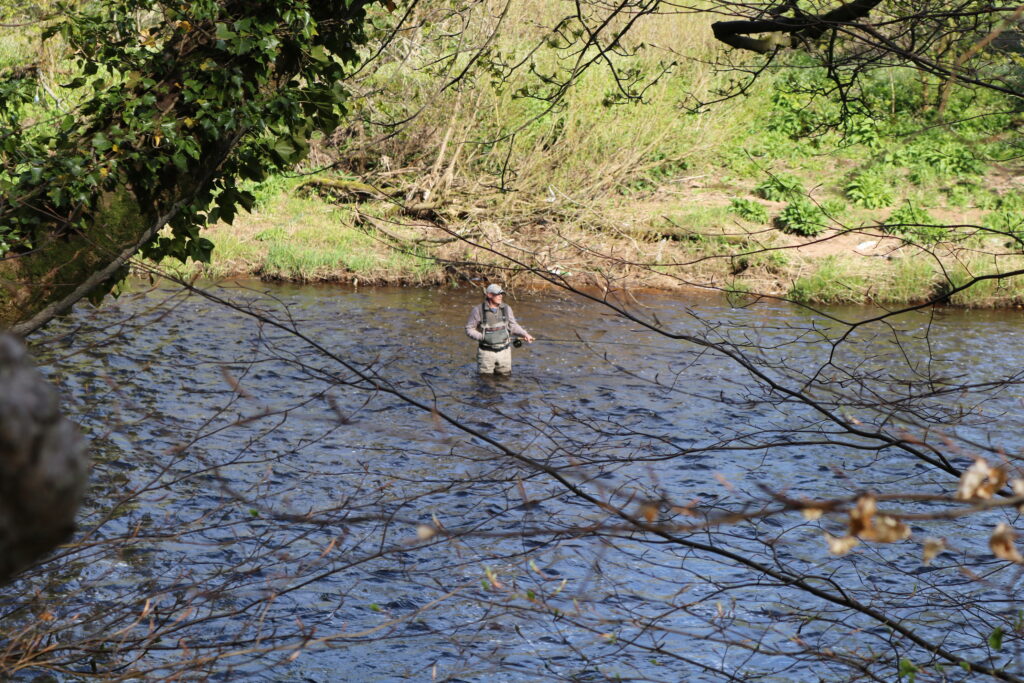
Fall steelhead fishing gives you two different presentations to choose from. Swing a fly across the current with a two-handed rod, or fish an egg imitation beneath an indicator. Drift boats are used to fish between runs, and anglers also stop to fish from the bank.
A day spent swinging runs and a day drifting egg imitations use the same river differently, even when both trips start from a drift boat. Choose the presentation when you arrange the outing. Steelhead must be released.
Keep the water names straight when reading the rules: access to the Kasilof near Crooked Creek does not establish permission to fish Crooked Creek itself.
Kenai Peninsula
Anchor River
The Anchor is a small Kenai Peninsula river to consider for a steelhead trip on foot. Road access and nearby State Parks camping make it a useful alternative to planning a remote flight. It also holds Dolly Varden, although I’d choose the travel dates around the species that matters most to you.
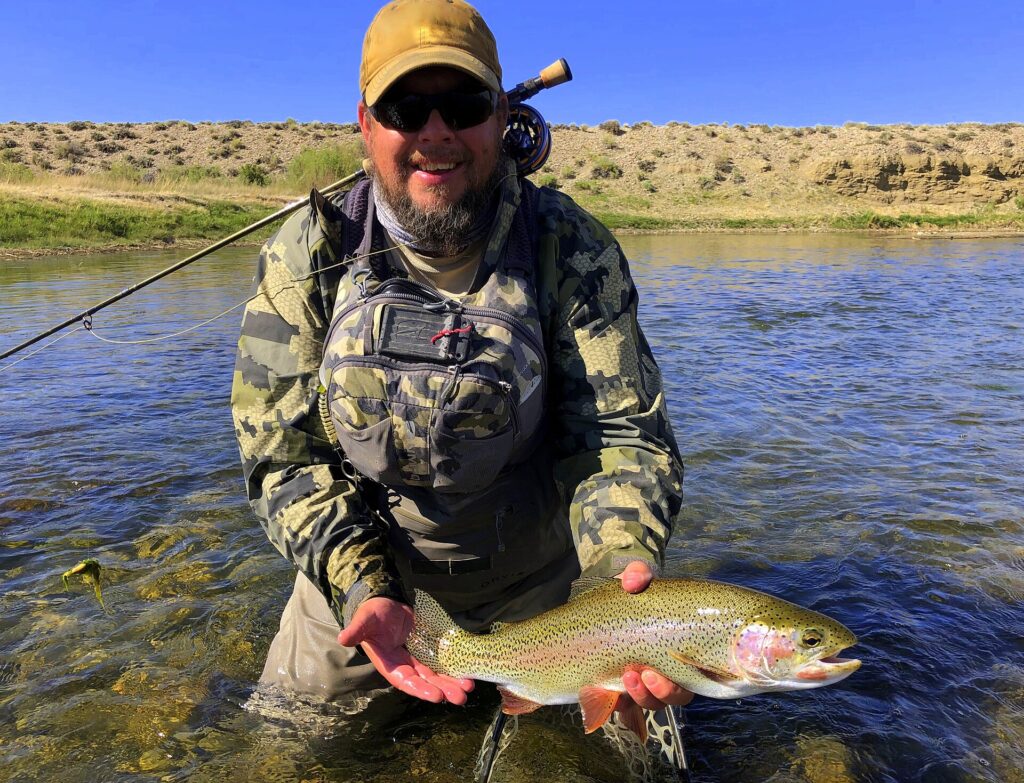
Steelhead start arriving in late August, with the run building through September into fall. That puts the Anchor on a different calendar from a summer sockeye trip. Leave time to work the river on foot, with the current conditions and reach restrictions shaping the day.
Compare the Anchor with nearby Deep Creek and the Ninilchik if you want a trip based around roadside steelhead water. Our steelhead fly fishing guide covers the tackle and techniques to think through before choosing an outfit.
Beads are one option for the steelhead fishing. That gives the Anchor a different starting presentation from the swung-fly approach on the Kasilof, even if both rivers are on your fall itinerary.
Kenai Peninsula
Deep Creek
Deep Creek is a lower Kenai Peninsula option for fall steelhead fishing on foot. Deep Creek North Scenic Overlook provides access to the creek, giving you a named place to begin planning the outing. It belongs beside the Anchor and Ninilchik when comparing these smaller roadside waters.
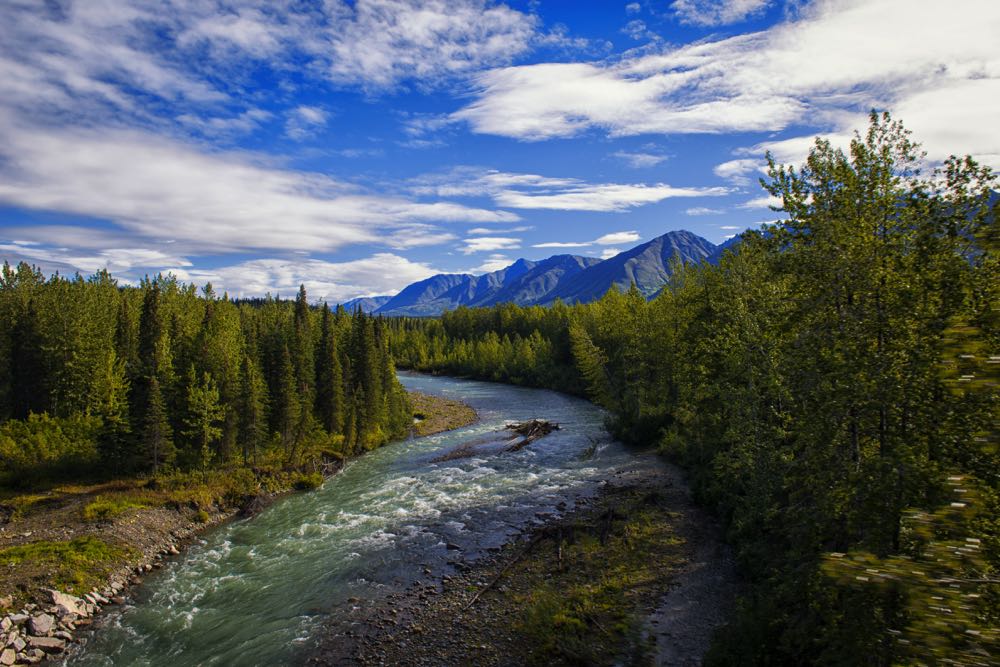
Deep Creek Beach has first-come, first-served camping along Cook Inlet. Keep the fishing access separate from the boat-launch information when reading about the site: the tractor-assisted launch serves boats heading into Cook Inlet, while this fly-fishing plan is about reaching the creek on foot.
Pack streamers for the steelhead fishing. Deep Creek offers a smaller-water fly-fishing day than the Kasilof’s drift-boat fishery, so I’d choose it when walking the creek is part of the appeal.
Kenai Peninsula
Ninilchik River
The Ninilchik is a small stream beside the village of the same name, reached from the Sterling Highway. For a camping base with river access, look at Ninilchik River Campground: the campsites sit among birch and spruce, with a trail leading to the river.
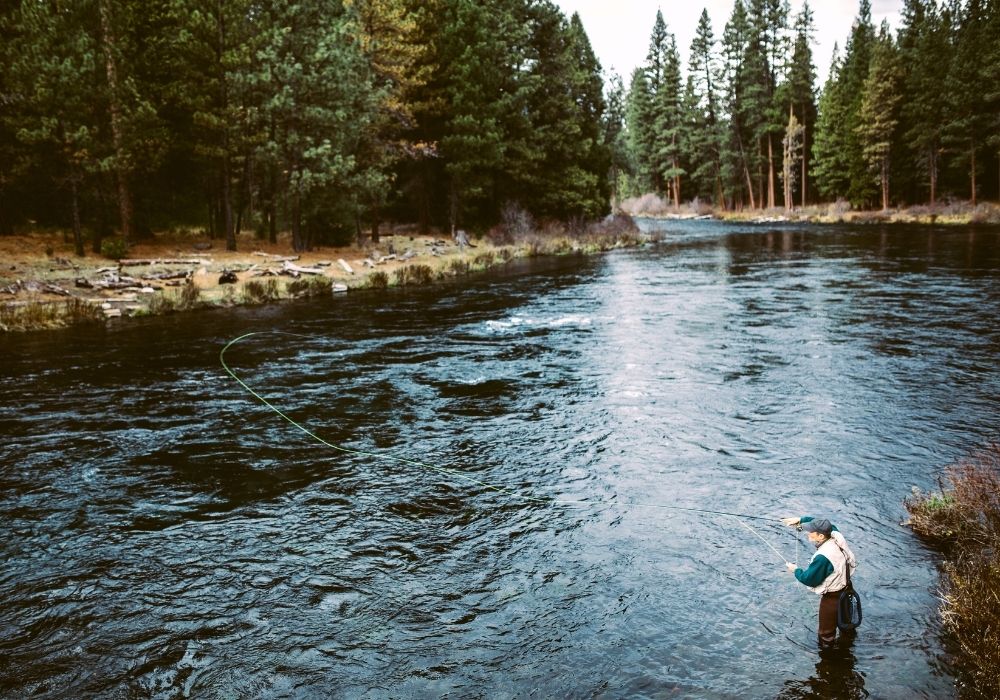
Fall steelhead fishing is reached on foot. It is worth comparing with nearby Deep Creek if you want a trip organized around walking and fishing small streams.
Susitna Valley
Willow Creek
Willow Creek is a practical place to start comparing Susitna Valley fishing if you are traveling by road. It is reached from the paved Parks Highway, and the campground near its confluence with the Susitna provides a developed base beside the water. Salmon and trout are part of the fishery.
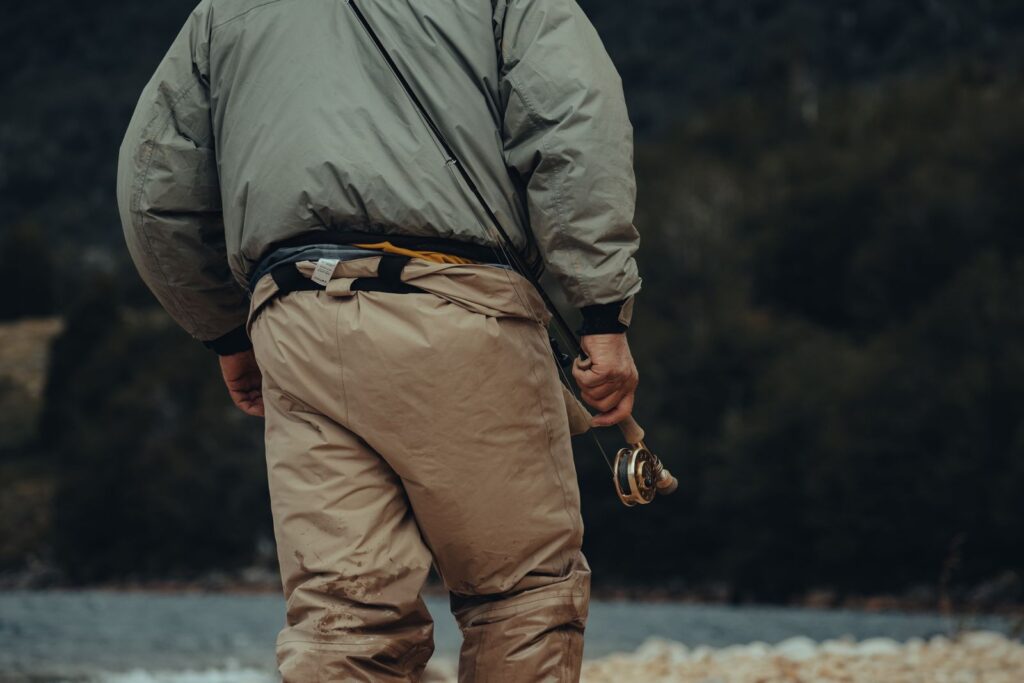
A raft day can finish at the campground takeout near the mouth. That gives Willow two useful trip styles: walk to fishing from a developed base, or arrange a float that ends there.
July is a useful month for a rainbow-focused trip. Carry beads and woolly buggers, giving you egg imitations and streamers for the fishing. With a campground takeout and road access, Willow is a practical choice when you want a trout float without arranging a wilderness flight.
Susitna Valley
Little Susitna River
The Little Susitna has a useful starting point for trip planning: the Little Susitna Public Use Facility, with its developed boat launch and campground. The river holds Pacific salmon, Dolly Varden, and rainbow trout. Compare it with Willow Creek if you want to begin with established facilities rather than a remote float itinerary.
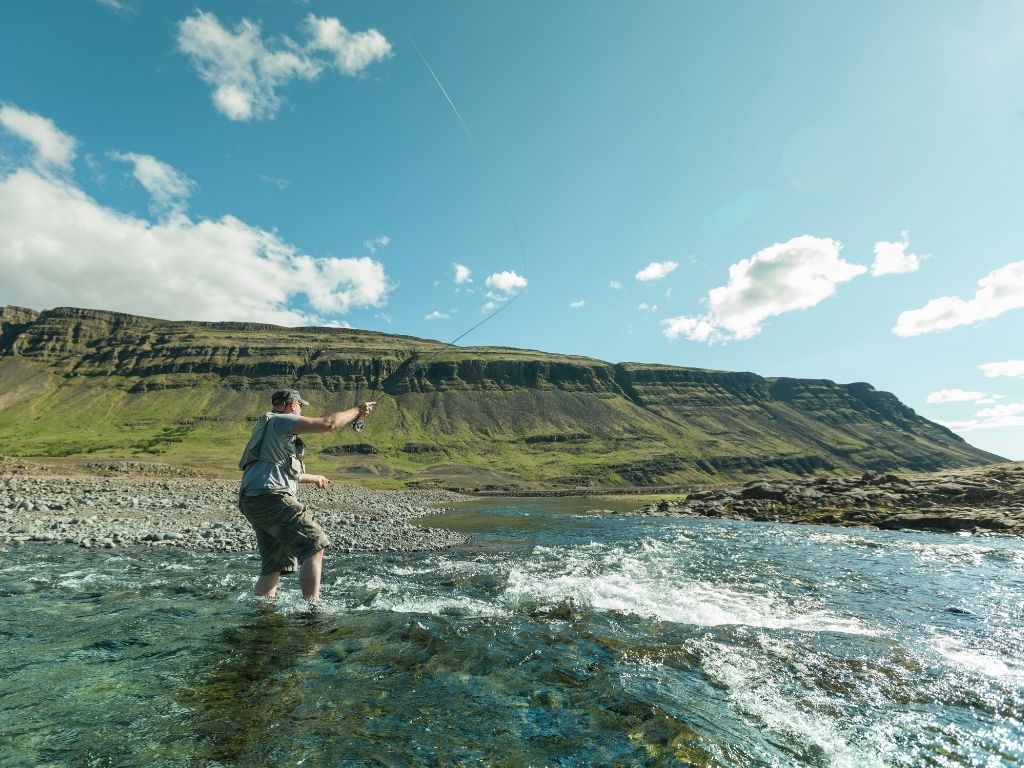
For a float, the Parks Highway is a common starting point for travel downstream toward the Public Use Facility or river access road. Put both ends of that route in the plan before arranging the shuttle. The facility is also a useful base for a boat-and-camping visit when you want to return to one place after fishing.
For coho, look at August on the lower river and include black or purple Egg-Sucking Leeches in the fly box. Coho fishing here is affected by emergency orders, so the season discussion is about when fish arrive, with current fishing and retention rules checked separately.
Susitna Valley
Deshka River
The Deshka is a boat-access choice in the western Susitna drainage. Deshka Landing provides a launch into the river system. You can arrange a guided boat outing or organize your own launch and route, but plan the water transport before treating it as a roadside fishing stop.
Summer gives you a window for Deshka rainbow trout, while August is a month to consider for coho. Check the current ADF&G emergency orders for your dates before settling on a target species or planning to keep fish.

Arctic grayling are another target alongside the rainbow trout and salmon. During salmon-return periods, boats can make the river busy. Allow for other anglers when choosing where to stop and fish.
Susitna Valley
Lake Creek
Lake Creek offers a fly-in float from Chelatna Lake toward the mouth, with rainbow trout and Arctic grayling among the resident targets. It is a multi-day river journey, and the boating is a substantial part of the trip. Choose it when both the float and the fishing appeal to the group.
Whitewater, a steep gradient, and large rocks make the route demanding. This is the first decision to settle: who will row the loaded boats, and whether the group has the experience for that water. A promising fish list does not make the float straightforward.
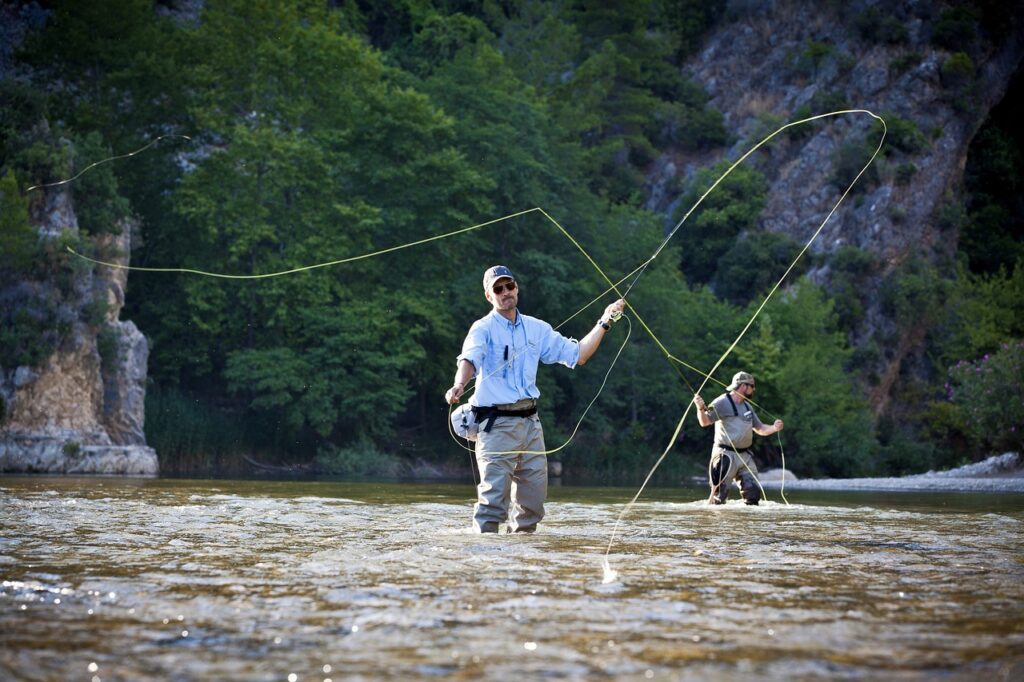
For rainbow trout, the salmon cycle helps explain the fly choice. Anglers fish egg or glo-bug patterns behind spawning salmon, with flesh flies becoming useful around dying fish. If you are planning a trout-focused float, include those imitations in the box and make the stage of the salmon run part of the timing discussion.
Compare that with Willow Creek if the real aim is trout fishing with simpler travel arrangements. Willow has a developed campground and a day-float takeout; Lake Creek asks you to commit to the remote river journey.
Susitna Valley
Talachulitna River
A Talachulitna float commonly begins with a floatplane arrival at Judd Lake. The upper creek is shallow and narrow, and rafts or inflatable kayaks are used for the journey. Think about the boat and its load alongside the fishing equipment: the early creek and the later canyon are different parts of the same trip.
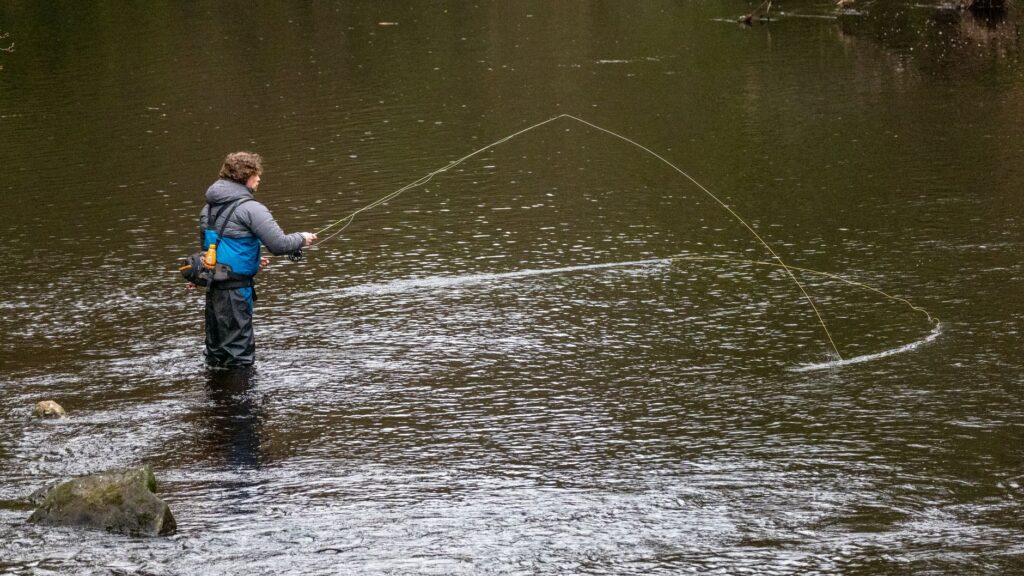
July is one month to consider for a rainbow trout float. Carry dry flies and mouse patterns for the surface, with sinking leeches and streamers for fishing below it. Those options let you plan a trout trip around more than one presentation.
The canyon includes Class II and III rapids, with difficulty changing as water conditions change. Settle the rowing and portage arrangements before the float; the shallow upper creek and the canyon place different demands on a loaded boat.
Bristol Bay And Katmai
Kvichak River
The Kvichak is a fly-in choice for resident rainbow trout and sockeye salmon. Lodge programs use boats to reach fishing spots across this wide river. That transport is part of the fishing day, so look at the water covered by the boat program as well as the flight that gets you there.
Fall rainbow fishing includes swinging streamers with two-handed rods, Skagit heads, and sinking tips. Single-handed rods are also used here. If you want to swing flies, pack the rod and line system for that presentation rather than building the entire outfit around drifting egg imitations.
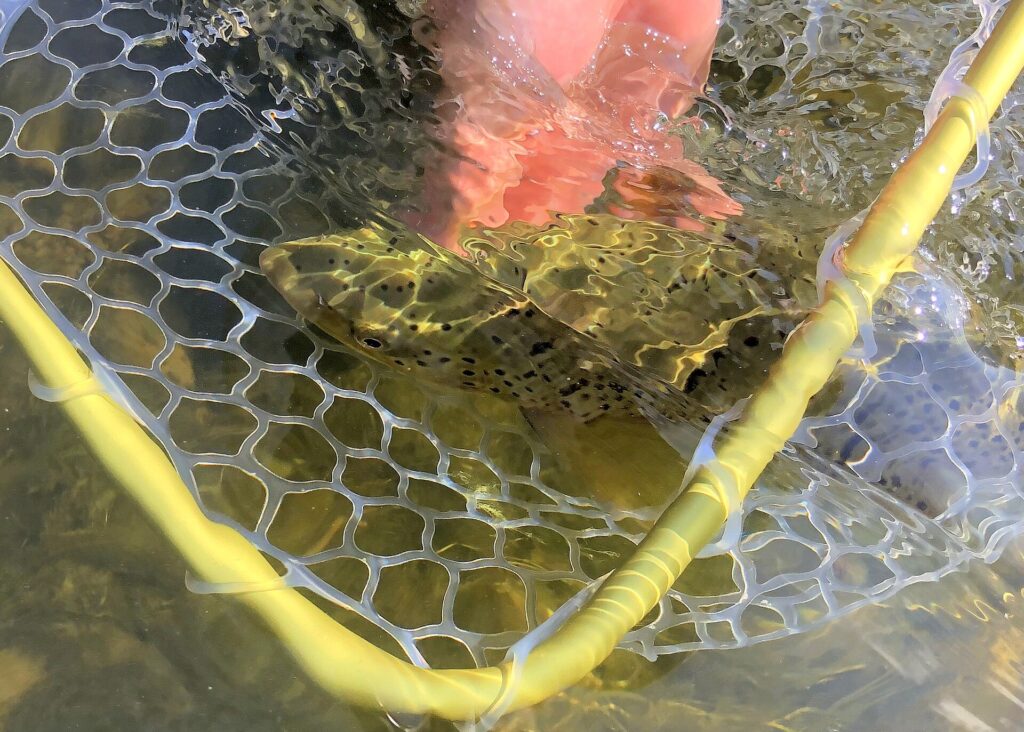
Some lodge fishing can begin from the bank, but boats are the practical way to reach many spots on this wide river. I’d compare the amount of bank fishing with the boat-based fishing when choosing a lodge, especially if walking out for an extra session is part of the appeal.
The Naknek offers another late-season rainbow fishery with swung streamers and two-handed rods. These are useful alternatives if your main interest is fishing a swing for resident trout, rather than planning the trip around sockeye.
Bristol Bay And Katmai
Naknek River
The Naknek is a strong choice for an angler who wants to concentrate on rainbow trout while staying within a salmon river system. It is substantial water, and boat support is part of many fishing plans.
Match The Method To The Salmon Cycle
Salmon spawning changes what Naknek rainbows eat. Egg patterns and flesh flies become useful as that food enters the river. Pack those imitations for a trip focused on trout feeding around the salmon run.

Late-season fishing also includes swung streamers with two-handed rods. Choose a trip that allows time for that presentation if swinging a run is the fishing you want to practice.
Boats are used to reach and fish this large system. The reach and boat arrangements should fit your chosen method, whether you want to drift egg and flesh imitations or swing streamers.
Bristol Bay And Katmai
Alagnak River
The Alagnak suits a trip where floating the river is part of the attraction. It is a fly-in wilderness destination with a mix of rainbow trout, Arctic grayling, char, Dolly Varden, and Pacific salmon. A float lets you make the river journey the center of the trip, rather than returning to one base after every fishing session.

Dry flies and nymphs are established rainbow approaches here, so a multi-day float can include insect-based trout fishing as well as salmon. Grayling, char, and Dolly Varden add other possibilities.
July is the month to consider if sockeye are central to the trip. I’d choose between a sockeye-focused visit and a trout-focused float before arranging the itinerary, so the fishing days match the species and presentation that interest you most.
Bristol Bay And Katmai
Brooks River
Brooks River combines rainbow trout and char fishing with concentrated brown-bear activity. That shared use of the river is central to the trip. Leave the fishing plan flexible enough to move out of the water when bears approach.
The National Park Service requires unbaited, single-hook artificial flies on Brooks River. It also requires anglers to stop fishing and remove lures when a bear is within 50 yards.
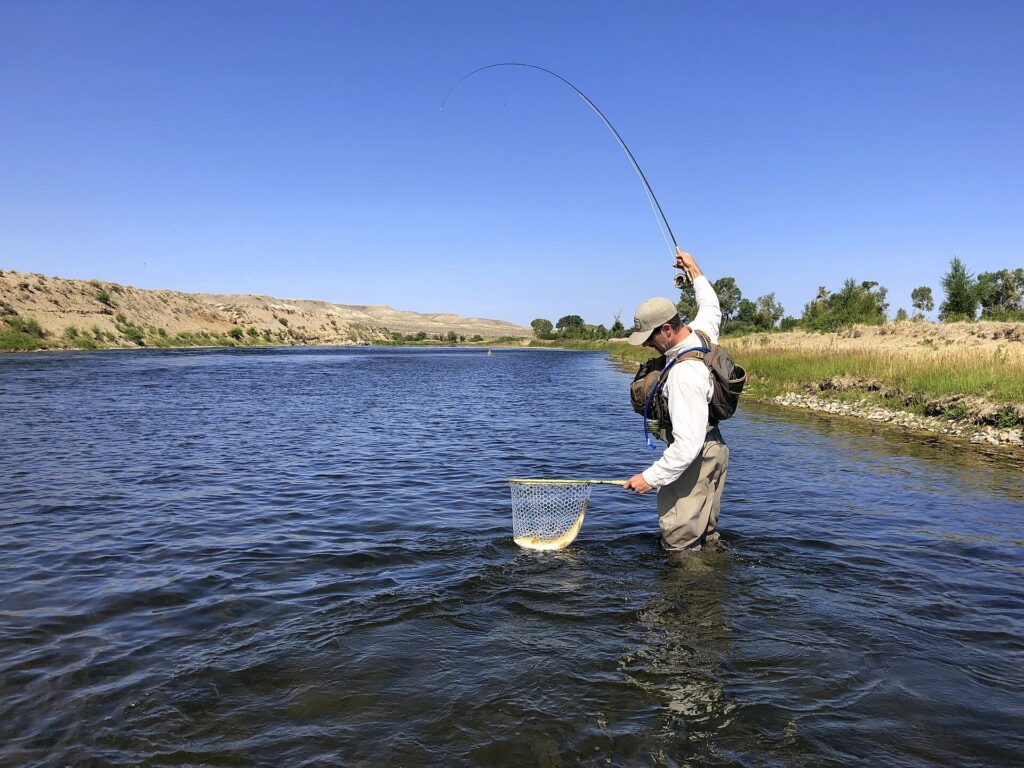
A Brooks River Corridor permit is required during the permit season. Arrange it before entering the corridor, and confirm the current closure boundaries and dates directly with Katmai before fishing around Brooks Falls.
If a bear approaches a fish you have hooked, be prepared to cut or break the line so you can move away without drawing the fish toward you. The salmon draw fish and bears to the same water, so the group needs to know that response before anyone starts casting.
Bristol Bay And Katmai
Moraine Creek
Moraine Creek is a remote Katmai fly-out choice for rainbow trout feeding behind spawning sockeye. Their eggs provide food, and anglers drift egg or bead patterns behind the salmon. Time the trip around that feeding opportunity.
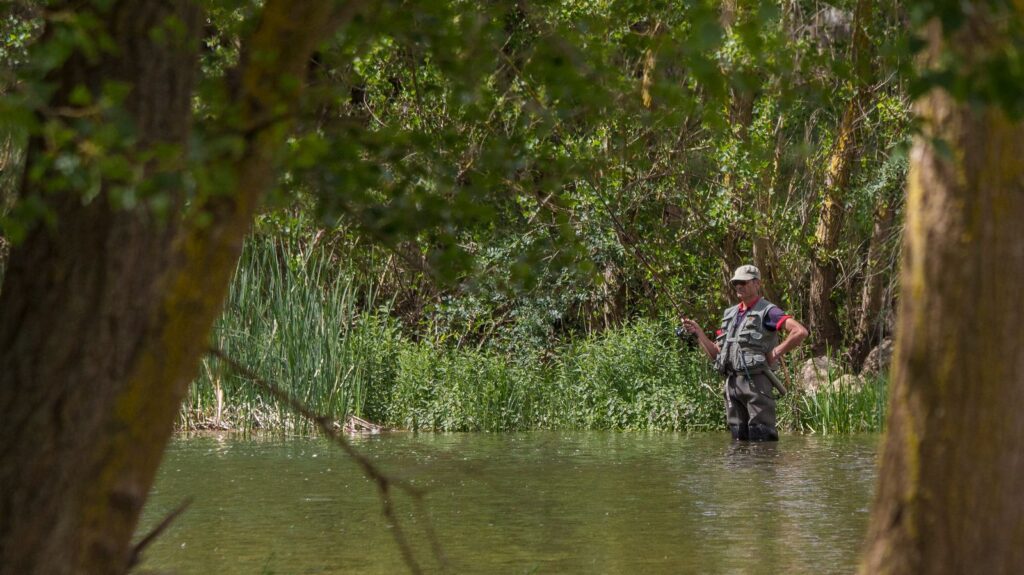
For a different rainbow approach, the Naknek also offers late-season fishing with swung streamers and two-handed rods. Choose Moraine when fishing egg imitations behind salmon is the part of the trip that interests you.
Brown bears use Moraine’s salmon-rich corridor too. Make room for that overlap in the fishing and camping plan, especially when you are concentrating on the same spawning sockeye that attract the bears.
Bristol Bay And Katmai
Kulik River
The Kulik is worth comparing with a lodge trip built around daily flights, because it offers rainbow trout fishing on the lodge’s own river.
The river connects Kulik Lake with Nonvianuk Lake, and guests at Kulik Lodge can walk out to fish it, including unguided evening sessions. That is a useful detail if you want the freedom to keep fishing after the day’s organized outing.

August and September are useful months to consider for rainbow trout. A Kulik fly box can include mouse patterns, streamers, and egg or flesh imitations. The lodge’s walk-out fishing lets you return to this home water between organized outings, rather than making every fishing session depend on another flight.
Bristol Bay And Katmai
American Creek
American Creek gives you three distinct ways to think about a rainbow trout and char trip: an upper-river day, a lower-river boat day, or a raft journey into the water between them. There is no road approach to the fishing. Aircraft are part of the usual access, and the chosen reach changes what happens after you arrive.
Choose The Reach Before The Trip
Upper-river day programs fly in for a hike-in fishing experience. Lower-river programs use jet boats on the final six miles. That distinction is useful when comparing itineraries: one gives you a day organized around walking from the aircraft’s access area, while the other uses a boat to reach the fishing.
The lower American is braided, and boats are used to fish it effectively. The boat gives you access to channels that would be difficult to reach from the aircraft’s landing area on foot.
A raft opens much of the middle river, but this is a technical wilderness float. Match the rowing arrangements to that route. For a day trip, the upper hike-in and lower jet-boat programs let you choose a reach without committing to the full float.
Early-season rainbow fishing includes dry flies and mouse patterns. If surface fishing is the main attraction, put that preference alongside the access choice: an upper hike-in day, a lower boat day, or a full float. You need a trip that gives you time to fish the presentation you came for.
Bristol Bay And Katmai
Nushagak River
The Nushagak is a river system of roughly 240 miles, so its name alone tells you little about the fishing day. It supports rainbow trout, Dolly Varden, Arctic grayling, and Pacific salmon. When you compare trips here, begin with the fish and the section of river the trip will actually cover.
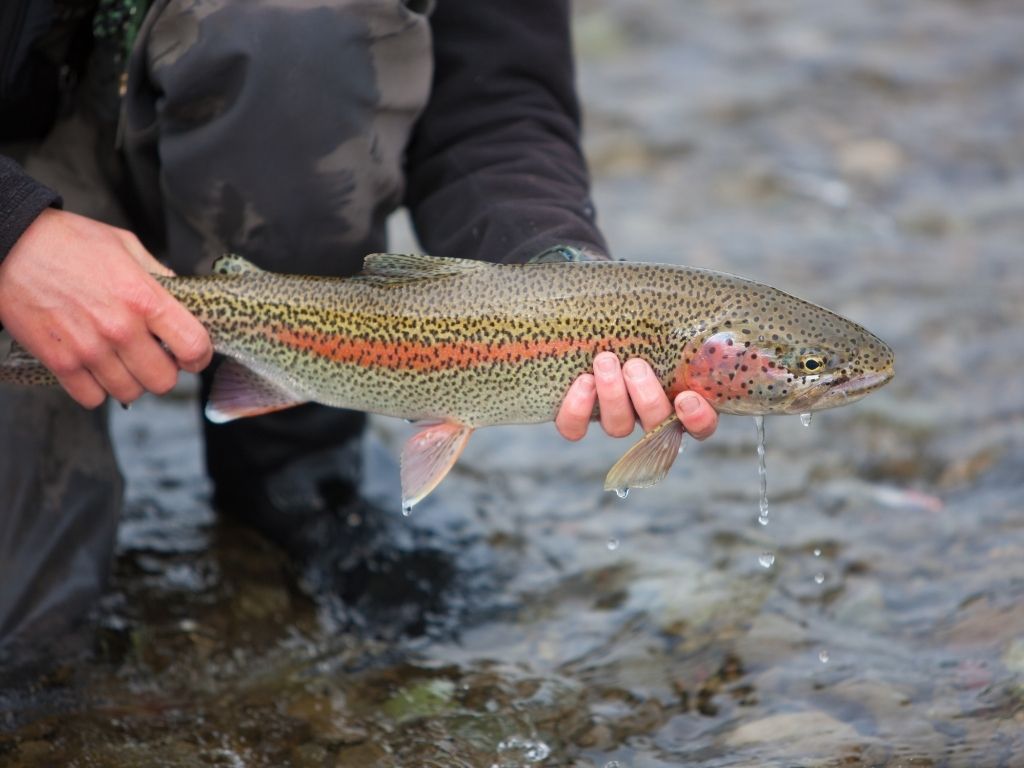
For a rainbow trout trip, begin with August or September and the upper-river fishing. Trout feed on salmon eggs, so spawning is part of the fishing plan. Egg and flesh imitations belong in the box, along with sculpin and leech streamers.
Lodge trips commonly combine aircraft access with powered boats for transfers and fishing. That gives you a fixed base and daily outings. I’d choose a trout-focused program if those egg, flesh, and streamer presentations are what you want from the Nushagak; the river’s salmon fishing is a different reason to come.
Bristol Bay And Katmai
Togiak River
The Togiak offers both float-trip and lodge-based ways to fish a system with salmon, rainbow trout, and Dolly Varden. Air access is part of the travel plan, followed by the river arrangements for the program you choose.
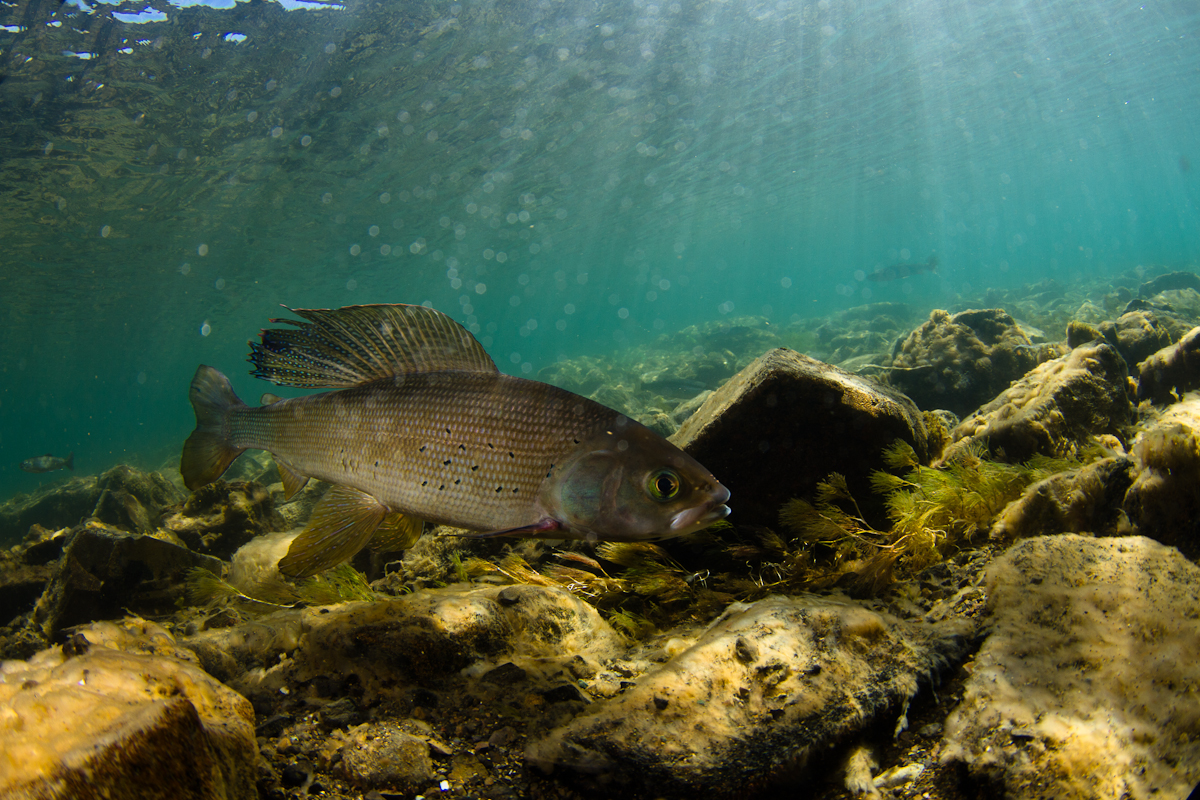
Late August is a useful time to consider for coho on the fly, with streamers among the fly choices. If that is the fishing you want, use the coho window to narrow the dates before choosing between a float and a lodge stay.
A float makes downstream travel and camping part of each day. A lodge program uses boats to reach the fishing and returns you to the same base. Choose the float if the river journey matters as much as the fishing; choose the lodge if you want daily boat outings.
Western Alaska
Kanektok River
Choose the Kanektok if a moving camp and several days on the river are part of the appeal. A float from Kagati Lake toward Quinhagak gives you a wilderness trip with rainbow trout, Dolly Varden, grayling, and salmon along the way.
Allow about a week for the river, then build your travel days around that. This is a different commitment from fitting a guided day into a road trip.
Bethel is one starting point for a floatplane trip to the river. Settle the route, takeout, and onward transport as one plan before booking individual flights. I’d also decide how much camp work I wanted to take on: organizing an independent float and joining a guided expedition are very different ways to spend the same week.

For rainbows, pack a box that gives you more than one way to fish. Mouse patterns let you work the surface, streamers cover subsurface fishing, and egg imitations become useful around spawning salmon. That variety is a good reason to choose the Kanektok, but I wouldn’t make a successful week depend on getting fish to eat a mouse every day.
Salmon Timing And River Hazards
For coho, consider late summer and early fall. Check the current rules and emergency orders before committing to those dates, as run timing does not establish an open season.
Overhanging and fallen trees create hazards along the float. Choose the trip to match your boating experience and allow time to handle obstacles, as well as to stop and fish.
Western Alaska
Goodnews River
The first Goodnews decision is whether you want to move camp downriver or return to a lodge. Both types of trip are available in this remote system, with rainbows, Dolly Varden, grayling, and salmon giving you several fishing possibilities.
A float can begin at Goodnews Lake and continue toward the village of Goodnews over several days. Floatplane access can be arranged through Dillingham or Bethel. The end of the trip needs just as much planning as the flight in, because tides affect the lower river. A boat pickup or tow is one practical way to handle that final stretch.
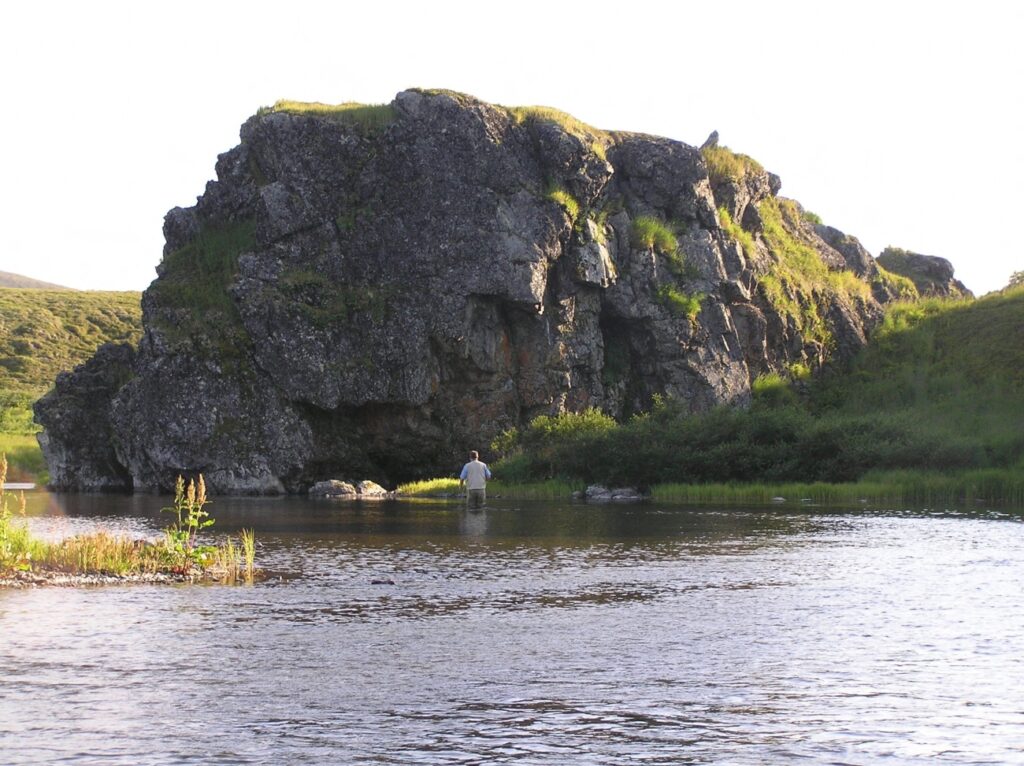
Plan Both Ends Of A Goodnews Float
The Flight In
Build the trip around your floatplane connection to Goodnews Lake, with the river route and equipment agreed before departure.
The Days On The River
Carry streamer, mouse, and egg options for trout. Treat overhanging and fallen trees as boating hazards as you move downstream.
The Takeout
Arrange how you will leave the tidal lower river. A pickup or tow can be part of the plan, not something to solve at the end.
Late summer and early fall are worth considering if coho are the main target. For rainbow trout, streamers and mouse patterns give you subsurface and surface options, while egg imitations come into the picture around spawning salmon. Pick the trip dates around the fishing you most want, then check the legal season separately.
The Kanektok is another western float to compare for trout, salmon, and a moving camp. On the Goodnews, include the tidal lower river and its pickup arrangements when comparing the work involved.
Western Alaska
Aniak River
The Aniak gives you a reason to pack a trout box as well as think about salmon. Rainbow trout, Dolly Varden, and Arctic grayling are established targets here. A lodge trip can begin with a flight to Aniak village, followed by an upriver boat transfer, so you can fish remote water while returning to a river base.
Egg patterns and streamers are useful trout choices, particularly once salmon are in the system. The eggs connect the trout fishing to the salmon run, while streamers give you another way to fish for rainbows. The SF slim fly box two-pack is an option for organizing the smaller patterns; choose a separate box with enough room for larger streamers.
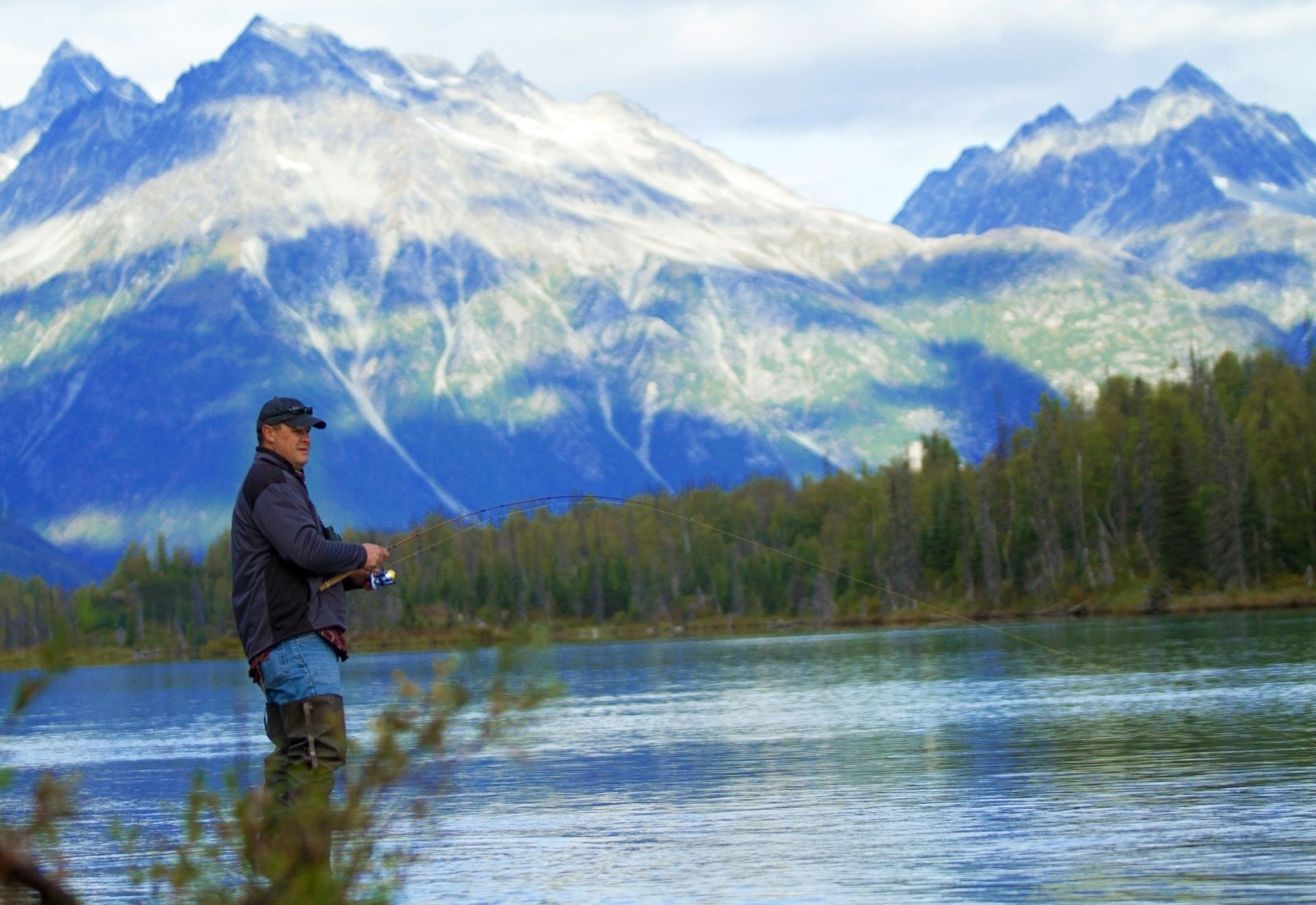
August is worth considering if coho are part of the plan. The salmon fishing changes through the summer, and late summer brings coho into the Aniak mix. For a trip centered on trout, keep that salmon timing in mind too, because it affects the food available in the river.
Western Alaska
Kisaralik River
A Kisaralik float has a clear beginning and end: fly into Kisaralik Lake, travel downstream, and meet a boat for the return to Bethel. The river offers rainbow trout, Dolly Varden, grayling, and salmon, but the route is a substantial part of the commitment. It suits anglers who want a wilderness river journey alongside the fishing.
The float includes rapids and a falls portage. Those obstacles belong in the boating plan before you settle the fishing schedule. Match the loaded boat and the person rowing it to the complete route.

For coho, late August into September is the planning window, with flashy streamers among the salmon fly options. Rainbow trout, Dolly Varden, and grayling give you other targets along the way, so the float can accommodate anglers interested in different fish.
Western Alaska
Kwethluk River
The Kwethluk is worth considering if your group wants an outfitted, unguided float. The established route starts with a flight to Boundary Lake, followed by a short portage to the river. At the other end, a boat pickup takes the group back to Bethel. Equipment and transport can be arranged without a guide accompanying the float.

Rainbow trout, grayling, and Dolly Varden give you several fishing targets. With an unguided float, your group controls the stops and time spent on each reach.
Late August is an option for a rainbow-trout float. Include beads in the fly box, and leave yourself fishing time around Crooked Creek and farther downstream, where the fishing improves. Build those stops into the float instead of using all the available days simply to reach the pickup.
Arrange the portage, raft loading, camps, food, and pickup together. If you prefer a staffed base and boat outings, compare the Aniak lodge arrangement.
Western Alaska
Unalakleet River
For coho, consider August. Fish begin entering freshwater in late July, with August falling within the main run period. Dolly Varden and Arctic grayling provide other fly-fishing targets alongside the river’s salmon.

Visitors reach Unalakleet village by air, then river programs use boats to reach the fishing. Arrange that river transport alongside the village flight; arriving in town is only the first part of reaching the water.
For coho, a seven- or eight-weight rod is an option. Carry streamers for fishing below the surface and wog patterns for fishing on top, giving you two different presentations to try during the run.
Kodiak Island And Yakutat
Karluk River
The Karluk offers a Kodiak trip with steelhead, salmon, Dolly Varden, and rainbow trout. One way to fish it is to fly into Karluk Lake and float downstream, making the river journey the structure of the trip.
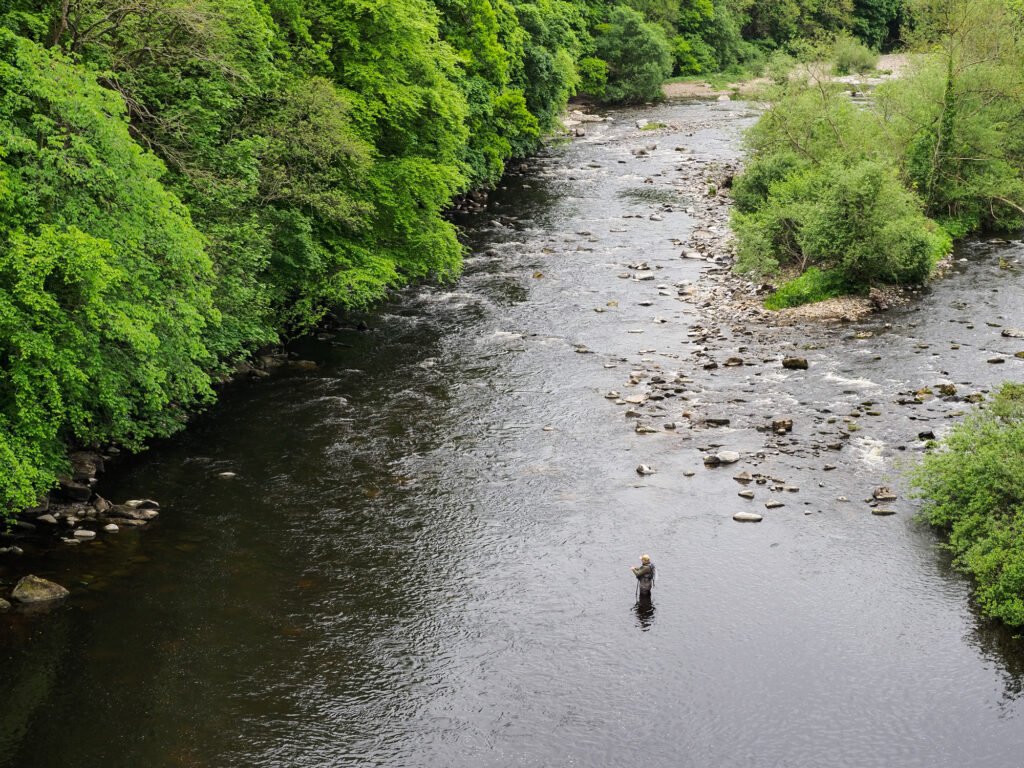
Access planning includes the land along the river. Koniag requires a land-use permit for use of its Karluk River and Karluk Lake lands. Read the current permit terms alongside your proposed camps and stops; a fishing license and a flight booking do not settle permission to use the shore.
October is a month to consider for steelhead, and swinging flies is one way to fish for them. That gives the Karluk a clear place in a fall trip comparison: remote Kodiak steelhead with flight and shore-access arrangements, versus the roadside walking options on the Anchor River.
Kodiak Island And Yakutat
Ayakulik River
The Ayakulik gives you two ways to organize a remote Kodiak trip from the Bare Creek area. After arriving by floatplane, you can camp and walk to nearby fishing, or float downstream toward the river mouth. That is a useful distinction if some of your group want a settled camp while others are picturing a journey down the river.
Sockeye, coho, and steelhead are the main species to build the trip around. June into early August is a useful period for sockeye. For coho, consider late August into early September; steelhead are another late-August and September option.
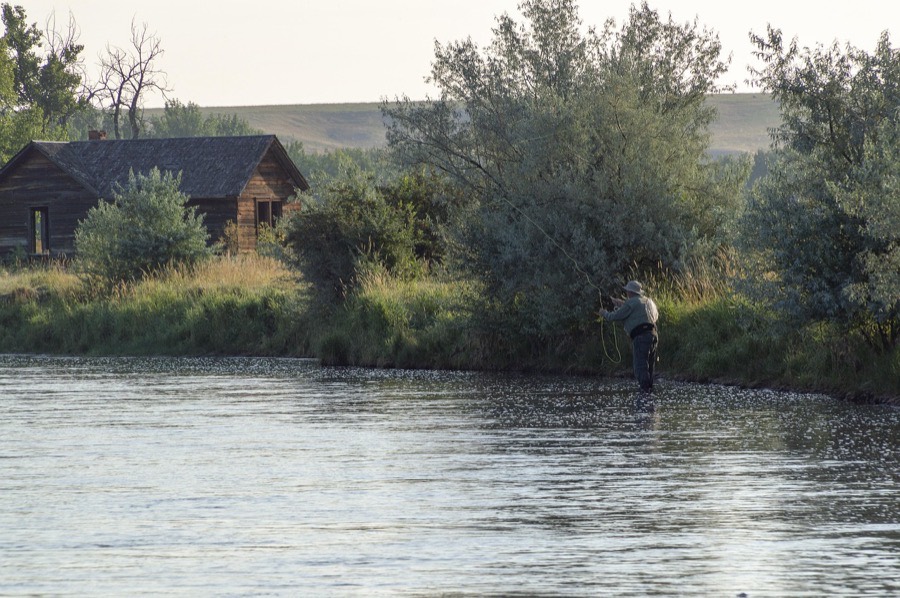
Coho can be fished with wet flies or surface patterns, so pack for both if you choose the late-summer silver run. A settled Bare Creek camp lets you walk to nearby fishing, while a float adds downstream travel and the exit at the mouth.
Kodiak Island And Yakutat
Situk River
The Situk is one of the clearest choices in this guide for a spring steelhead trip. April and May are the central planning months. It also gives you a choice between walking in and floating, so you can organize the fishing around how much river you want to cover in a day.
Walk In Or Float The River
On foot, start from the Lower Landing or Nine Mile Bridge. A boat day links those access points in a roughly 14-mile float from the bridge to the landing.
That is a full fishing day, rather than a short drift to fit around another outing. The walking option makes more sense when you want to concentrate on water near one access point.
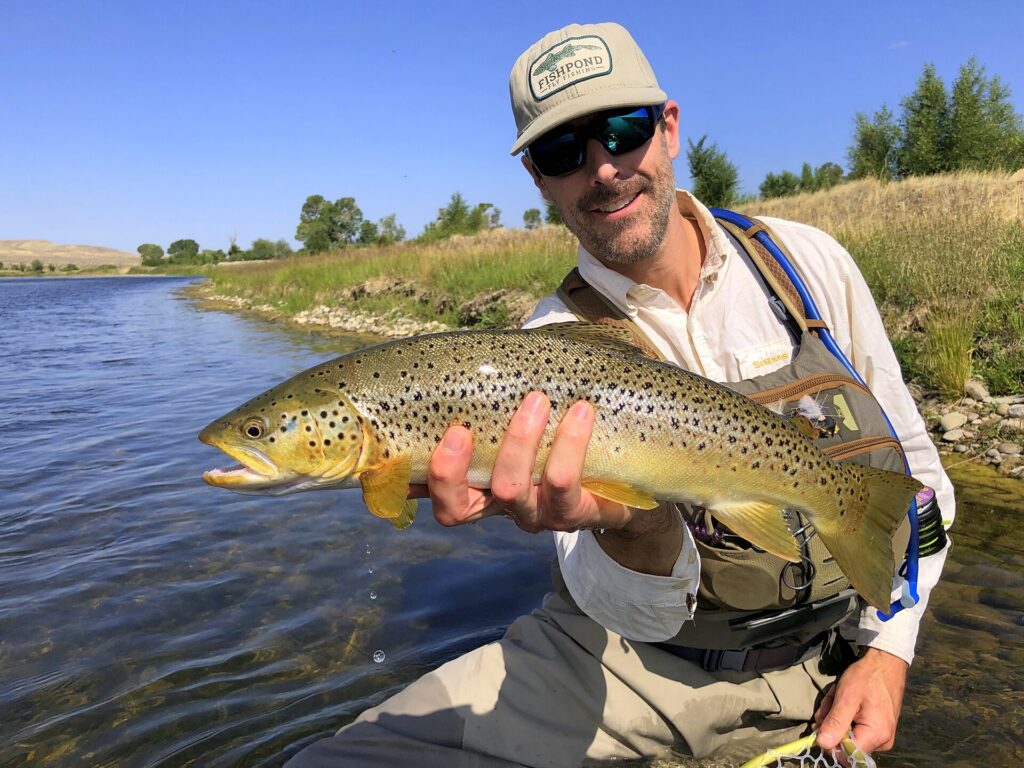
For spring steelhead, pack beads, egg and yarn patterns, leeches, and nymphs. Keep the current tackle rules beside the fly list when preparing for the trip.
Make The Season Part Of The Choice
The Situk also has seasonal sockeye, pink, and coho salmon fishing, plus Dolly Varden. Plan a return around the species you want to catch; the spring steelhead months are only one part of its fishing calendar.
For a fall steelhead alternative, compare the Anchor and Kasilof on the Kenai Peninsula. Our steelhead fly-fishing guide covers the broader approach.
Interior And Arctic
Chena River
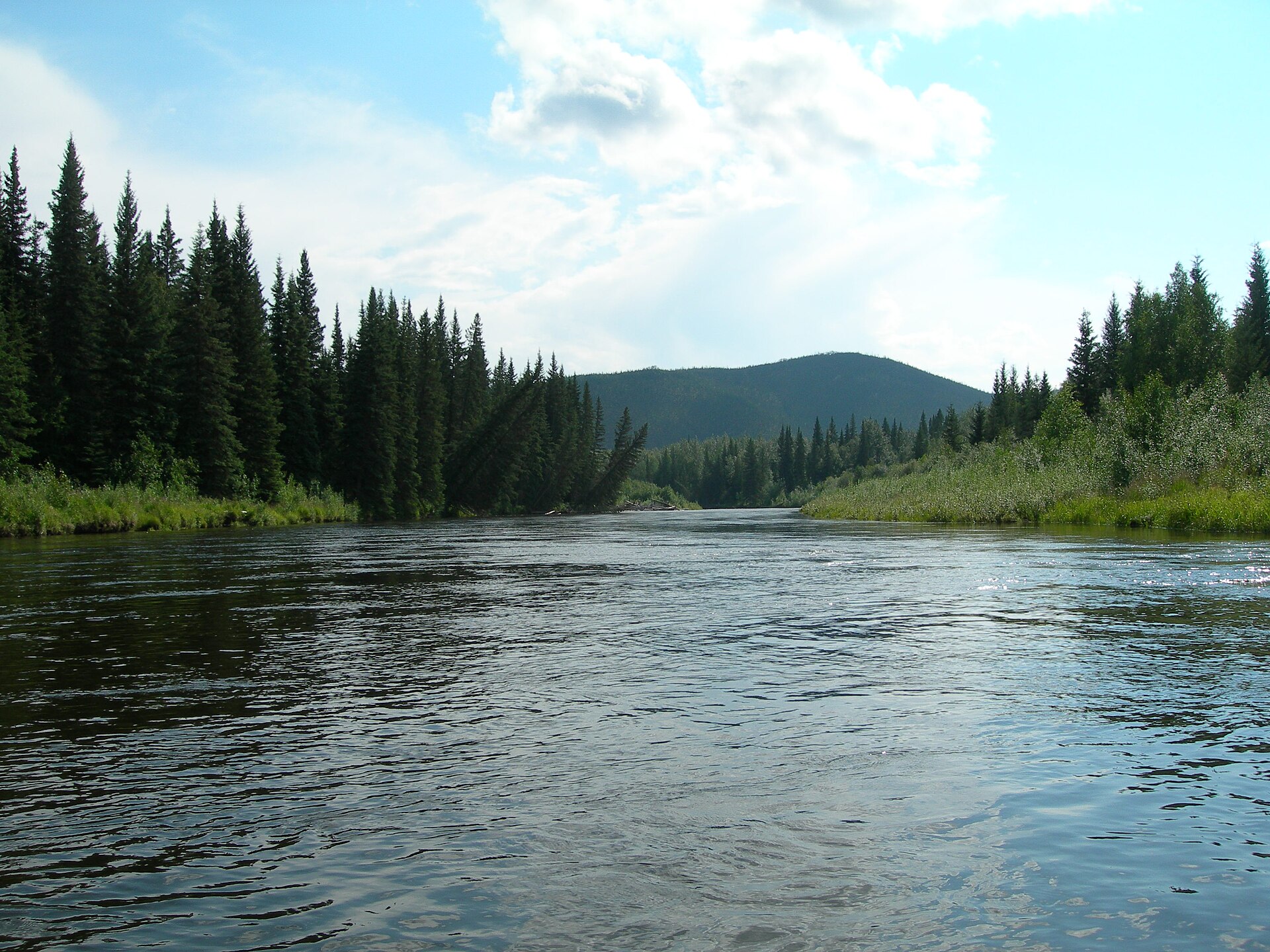
For an Interior trip centered on grayling, begin by comparing the upper Chena. Chena Hot Springs Road provides several river access points, and Arctic grayling are a catch-and-release target. Dry flies are a practical way to fish here, which makes it an appealing option if watching a surface take is more important to you than pursuing salmon.
Choose An Interior Grayling Trip
Chena: Start From The Road
Use the Chena Hot Springs Road access points to plan a grayling outing. Bring dry-fly options and plan to release the fish.
Delta Clearwater: Add A Boat
A day can combine boat travel and wading, with dry-fly fishing when grayling rise during insect hatches.
Gulkana: Compare The Access Points
Paxson Lake and Sourdough Creek campgrounds are useful starting places to investigate a river that holds both grayling and rainbow trout.
The upper Chena is closed to salmon fishing. Keep the upper-river outing focused on grayling even if you see salmon.
Sweepers and logjams require experienced boat handling on a Chena float. A road-access outing on foot lets you stay with one reach; a float adds the work of reading the current and avoiding wood as you move downstream.
Interior And Arctic
Delta Clearwater River
For a Delta Clearwater grayling trip, start with Clearwater State Recreation Site. It has a boat launch, and fishing days can combine boat travel with wading. Use the launch as the starting point for arranging a boat outing, rather than assuming you can reach the same water on foot.

Dry flies are useful when grayling are feeding during insect hatches. Leave time to watch a reach before moving on, particularly if surface fishing is why you chose the river. Fall also brings a coho fishery, giving the Delta Clearwater a separate seasonal option beyond a grayling trip.
Interior And Arctic
Gulkana River
The Gulkana combines rainbow trout and Arctic grayling with access from the Richardson Highway. For a float, Paxson Lake and Sourdough Creek Campground form a named start and finish. Use those endpoints to plan the shuttle and river journey.
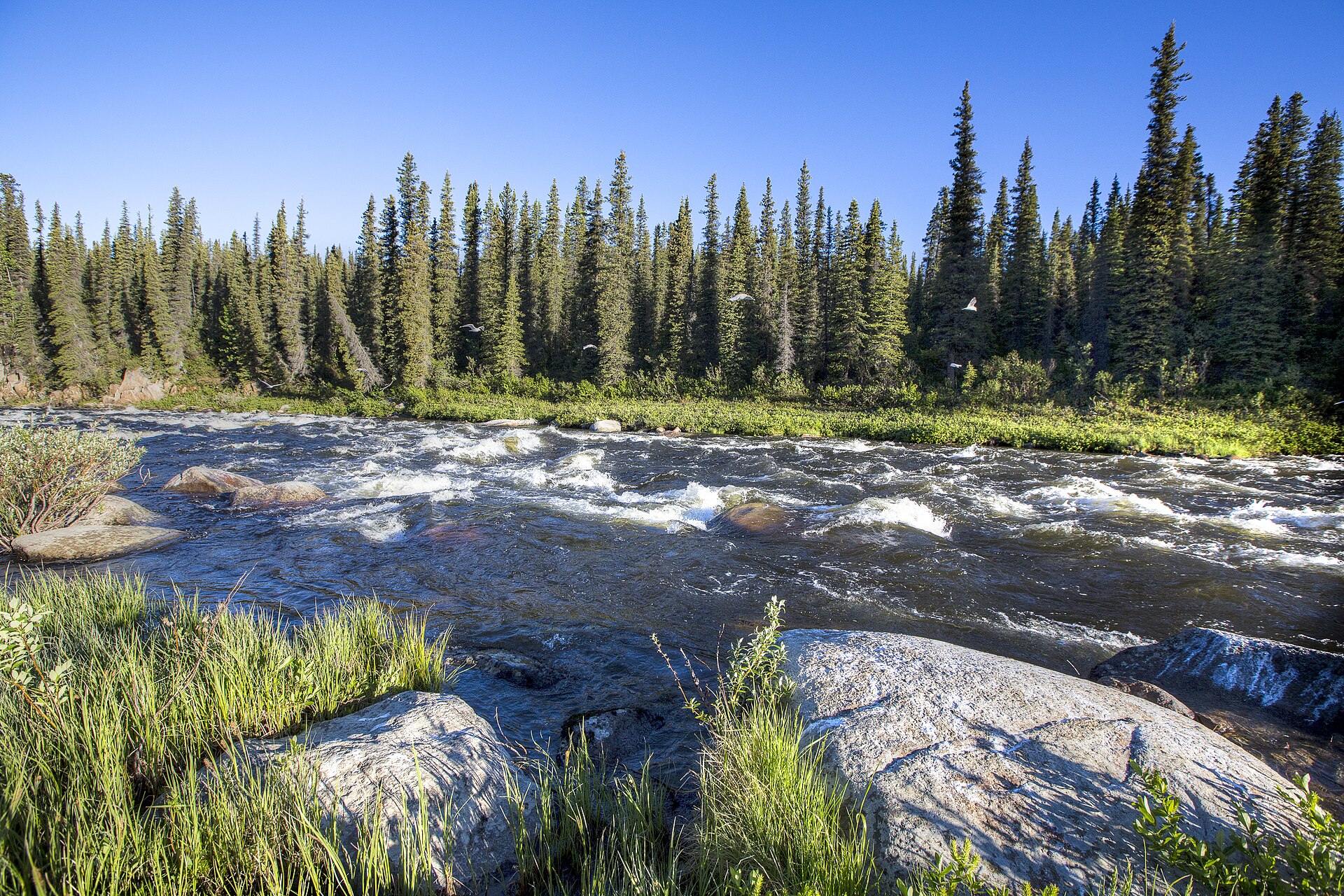
Canyon Rapids are a serious obstacle on the float and may require a portage. Include that decision in the boating plan, with the current water level and the group’s ability in mind.
If the main aim is simply trout and grayling fishing, a full river journey is only one way to approach the Gulkana; its named campground and highway access points are also worth investigating.
Bring dry flies for Arctic grayling. That surface-fishing option makes the Gulkana a useful comparison with the Klutina if you are choosing one river in the Copper Basin: a grayling-focused float here, or the Klutina’s glacial-water fishing and campground bank access.
Interior And Arctic
Klutina River
The Klutina offers campground shoreline access in the Copper Basin, with sockeye salmon and resident fish including Dolly Varden, grayling, and rainbow trout. For an independent fishing stay, the lower river’s campgrounds give you a concrete way to compare where you could sleep and reach the water.
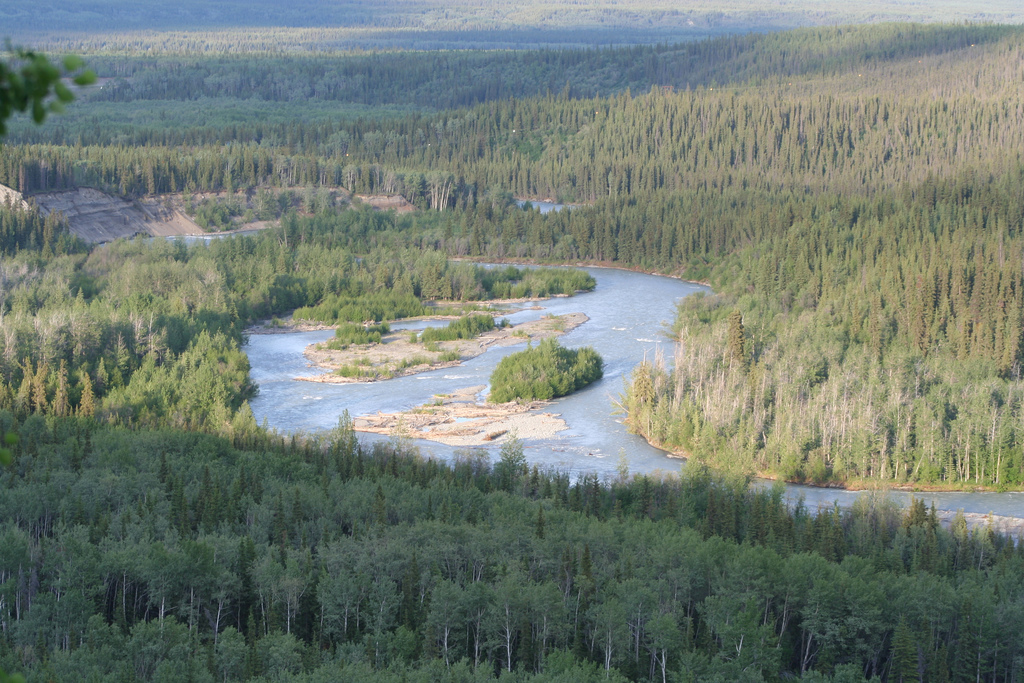
It is also a glacial river with whitewater rafting options. Keep a bank-fishing plan separate from a rafting plan when you compare trips. A campsite on the river can be a convenient fishing base without making the river itself an appropriate float for your group.
July and August are months to consider if sockeye are the target. Keep that choice separate from the river’s resident-fish possibilities, and match the trip to the campground bank access or the demanding float. The glacial water and whitewater are reasons to make the access decision carefully.
Interior And Arctic
Copper River
Here, Copper River means the main Copper River Basin around Copper Center and Chitina. The Richardson Highway is one of the main road approaches, and the basin includes trout and grayling fishing in its lakes, rivers, and streams. Treat this entry as a starting point for choosing water within the basin.
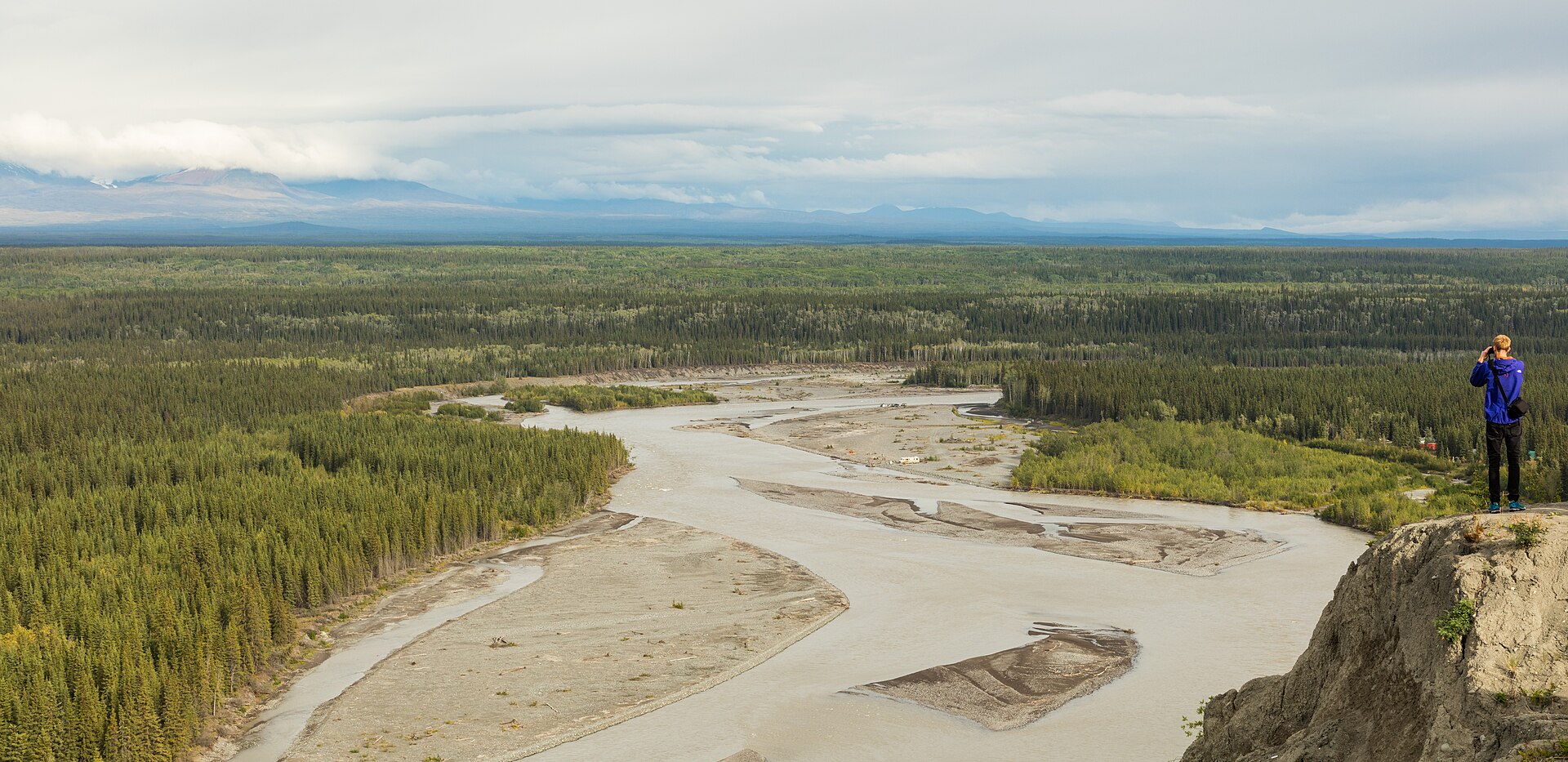
For a specific fly-fishing plan, compare the basin’s tributaries. The Gulkana has rainbow-and-grayling fishing with named campground access. The Klutina offers campground shoreline fishing and rafting possibilities. Choose a named access point on the water you intend to fish.
Interior And Arctic
Kobuk River
The Kobuk deserves a separate look if sheefish are the reason for your Alaska trip. August into September is a planning window for the upper river. Arctic grayling and northern pike also occur in the system, but sheefish give this trip a different focus from the southern rainbow-and-salmon rivers.
For the fly box, think bright, flashy, and sinking. Sheefish flies are fished below the surface, with large, shiny baitfish-style patterns among the choices. Make that intended depth part of the tackle plan; this is a different presentation from packing dry flies for an Interior grayling trip.
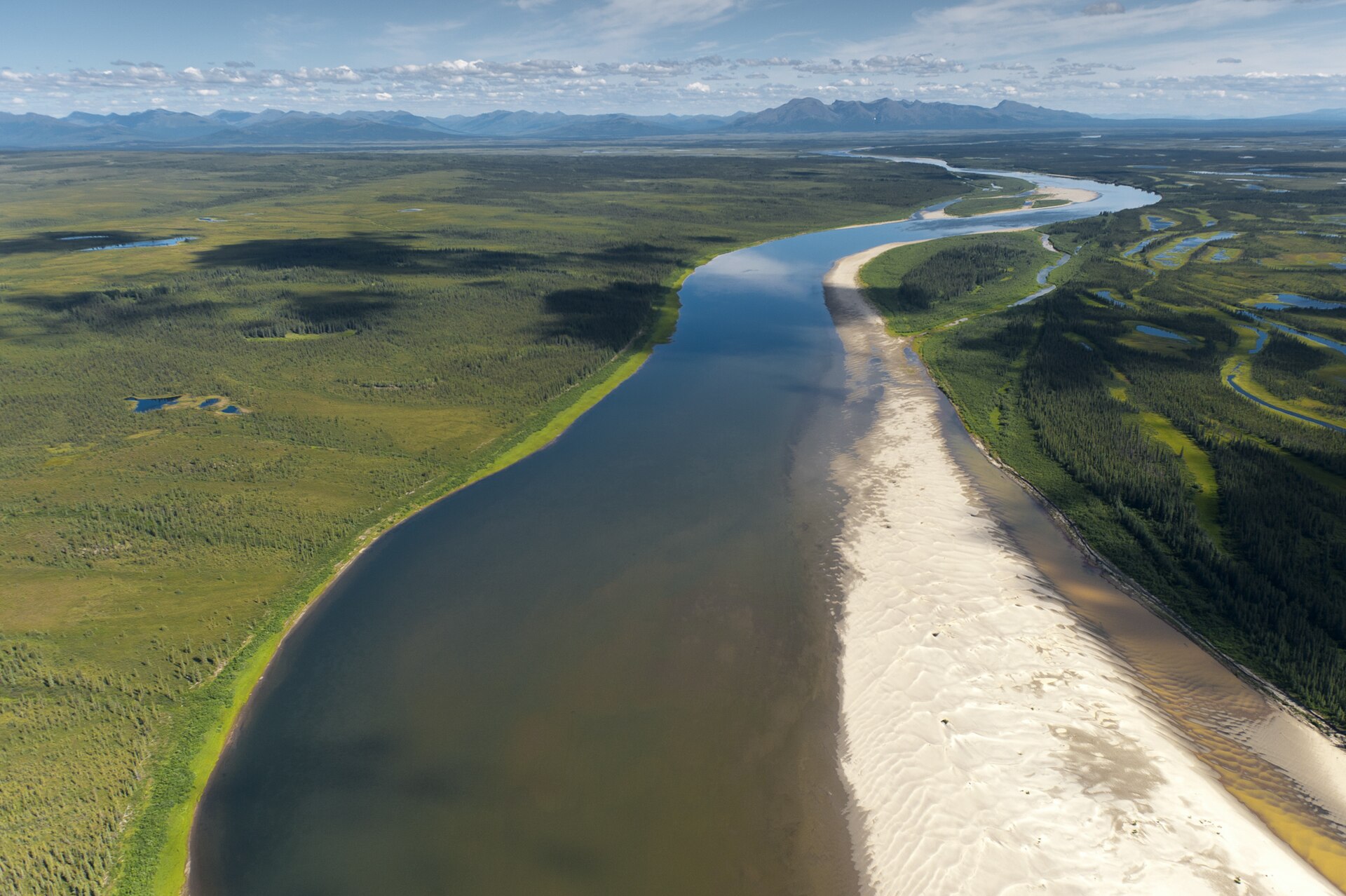
Fly-in floats can begin at Walker Lake or Lake Minakokosa. The Walker Lake start includes rapids and may require portaging, so the starting point changes more than the scenery. Compare the actual route and boating work before deciding which itinerary suits the group.
Build A Trip Around A Few Waters
For a road-based Kenai Peninsula trip, the useful comparison is between river sizes and access styles. The upper Kenai has highway bank access and the Cooper Landing launch. The Russian has a campground walk-in route and ferry access near its confluence.
Farther down the peninsula, the Anchor, Deep Creek, and Ninilchik give you fall steelhead options on foot. Pick the fishing you want to repeat, then choose a base around those waters.
For an Interior grayling trip, compare the Chena road-access reaches with a Delta Clearwater day beginning at Clearwater State Recreation Site. Both have dry-fly possibilities, but the access plans differ. The Gulkana adds a longer float option from Paxson Lake to Sourdough Creek, including a canyon that may require portaging.
For a fly-in trip, separate a fishing day from a river expedition. American Creek has upper- and lower-river day programs as well as a technical float. The Kanektok, Goodnews, and Kisaralik have defined float routes that make travel and camping part of the fishing trip. A lodge’s home river, such as the Kulik, offers another arrangement entirely.
Choose The Fishing Before The Month
There is no single best month for all 35 waters. Start with the fishing you want to do, then use the river’s timing to narrow your dates. Spring steelhead on the Situk, fall steelhead on the Anchor, and late-summer coho on the Goodnews are different trips.
Trout fishing also has its own timing. On the Kenai, salmon eggs and later flesh help determine the fly selection. On the Delta Clearwater, an insect hatch can be the reason to fish a dry fly.
Decide whether you most want a particular species, a particular method, or simply time on a river, then keep the rest of the plan flexible enough to support that choice.
A run-timing guide is a starting point for travel planning. Check the current rules for your dates separately, including the river section, target species, tackle, and whether fish may be kept. A fish being present does not establish an open season.
Plan An Alaska Fishing Trip
Write the trip from arrival to return before paying for the separate pieces. A road-based stay needs a chosen fishing access point; a float needs a put-in, a route, and a takeout; a fly-out day needs an agreed return arrangement. The river profiles give you named places and trip types to start that work.
Leave Room Around Flights
Leave flexibility around an air-taxi trip. Poor weather can delay a departure or pickup, so build the onward travel plan with that possibility in mind. Agree on the pickup location and the operator’s procedure for a delayed return before leaving town.
For a remote float, use the operator’s packing list and baggage allowance to settle who supplies the raft, camp equipment, food storage, and fishing tackle. For a lodge trip, find out which fishing is available from the property and which outings require another flight. At Kulik Lodge, for example, walk-out evening fishing is part of the home-river arrangement.
Check The Exact Water And Rules
Nonresident anglers aged 16 and older need an Alaska sport fishing license. Choose it for the days you will fish, then read the current regulations and emergency orders for the named water and species. Keep land-use permission separate from the license: the Karluk is one example where shore access needs additional attention.
Give Bears Room To Pass
Stop fishing when a bear approaches. If a bear approaches a hooked fish, be prepared to cut or break the line rather than drawing the fish toward you. Read the instructions for the area you are visiting and settle the group’s response before anyone begins fishing.
Plan The Wider Trip
- Fly Fishing Alaska: our wider guide to fishing and planning a visit.
- Fly Fishing Rivers In The United States: compare Alaska with other state river guides.
Pack For The Fishing You Chose
Start the fly box with the method. Kenai trout anglers dead-drift egg and flesh imitations; Chena grayling can be fished with dry flies; Kobuk sheefish call for bright sinking patterns below the surface. Those are different boxes, even though all three trips are called Alaska fly fishing.
I would also include polarized glasses in the packing list. The KastKing Skidaway polarized sunglasses are a wrap-style option. Fit matters on a full fishing day, so try your glasses with the hat and other clothing you plan to wear.
Felt-soled footwear is prohibited while fishing Alaska fresh water. Check your wading boots before packing them for the trip.
For a guided or lodge trip, compare your tackle list with what is supplied before buying a new rod or line. For an outfitted float, make the same check for raft equipment, camp gear, food storage, and the flight baggage allowance. Write down what your group is bringing and what the operator is providing.
Useful Fishing Guides
- Fly Rods For Trout: compare rod choices for a trout-focused trip.
- Fly Fishing Small Streams: work on the approach before a smaller-water outing.
- Steelhead Fly Fishing: prepare for a spring or fall steelhead trip.
- Fly Boxes: compare storage options for the patterns you plan to carry.
- Fly Fishing Waders: compare waders before choosing your size and layers.
- Fly Fishing Sunglasses: compare polarized options for the trip.
Alaska River Questions
Start with the type of access you want. The Kenai offers bank access along part of the upper river and a boat launch at Cooper Landing. The upper Chena offers road-access grayling fishing. If a multi-day float is the goal, compare the Kanektok and Goodnews routes.
Yes. Examples in this guide include bank access on the upper Kenai, walking to the lower Russian from its campground, and access to the upper Chena from Chena Hot Springs Road. Choose a specific access point and river reach when planning the day.
The Situk is a spring steelhead option, while the Anchor and Kasilof have fall steelhead fishing. Use those broad windows to compare trips, then check the current rules and conditions for the exact water.
Nonresident anglers aged 16 and older need an Alaska sport fishing license. Check the requirements for your intended species and water, along with any land-use permissions for the places you will stop or camp.
Choose Your Alaska Water
For one road-access fishing day, I would start with the upper Chena if grayling and dry flies were the priority. Choose an access point along Chena Hot Springs Road, leave time to watch for feeding fish, and plan to release the grayling. Keep the outing focused on that reach instead of adding another river just to cover more ground.
If a Kenai Peninsula trout day fits your wider trip better, compare the upper Kenai’s highway bank access with a boat outing from Cooper Landing. That gives you a concrete next step: choose your access style, read the rules for that section, and organize a day around fishing it well.
Save This Fishing Guide For Later


First pin photograph: Tangle River Fly-Fishing by Craig McCaa / BLM Alaska, public domain. Second pin photograph: Fishing An Alaska Creek by Dawn Endico, CC BY-SA 2.0. Both photos were cropped with text and shading added. The second adapted pin uses the same license.
Amazon and the Amazon logo are trademarks of Amazon.com, Inc, or its affiliates.
As a part of the Amazon Associates Program and other affiliate programs, Into Fly Fishing® may receive a comission if you order products through links on this website.