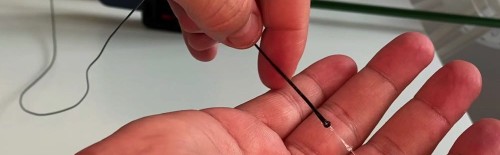
As an Amazon Associate I earn from qualifying purchases.
The triple surgeon’s knot is the one I reach for when I need to add tippet streamside in a hurry. It does not require wrapping one strand around the other, it works across a wide range of diameters, and it holds as well as anything else in my kit.
This post walks through every step, covers when to use the triple version instead of the double, and compares it to the blood knot so you know when to pick which. If you want to work through the wider set of fly fishing knots used in a full rig, that guide covers the whole chain.
Overlap leader and tippet by 6 to 8 inches, form a loop with both strands, pass both ends through the loop three times, wet the knot, then pull all four ends tight at once. The triple surgeon’s knot takes under a minute, approaches 100 percent line strength, and works on lines of any diameter.
What Is the Triple Surgeon’s Knot?
The triple surgeon’s knot is a line-to-line knot used to join two lengths of monofilament or fluorocarbon. Its job is connecting leader and tippet, or tying a short dropper length off your main tippet for a two-fly setup.
The structure is simple: both lines run through a shared loop together, three times. That shared-loop design is what separates it from the blood knot, which requires each strand to wrap individually around the other. Three passes through the loop gives the knot its name and adds friction that prevents slipping on fine fluorocarbon.
When all four ends are pulled evenly and the knot is wet before cinching, it approaches 100 percent of the line’s rated strength. The tippet breaks before the knot does.
When to Use It
I use the triple surgeon’s knot in two situations consistently.
The first is adding tippet to a knotted leader. Once the tippet section on your pre-made leader gets chewed down from changing flies, you tie on a fresh length. The surgeon’s knot does that job fast, and it handles lines that differ in diameter by a meaningful amount without complaint.
The second is building a dropper rig. Leave one of the four tag ends long after you cinch, and you have a ready-made dropper point. Trim the other three close and attach a second fly to the long tag. This is one of the fastest ways to rig a two-fly setup without a separate fly-to-tippet connection mid-leader.

The surgeon’s knot also holds up better than the blood knot in bad conditions. Cold hands or dim light make interleaving individual wraps very hard. With the surgeon’s knot you are just passing both strands through a loop repeatedly, and you can do that by feel.
What You’ll Need
The gear list is short:
- Your leader material
- A spool of tippet in the diameter you need
- A pair of nippers to trim the tag ends
- Saliva or water to wet the knot before cinching
The tippet diameter you pick affects whether you use the double or triple version. If you are on 3X or thicker, the double is usually fine. On 5X, 6X, or 7X fluorocarbon, the triple adds the extra friction that keeps the knot from slipping. If you are still sorting out your line setup, our team’s breakdown of the best fly lines covers the full system from fly line through tippet.
How to Tie the Triple Surgeon’s Knot: Step-by-Step
Practice this on the bench a few times before you try it in low light on the water. The motion comes fast once your hands know it.
Step 1: Overlap the Two Lines
Lay your leader and tippet alongside each other, running in opposite directions. Overlap them by 6 to 8 inches.

More overlap is better than less. You will be passing both strands through the loop three times, and a short overlap makes that awkward. Six inches is the minimum you can work comfortably with.
Step 2: Form the Loop
Pinch both strands together at the midpoint of the overlapping section. With your other hand, form a single large loop using both lines together.
The loop should be big enough to pass both the leader standing end and the tippet standing end through easily. A tight loop makes the next steps harder than they need to be.
Step 3: First Pass Through the Loop
Take both the tag end and the long standing end of the tippet and pass them through the loop together. This is a single overhand knot using both strands at once.
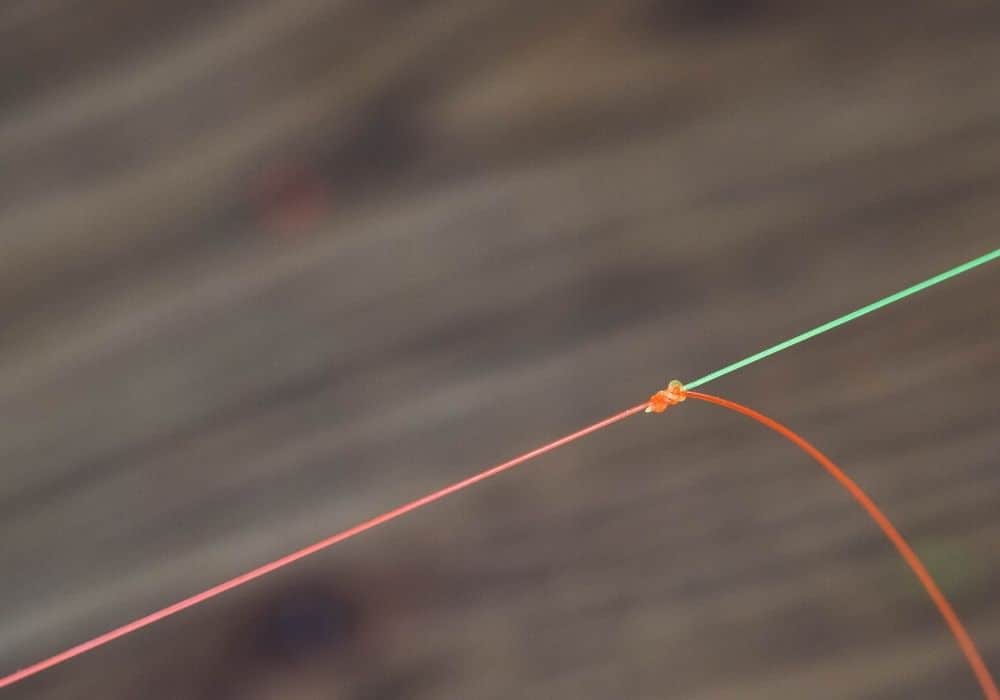
Pull them through completely, until the loop tightens a little around the crossing point. Do not cinch yet.
Step 4: Second Pass (Double Surgeon’s)
Pass both ends through the loop again. Same motion, same direction.
At this point you have made two passes and formed a double surgeon’s knot. On lines of 3X and thicker, you can stop here. On finer material, the second pass does not create quite enough friction on the slick fluorocarbon surface, which is why the triple exists.
Step 5: Third Pass (Triple Surgeon’s)
Pass both ends through the loop one more time. Three total passes through the loop is what makes this the triple surgeon’s knot.
The knot will look loose and a bit messy at this stage. That is normal. Nothing cinches until you wet it and pull.
Step 6: Wet and Cinch
Before you pull anything tight, wet the knot thoroughly. Saliva works fine. A dip in the water does the same job.
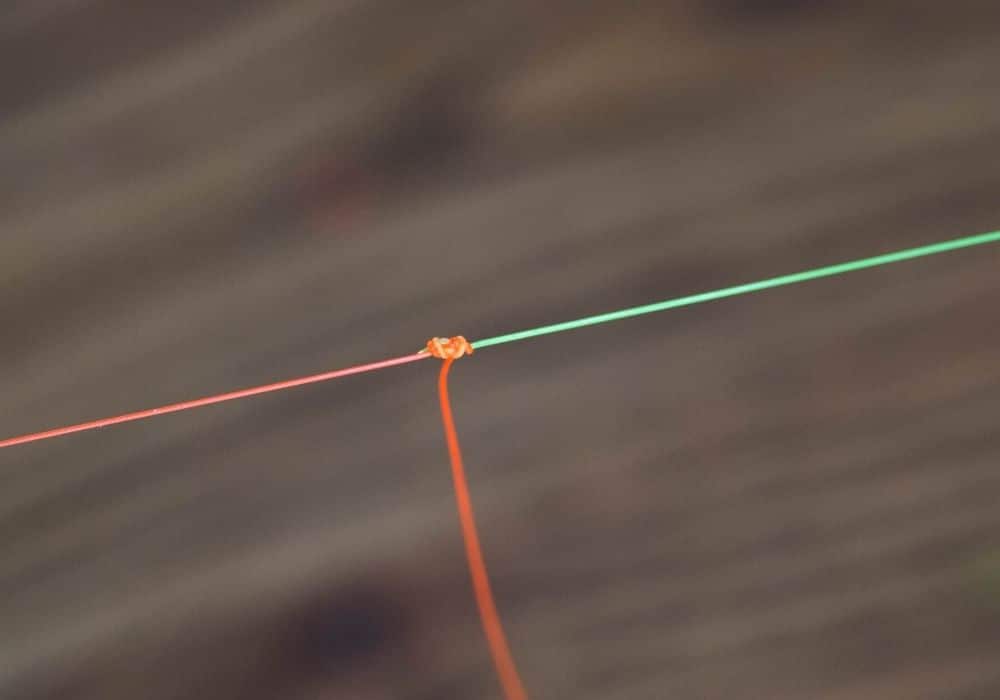
Cinching a dry surgeon’s knot generates friction heat that weakens the line. That is the single most common reason knots fail in the field. Wet it, then hold all four ends and pull simultaneously. The knot will draw down into a tidy barrel.
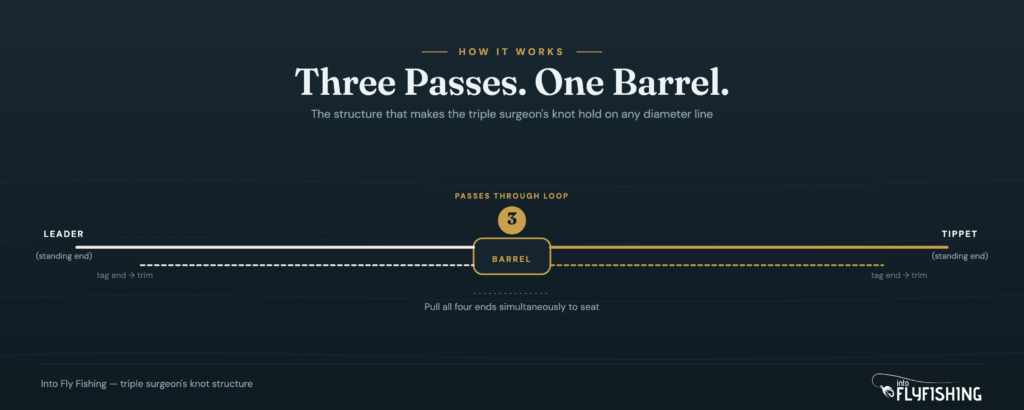
Step 7: Trim the Tags
Once the knot is fully seated, trim both short tag ends as close to the barrel as your nippers allow. A long tag end catches debris and can foul your drift.

Give the connection a firm pull after trimming to confirm it is seated. If anything slips, the knot was not cinched fully and you need to retie.
Watch the full tie in this step-by-step video from the Into Fly Fishing team. The camera angle shows the knot forming clearly at both the double and triple stage.

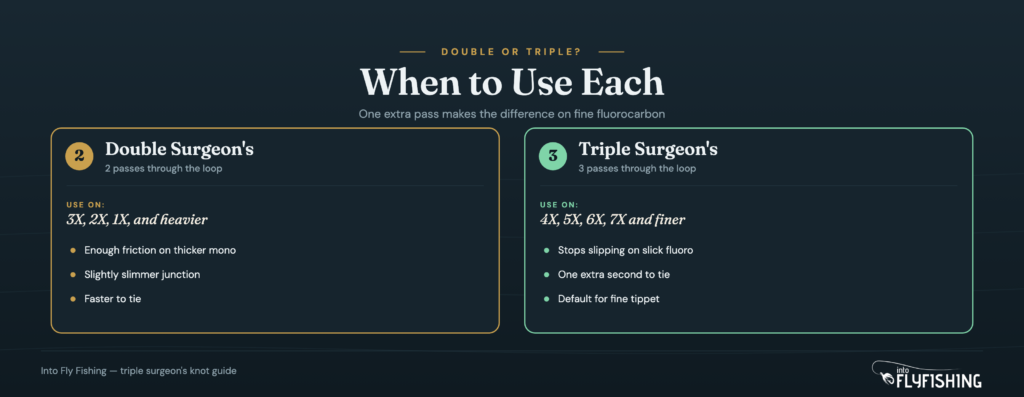
Triple vs. Double Surgeon’s Knot
The double surgeon’s knot makes two passes through the loop. The triple makes three. The extra pass matters on fine tippet.
On lines of 5X, 6X, and 7X, fluorocarbon is slick enough that two wraps can creep under sustained pressure. The third pass adds friction and locks the connection. On 3X and thicker material, the double is plenty and produces a slightly less bulky knot at the junction.
I default to the triple for anything 4X and finer and use the double on everything above that. If I am unsure which material I am working with, I tie the triple. It takes one extra second and there is no downside to the extra security on heavier line.
Triple Surgeon’s Knot vs. Blood Knot
Both knots join two lengths of mono or fluorocarbon. They work differently and each has a real use case.
The blood knot requires interleaving the strands, wrapping each around the other in a specific pattern. It produces a slimmer, more streamlined junction that sits flush with the line and passes through rod guides cleanly. It is a good knot when you have time to tie it carefully and the two lines are close in diameter.
The triple surgeon’s knot is faster. Both strands pass through a shared loop rather than wrapping around each other, so there is nothing to interleave. It also tolerates a bigger diameter mismatch between the two lines. The trade-off is a slightly bulkier profile at the junction, which rarely causes issues on a typical trout rig.
Use the blood knot when you are at the vise, building a leader precisely to spec, and both sections are similar in diameter. Use the triple surgeon’s knot when you are on the water, changing tippet quickly, or working with lines that differ in size. You can also reach for the uni knot as a third option for line-to-line connections in specific situations.
| Triple Surgeon’s Knot | Blood Knot | |
|---|---|---|
| Structure | Both lines through a shared loop | Strands interleaved around each other |
| Passes / wraps | 3 loop passes | ~5 wraps per side |
| Diameter tolerance | Equal or different | Best on equal diameter |
| Difficulty | Easy | Moderate |
| Speed streamside | Fast | Slower |
| Bulk at junction | Slightly bulky | Slim and streamlined |
Common Mistakes
A few errors come up regularly with this knot:
- Cinching before wetting. The most common failure. Always wet the knot before pulling it tight.
- Too short an overlap. Six inches is the minimum. Anything shorter and the third pass becomes a struggle that results in a loose, poorly formed knot.
- Pulling only two of the four ends. You need to pull all four ends at once for the knot to seat evenly. Pulling just the standing lines leaves the tag ends slack, which creates a weak spot in the barrel.
- Stopping at two passes on fine tippet. On 5X, 6X, or 7X, the double does not have enough friction. Always go to three on fine fluorocarbon.
- Not testing the seated knot. Give the connection a firm tug before you attach a fly. A knot that will slip under a fish will slip now.
FAQ
It joins two sections of monofilament or fluorocarbon line, typically leader to tippet or tippet to a dropper tag. It works on lines of equal or unequal diameter and is particularly useful for building a two-fly dropper rig by leaving one tag end long after cinching.
Yes. When properly tied and cinched with all four ends pulled simultaneously, it approaches 100 percent of the line’s rated strength. The tippet will break before the knot gives way, which means your breaking point is the line itself, not the connection.
The number of passes through the loop. The double uses two; the triple uses three. On lines of 3X and heavier, the double provides enough friction. On 5X, 6X, and 7X fluorocarbon, the extra wrap in the triple prevents the knot from slipping under pressure.
Use the blood knot when you are tying leaders at home and both sections are close in diameter. Use the triple surgeon’s knot when you are on the water, changing tippet quickly, working in low light, or connecting lines with a significant diameter difference. The surgeon’s knot is faster to tie and more tolerant of variation.
At least 6 inches. More is better on the first few tries. You need enough working length to pass both strands through the loop three times without the ends pulling out. Once your hands know the motion you can work with 6 inches consistently.
One Knot in a Bigger System
The triple surgeon’s knot handles one connection in your rig, and it handles that connection well. But it sits in a chain that runs from the fly line through the leader to the fly, and the connections at each end of that chain matter just as much.
For the leader loop, the perfection loop is the standard choice for most fly anglers. For the tippet-to-fly connection, the Orvis knot is compact and strong on fine wire. The full knot library covers all the connections you need from backing to fly, with step-by-step guides for each one.
Amazon and the Amazon logo are trademarks of Amazon.com, Inc, or its affiliates.
As a part of the Amazon Associates Program and other affiliate programs, Into Fly Fishing® may receive a comission if you order products through links on this website.