As an Amazon Associate I earn from qualifying purchases.
Shore fly fishing gets dismissed more than it deserves. A lot of beginners assume fly fishing means wading into the middle of a river, and if you can’t do that, you’re out of luck. That’s wrong.
You can fly fish from shore on rivers, lakes, ponds, and saltwater. I fish from the bank regularly, and so does most of our team. The technique adjusts, but the fishing doesn’t stop. The main challenge is your backcast, and there are proven ways to solve it.
Quick Answer: Yes, you can fly fish from shore. Rivers, lakes, ponds, and saltwater surf are all viable without a boat or waders. The main adjustment is your casting: limited backcast room means learning the roll cast and reading the water directly in front of you. Once you solve the casting angle, shore fishing is often as productive as wading.
How Shore Fly Fishing Works
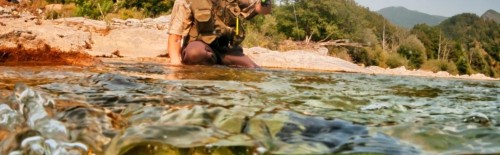
Fly fishing from shore is exactly what it sounds like: you stand on the bank, the beach, or the lake edge and cast into the water in front of you. No boat, no float tube, and waders are optional.
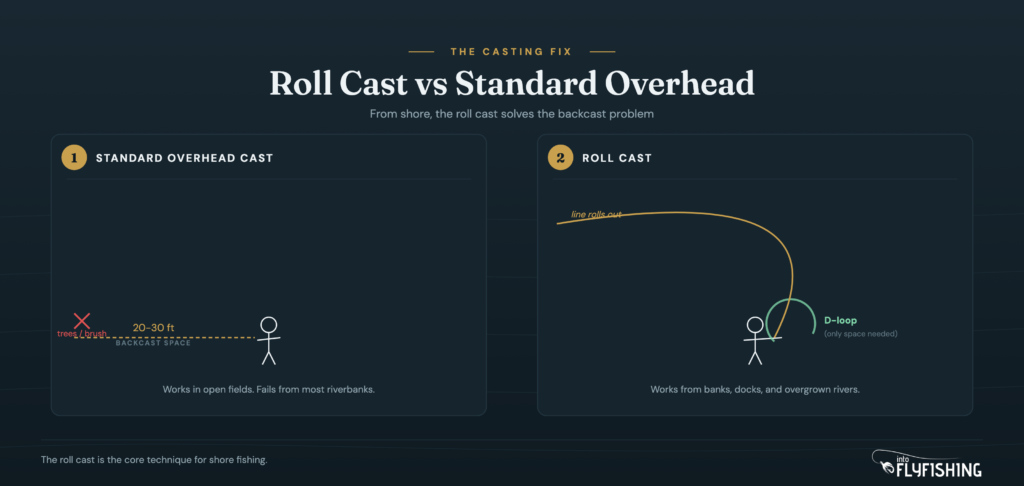
The mechanics of fly casting don’t change. You still load the rod, loop the line, and present the fly. What changes is the space behind you. A standard overhead cast needs 20 to 30 feet of clear space for the backcast. From shore, trees, brush, or a steep bank often cut into that. The fix is not better gear. The fix is a different cast.
One thing to get clear early: shore fishing is not a consolation prize. Some of the best lake trout spots I know are accessible only from the bank. Fish feed along shoreline structure all the time. You don’t need to be in the middle of the water to reach them. Avoiding the mistakes every beginner makes includes thinking you always have to wade.
Where to Fish: Rivers, Lakes, and Surf
The type of water changes your approach more than any other factor. Here’s how each one works from shore.
River Banks
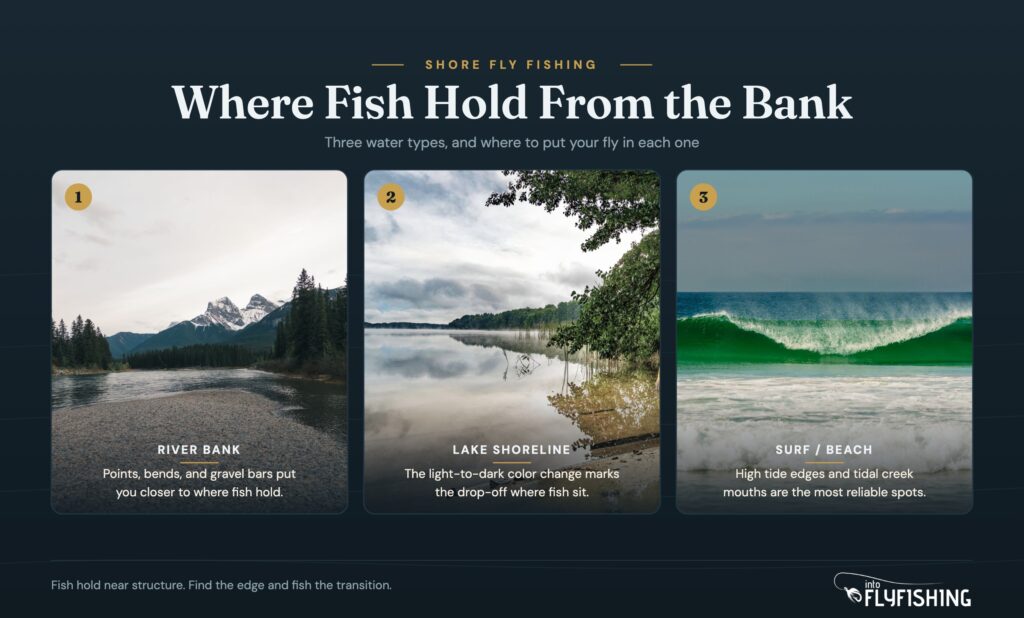
Rivers are the most straightforward. Find a bank where you have some room behind you, even 10 to 15 feet of clear space is enough with a roll cast. Look for points, bends, or gravel bars where the bank extends into the current. Those give you a wider casting angle and put you closer to where fish hold.
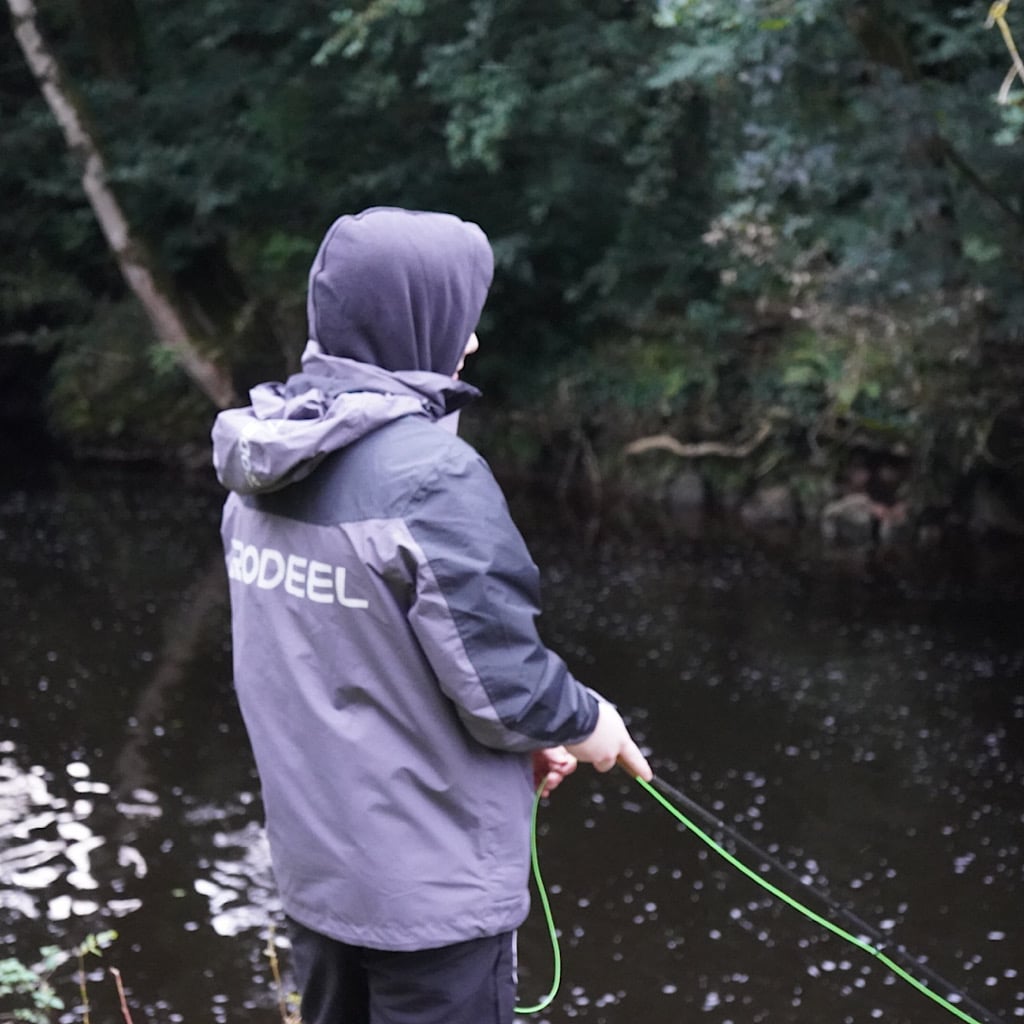
Upstream corners, where a current seam runs tight to the far bank, are productive spots you can reach from shore with a 30-foot cast. You don’t need to cross to the other side. Mend the line, let the fly drift, and you’ll cover the same water a wading angler would hit from the middle.
Lake Shorelines
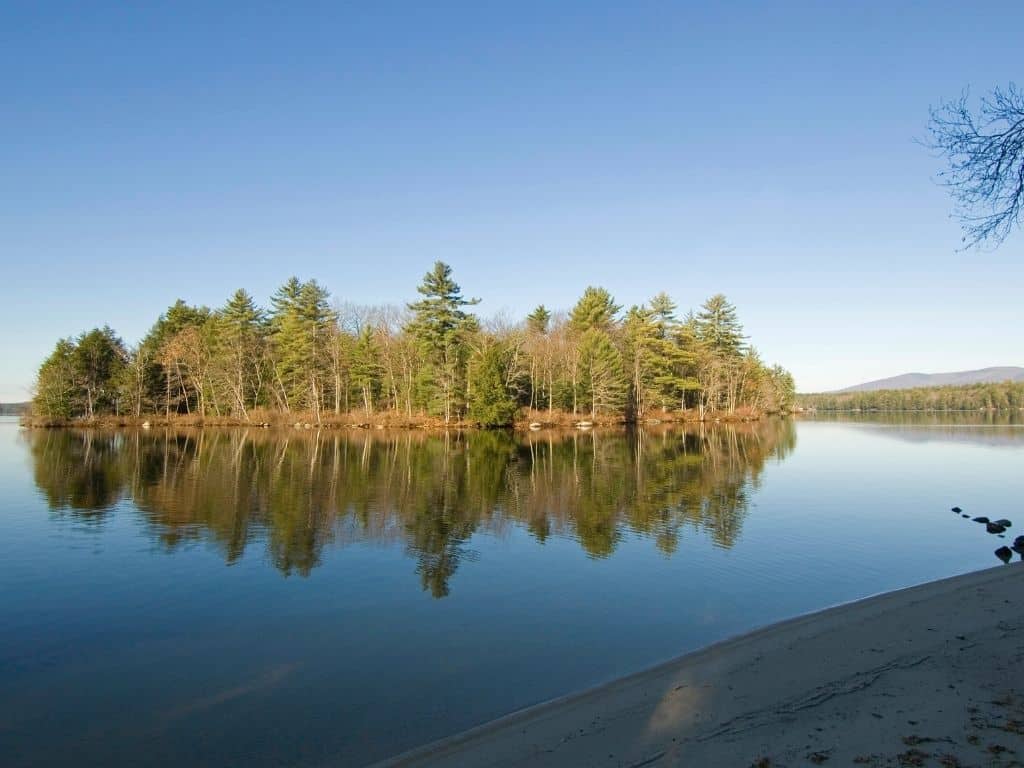
Lakes are the setting where I do most of my shore fishing. The approach is different from rivers because there’s no current to read. Fish in lakes cruise and feed along the edges, particularly near drop-offs, weed beds, and inlet streams. Your job is to find where the bottom changes.

Look for where the water shifts from light to dark green. That color change usually marks a drop from shallow to deeper water. Fish sit on that edge, especially in early morning and late evening. Cast parallel to the shore, not straight out, and strip the fly along the edge of the drop. The retrieve does the work that current does in a river.
Saltwater Surf
Surf fly fishing from shore is one of the more demanding versions of the technique, but it works for striped bass, bluefish, redfish, and sea trout in the right conditions. The fish push baitfish onto beaches, into points, and along rock jetties. You can intercept them from the sand.

The main adjustment in salt is rod weight. A 9-weight handles the heavier lines and bigger fish you’ll encounter in surf. Casting into a headwind is the biggest obstacle; casting quartering downwind instead of directly into the waves gives you more distance and accuracy. High tide edges and the mouths of tidal creeks are the most reliable spots to set up.
The Casting Problem (and How to Solve It)
The single biggest reason beginners give up on shore fishing is the backcast. You take one cast, the line lands in the bushes behind you, and the fish scatter. The standard overhead cast is the wrong tool for tight spaces. Switch to the right cast and the problem goes away.
The Roll Cast
The roll cast is the core technique for shore fishing. Instead of a backcast behind you, you use the water tension on the fly line in front of you to load the rod. Lift the rod slowly, let a D-loop form to your rear, then drive forward in one smooth stroke. The line rolls out over the water without ever going behind you.
It takes practice. The most common mistake is rushing the forward stroke before the D-loop is fully formed. Slow the lift down and let the line hang for a beat. Once that D-loop anchors, the rod loads on its own. Check our full guide to how to cast a fly rod for the step-by-step breakdown on both the overhead and roll cast techniques.

The Bow and Arrow Cast
For really tight situations, the bow and arrow cast works where a roll cast won’t. Pinch the fly by the bend of the hook, draw the rod tip back like a bow, and release the fly as you push the rod forward. It’s short range, 15 to 25 feet at most, but it puts a fly under overhanging brush or through gaps in bankside vegetation that no other cast can reach.
Use it as a backup when a pool under a tree is holding fish and you can’t get a D-loop up. It’s an odd-looking cast, but it gets the fly in the water instead of in the branches.

How to Read the Water From the Bank
Reading water from shore is actually easier in some ways than reading it from the middle of a river, because you can see the whole picture. The challenge is that you can’t reposition easily. You have to read it right the first time and place your cast where the fish are.
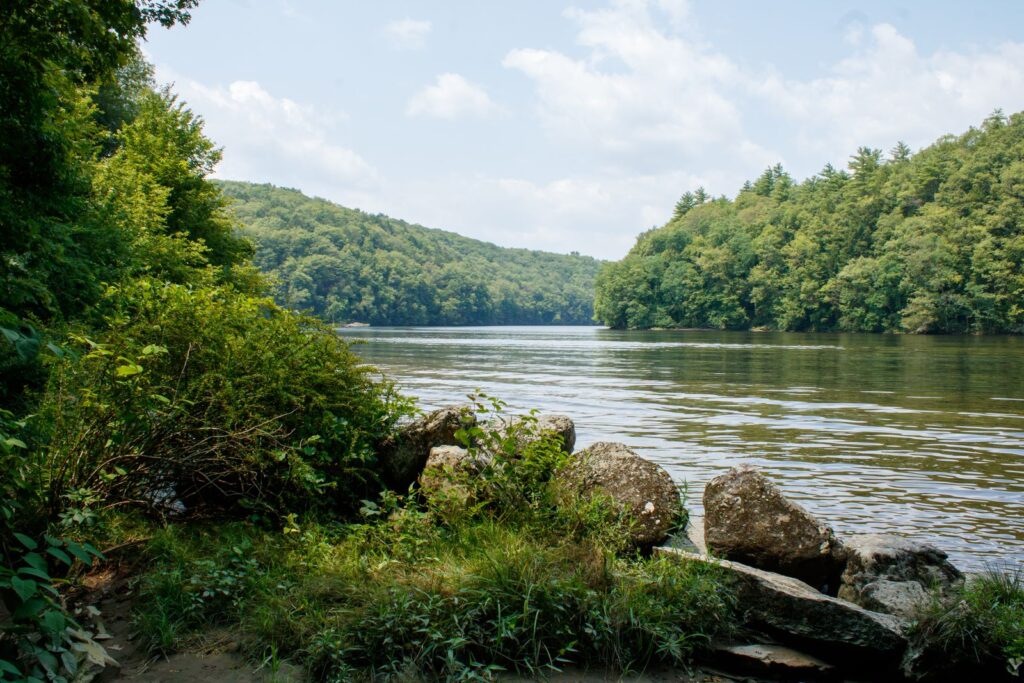
On rivers, fish hold where food concentrates: the inside edge of bends, behind rocks and mid-river boulders, and at the tail of pools where fast water slows down. From shore, you’re looking at that same structure from the bank and picking the cast angle that puts your fly in front of those spots.
On lakes, look for physical features you can see: weed edges, points of land, fallen timber, and the color breaks that mark depth changes. Our post on reading water for trout covers the river side of this in detail. The principle is the same from shore as it is from a wading position: find the structure, find the fish.
Presentation and Approach
You are closer to the fish from shore than you usually are when wading. That makes stealth more important, not less.

Stay low, move slowly, and keep your shadow off the water. A trout 20 feet out in clear water will spook from an angler standing upright on the bank. Crouch, use the bank itself as cover, and keep false casts to a minimum. One forward cast and the fly lands better than five that put wake on the water.
On the cast angle: fishing parallel to the shore, as mentioned in the lake section, almost always beats fishing straight out. The fly travels through more fish-holding water and the drift or strip stays in the productive zone longer. Cast at a slight upstream angle on rivers and mend the line immediately to get a clean drift before drag sets in.
What Gear You Need to Fish From Shore
The short answer is: whatever you already have. Most standard fly fishing setups work fine from shore.
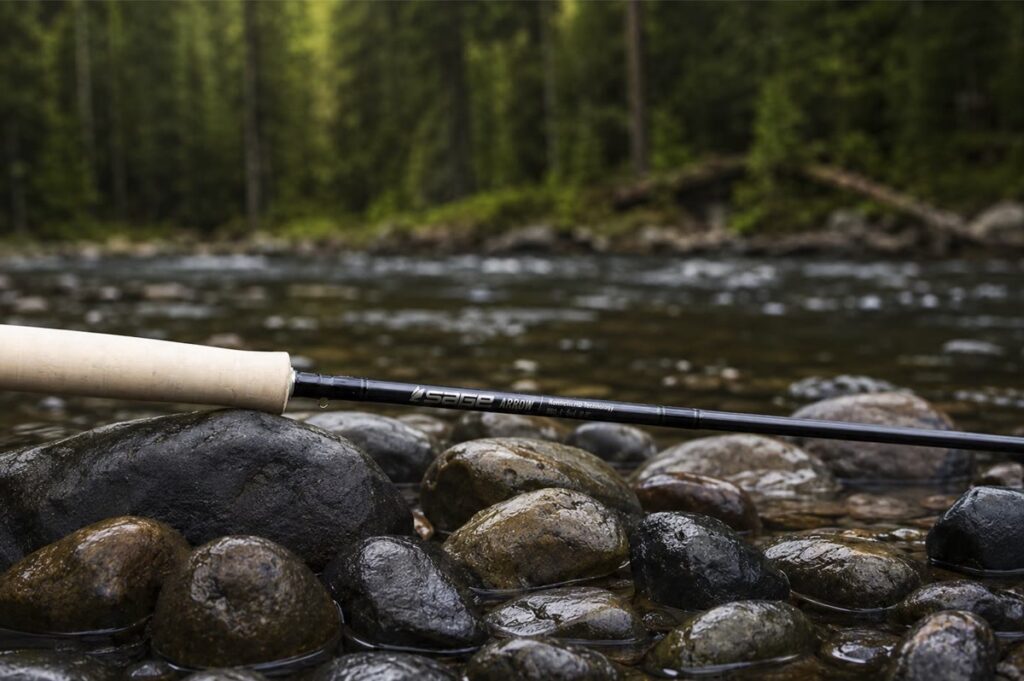
A 9-foot, 5-weight rod covers trout rivers and lakes. A 9-weight handles surf and saltwater from the beach. Shorter rods, 8 feet and under, are actually easier to maneuver in tight bankside spots where a 9-footer catches brush on the backswing. If you’re still figuring out your first setup, our list of the best beginner fly rods covers the team’s hands-on picks at every price point and will save you from buying the wrong thing.
Waders are optional from shore. Wet-wading in summer is comfortable enough on rivers and saves you carrying the extra weight. On a rocky lakeshore or in surf, neoprene booties or waterproof wading boots give you grip and foot protection without a full wader system. If you do wade from shore, check the best fly fishing waders guide before you buy.
Leaders and tippet matter as much from shore as anywhere else. A 9-foot, 4X leader covers most trout situations. Shorten to 7.5 feet in a headwind, lengthen to 12 feet when fish are spooky in clear water. Fly fishing leaders and tippet explained covers the math behind those choices.
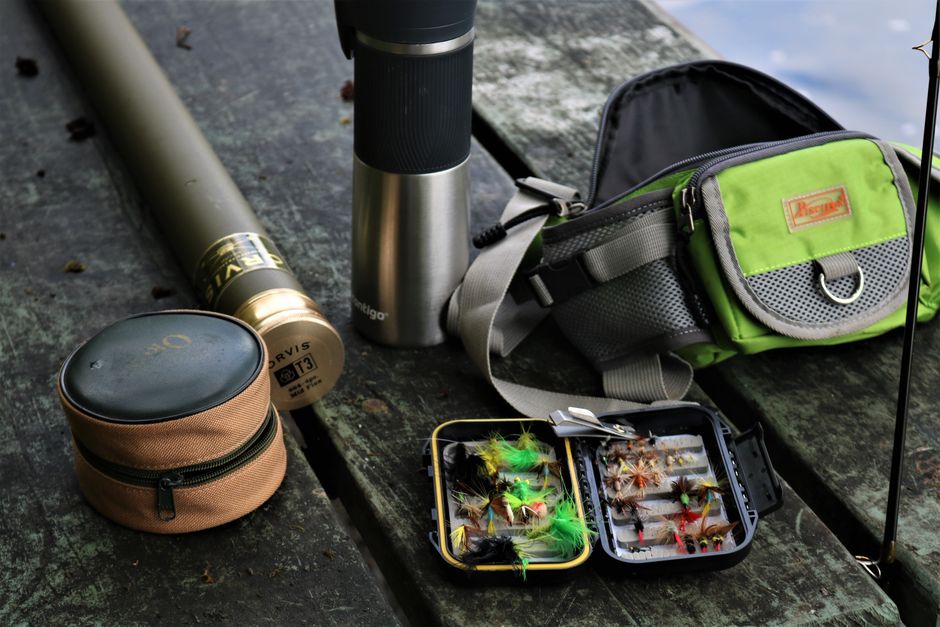
Flies: match what’s in the water. A basic box with a few dry flies, nymphs, and woolly buggers handles river trout from shore. For lakes, add a leech pattern and a hare’s ear nymph. Surf fishing needs clouser minnows and deceiver patterns in size 2 to 1/0.
Yes. Rivers, lakes, ponds, and saltwater beaches all work. The main adjustment is your backcast. A roll cast solves limited space, and shore fishing is often as productive as wading.
No. Waders help when the bank is muddy, the water is cold, or you want to step in slightly. You can fish in regular clothes or wet-wade in warm weather. Saltwater shore fishing often works in shorts and wading boots.
Target the edges where structure concentrates food: the drop-off in a lake, the inside of a river bend, or the tail of a pool below a riffle. Stay low, minimize false casts, and fish your fly parallel to the shore rather than straight out. Early morning and evening give you the most fish activity near the bank.
A 9-foot rod works in most situations. In tight bankside spots with overhead brush, an 8-foot or 8.5-foot rod is easier to control because the tip stays below the branches. For surf, stay at 9 feet to handle the heavier line weights and longer casts the saltwater environment needs.
Amazon and the Amazon logo are trademarks of Amazon.com, Inc, or its affiliates.
As a part of the Amazon Associates Program and other affiliate programs, Into Fly Fishing® may receive a comission if you order products through links on this website.