As an Amazon Associate I earn from qualifying purchases.
Delaware River Guide
Fly Fishing Rivers
In Delaware
Choose a stocked trout stream or a smallmouth creek, then plan your access, season, and first presentation.
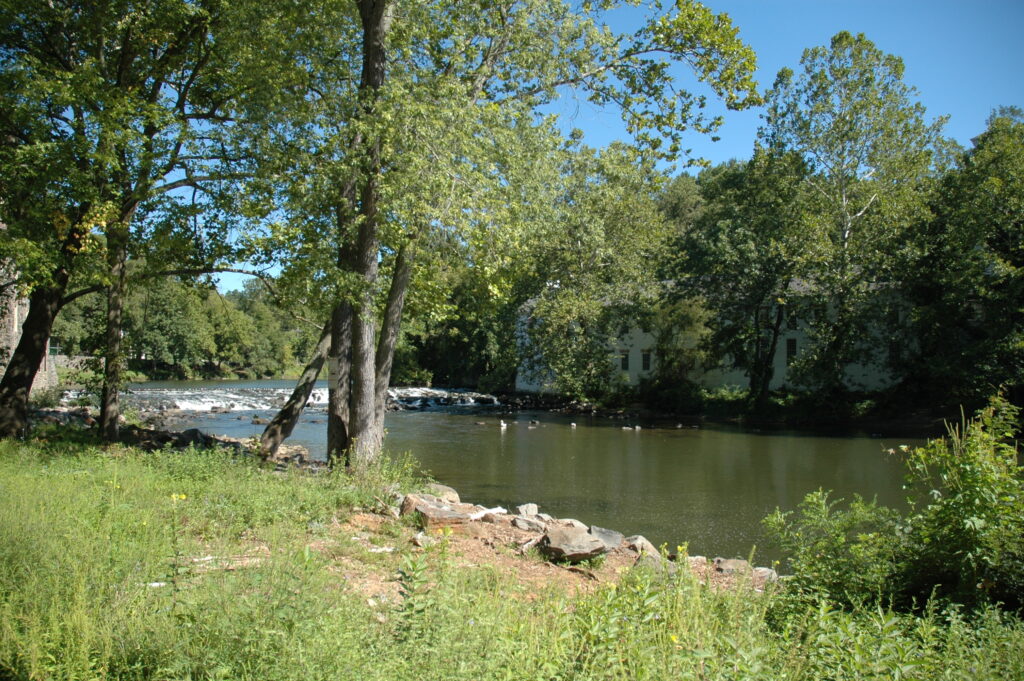
Brandywine Creek at Hagley Museum. Photo: Littleinfo, public domain.
Fly fishing rivers in Delaware starts with a fairly simple choice. White Clay Creek is the main stocked-trout option, with a designated fly-fishing-only reach on the Delaware side. Brandywine Creek gives you a smallmouth alternative, while Red Clay Creek adds another spring trout choice.
I fish wet and dry flies for trout on my local rivers. For Delaware, choose the season and access first, then bring flies that let you change presentations. Summer warmth limits the trout fishing here, so the right water for an April visit may be a poor choice for a July afternoon.
This guide focuses on White Clay Creek and two useful nearby alternatives. The details below refer to Delaware, including the state line on White Clay. If your plans take you into Pennsylvania, you will need to use Pennsylvania’s fishing rules. No Delaware restriction in this guide carries across that boundary.
Where should you start? Choose White Clay Creek for a trip built around seasonal stocked trout. Consider Red Clay Creek for its shorter fly-only reach, or Brandywine Creek State Park if smallmouth bass are your target.
Choose Your Delaware Water
The useful difference between these waters is what you want to fish for and how the season affects that choice. Start here, then use the access and reach details below.
Water
Consider It For
Plan Around
Seasonal stocked trout and a Delaware fly-only section.
Spring stocking, supplemental fall stocking, and the boundary above Thompson Bridge.
Another spring-stocked trout stream with a short fly-only section.
The restricted reach runs downstream from Yorklyn Road to the Auburn Valley State Park boundary.
Smallmouth bass, with fishing available in Brandywine Creek State Park.
Plan a bass outing and choose your bank access within the park.
Delaware Trout Fishing
White Clay Creek
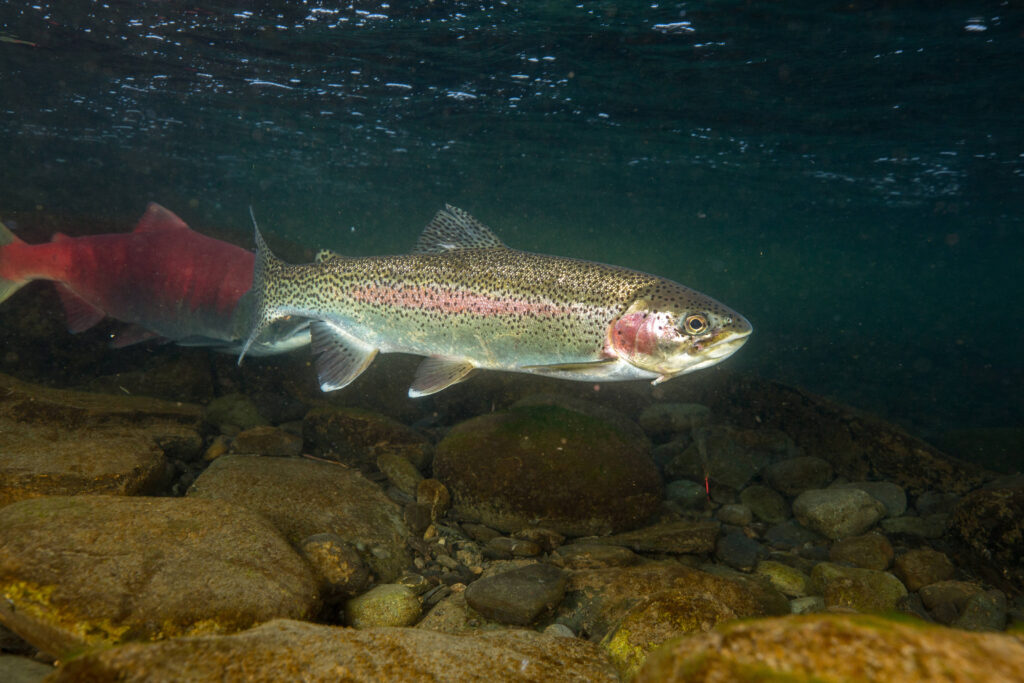
White Clay Creek is Delaware’s most heavily stocked trout water. Start here for a visit centered on trout, particularly when the spring stocking season lines up with your trip. There is also supplemental fall stocking, which gives you another season to plan around.
Start On The Delaware Side
You can fish the creek within White Clay Creek State Park. Use the park map to choose a creek access before you leave, and keep the state line in view as you plan your walk. White Clay Creek Preserve in Pennsylvania is a different jurisdiction, even though the creek continues across the border.
For a first visit near the fly-only section, start with the Chambers Rock Road parking lot at Thompson Bridge. Identify the lot and bridge on the park map, then locate the restricted-water boundary upstream when you arrive. Settle those details before putting the rod together so your first walk follows the reach you intend to fish.
The Delaware park currently opens at 8 a.m. and closes at sunset. Its listed daily vehicle entrance fee is $5 for a Delaware-registered vehicle and $10 for a vehicle registered elsewhere; walking or biking in is free.
Those hours matter if you are planning an early start through the park. Legal fishing hours do not give you permission to enter a closed park.
Find The Fly-Fishing-Only Section
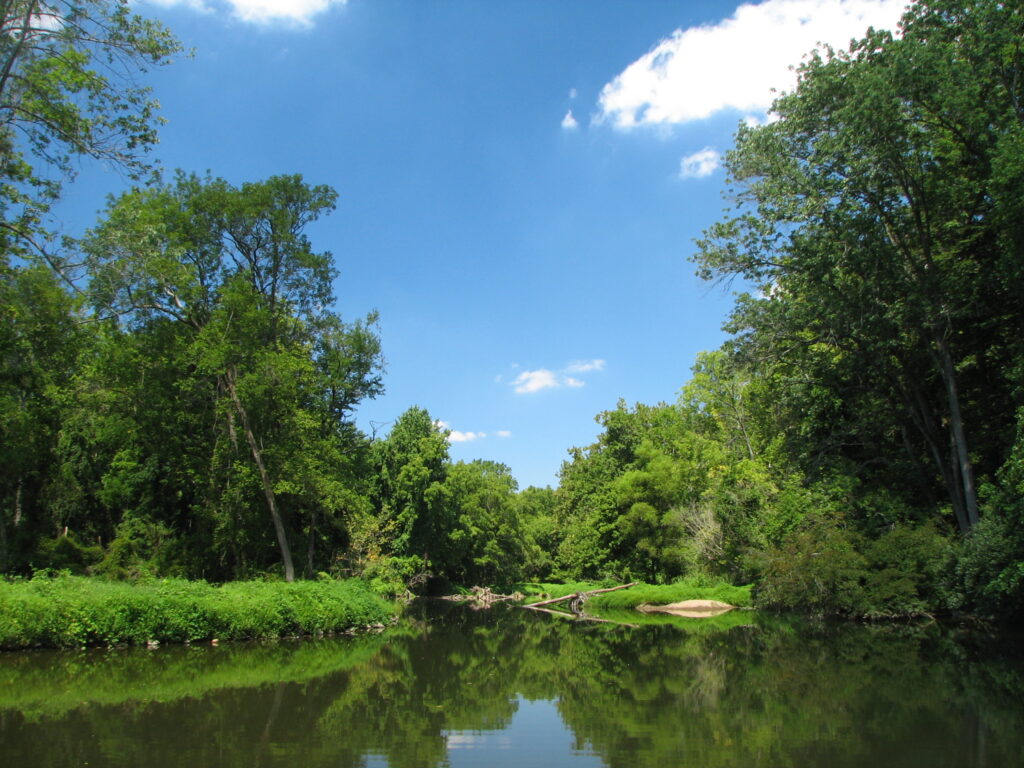
The designated Delaware trout reach extends from the Pennsylvania line downstream to the downstream side of Paper Mill Road. Within it, the fly-only section begins 25 yards above Thompson Bridge at Chambers Rock Road and continues upstream to Pennsylvania. The bridge itself is not the boundary, so give that 25-yard distinction some attention before you rig up.
In the restricted section, use a fly rod and artificial flies with one single-point hook each. You can have no more than two flies on your line.
Bait and the spinners, spoons, lures, and plugs listed in DNREC’s rule are prohibited. A simple single-fly setup is an easy starting point if you are still getting comfortable casting and managing a drift.
Choose Your White Clay Reach
Upstream Fly-Only Water
From 25 yards above Thompson Bridge at Chambers Rock Road upstream to the Pennsylvania line, use the restricted fly-fishing rules.
The Wider Trout Reach
The designated Delaware trout reach continues downstream to the downstream side of Paper Mill Road. It is longer than the fly-only section.
At The State Line
Stop applying Delaware rules when you cross into Pennsylvania. Choose your access and license for the side you intend to fish.
You can keep trout in this fly-only section. The trout possession limit is four on a restricted trout stream, and you cannot possess more than four within 50 feet of it.
You may continue fishing after reaching that limit only if you immediately release additional trout with the least possible injury. Keep the possession limit in mind before moving between creek sections with fish you have kept.
Fish The Stocked Season
Spring stocking is the main starting point for this trout trip, with a separate supplemental stocking in fall. Choose one of those seasons before arranging the fishing day. Check the current stocking notice after making that choice, because a seasonal program does not tell you whether fish have already been stocked for your particular date.
Delaware’s stream temperatures are marginal for trout survival in summer. If your visit falls in hot weather, consider Brandywine smallmouth instead of expecting the trout fishing available after spring stocking.
Choose A Presentation
Carry both dry flies and nymphs for White Clay. A small selection gives you two different ways to fish without turning every stop into a long search through the fly box. The Pheasant Tail nymph and Elk Hair Caddis dry fly are reasonable patterns to include. Start with the presentation that fits the feeding you can observe.
If you see a trout rise, identify the lane it is feeding in before making the cast. Land your dry fly upstream of the rise and let it drift toward the fish.
The useful comparison is with the foam or other material already traveling on the surface: watch for your fly pulling ahead or dragging across the current. Work on that drift before assuming you need a different pattern.
A dry-dropper gives you a second approach. The dry stays on the surface while the nymph sinks and drifts below it, so you can follow the visible fly as the subsurface one moves through the water.
Allow room upstream for the nymph to sink. Dropping the whole rig directly onto the spot you want to fish gives it less time to reach that part of the drift.
In the restricted reach, one dry and one nymph already uses the two-fly allowance. Start with that or a single fly, then spend the next few casts improving the presentation. Our guide to reading water for trout explains how to recognize useful feeding lanes and follow a drift.
Red Clay Creek: Another Fly-Only Reach
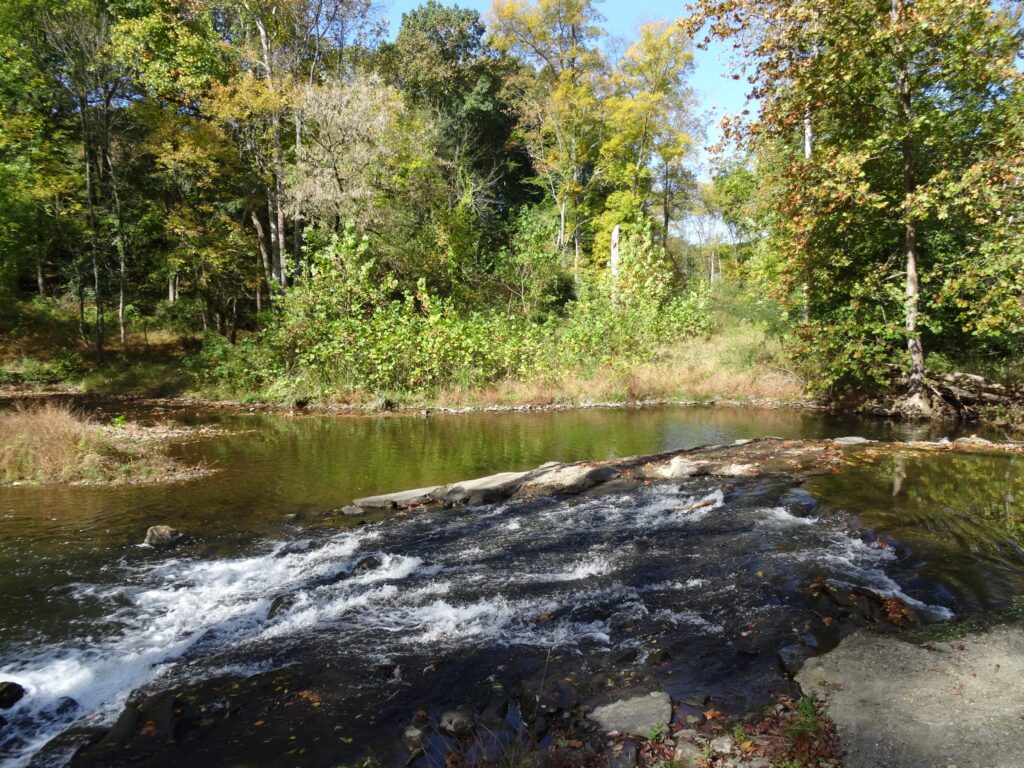
Red Clay Creek is another spring-stocked trout option. Choose it when the Yorklyn area fits your route or you want to try a shorter fly-only reach. The restricted section is only about 0.4 mile long, so plan around that specific stretch.
The designated trout water starts at the dam just below the Pennsylvania-Delaware boundary and extends downstream to the Auburn Valley State Park boundary beside Creek Road.
The fly-only part is smaller: it starts on the downstream side of Yorklyn Road and ends at that same park boundary. Use DNREC’s Red Clay reach description to identify the endpoints, then follow the posted access on the ground.
The restricted-water tackle and possession rules are the same ones described for White Clay: a fly rod, single-point artificial flies, no more than two flies on the line, and a four-trout possession limit.
If you are switching between the two creeks, the practical task is to locate the restricted reach each time rather than assuming the whole creek follows one rule.
Keep Red Clay as a spring trout option. The supplemental fall stocking described here applies to White Clay. And a stocked reach does not make every route to the bank public. DNREC notes that much of the designated-stream access crosses private property, so stay on permitted access and respect property boundaries.
Brandywine Creek: Plan For Smallmouth
For a smallmouth day, I would start with Brandywine Creek. You can fish the creek in Brandywine Creek State Park. It gives you a bass option to build into a visit that would otherwise center on seasonal trout.
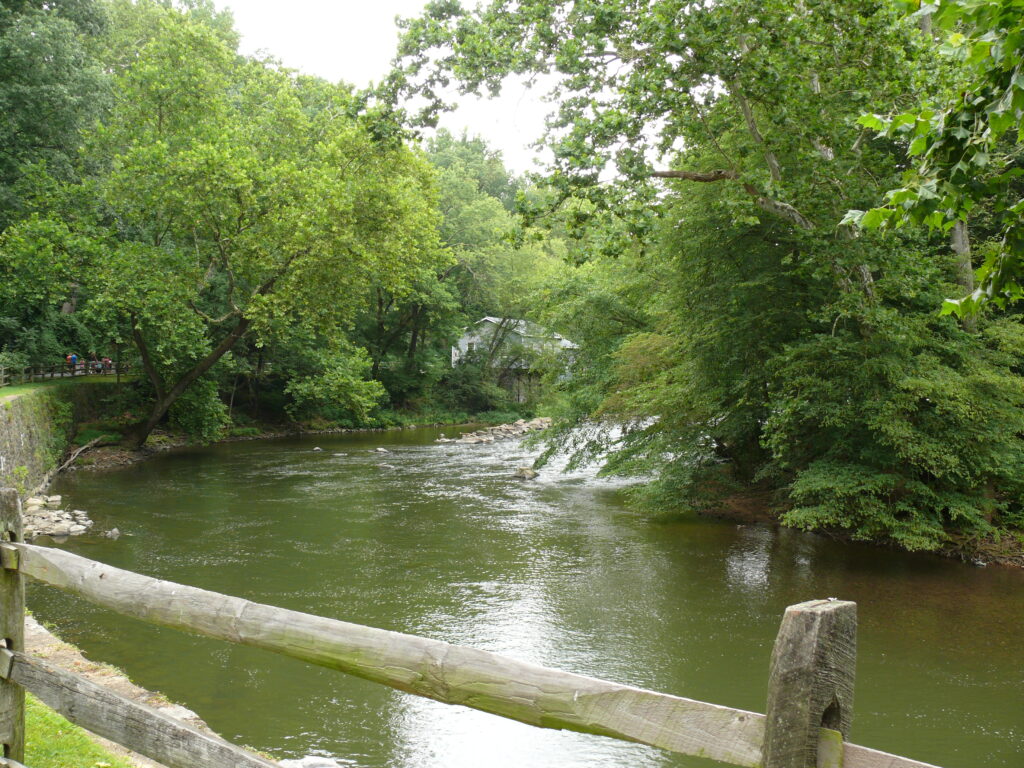
Before rigging up at a park access, check the space behind your intended casting position. If branches restrict the backcast, move to a position where you can manage the line comfortably. Work out that casting space from the bank before considering a wade.
Polarized glasses can reduce the glare reflected from the water, which helps when you are trying to see beneath the surface reflections. If you need a pair, KastKing Skidaway polarized sunglasses are one option. Keep them handy while watching the water from the bank.
For a summer visit, the change from trout to smallmouth affects the fly selection as well as the destination.
Bring Flies That Suggest Smallmouth Food
Fish and crayfish imitations are useful choices for this bass plan. A baitfish-style swimming fly and a crayfish pattern give you different ways to approach the creek, so pack both alongside any trout flies you need for another creek.
Think about what you want the fly to represent before making the cast. With a swimming fly, the task is to suggest a small fish moving through the water; with a crayfish imitation, it is to suggest food moving near the bottom.
Watch how the fly moves during the first few casts, then adjust the presentation before switching to another pattern.
Our smallmouth bass fly guide gives you patterns to compare for that box. Use it to choose a few food imitations, then compare their movement in the section you reach.
Plan Your Delaware Fishing Day
Choose The Season Before The Fly
Plan a trout outing around spring stocking or White Clay’s supplemental fall stocking. For a summer visit, consider Brandywine smallmouth. The comparison below keeps those choices together while you decide where to spend the fishing day.

Match Your Trip To The Season
Spring: Stocked Trout
White Clay and Red Clay receive spring trout stocking. Plan around the trout opener and designated-stream closure.
Summer: Consider Smallmouth
Summer warmth limits stocked-stream trout fishing. Brandywine offers a smallmouth alternative.
Fall: White Clay Trout
White Clay has supplemental fall stocking. Use the current notice to plan the date rather than assuming stocking has already happened.
Designated trout streams close to all fishing during the two weeks before the spring trout-season opener. That includes a visit when you intended to release every fish. Check the current year’s opening date before booking a spring fishing day, then make sure the access you want is open when you intend to arrive.
Sort Out The Trout Stamp And Access
Delaware has designated spring and fall trout-stamp periods for its trout streams. Whether you need the stamp depends on the state’s age and residency rules. Check the current stamp periods and requirements when arranging your fishing license, especially if adults and children are fishing together.
Keep the park entrance arrangements separate from your fishing paperwork. At White Clay Creek State Park, an early legal fishing time does not move the 8 a.m. park opening. If your day depends on entering through that park, build your departure time around its hours and allow for the walk to the creek.
Keep Your Fly Selection Manageable
For White Clay trout, organize a small group of nymphs separately from the dry flies. That makes the choice at the water easier to see, and it leaves room to adjust after you have watched the creek.

Choose Your First Presentation
A Trout Rises
Cast a dry fly upstream of the feeding fish and let it drift through the lane. Watch its speed against the surface current.
Try Beneath The Surface
A dry-dropper lets a nymph sink below the visible dry. Allow the nymph time to sink during the drift, and keep within the two-fly limit.
You Are Targeting Smallmouth
Bring a swimming fly that suggests a small fish or a crayfish imitation. Choose the presentation for bass rather than copying the trout setup.
If either method is new to you, our guides to fishing nymphs and dry-fly fishing explain the setups in more detail.
Pack For The Plan You Chose
If you need a box for the trout selection, the SF slim fly box two-pack is one option. Use the two boxes to keep dries and nymphs separate, or to separate the trout selection from the flies packed for Brandywine. If your current box holds that selection comfortably, bring it.
Changing flies and retying knots gradually shortens the tippet at the end of your leader. Bring spare material so you can replace that section without discarding the whole tapered leader. The SF fluorocarbon 3X, 4X, and 5X combo gives you those three sizes as a packing option. Choose the size for the fly and presentation you are using.
If you are still choosing a rod for the trout part of the trip, use our trout fly rod guide to compare the options. Compare the fly sizes and presentations you intend to use with the outfit you already own before buying another rod.
Delaware River Questions
Only part of the Delaware trout reach is fly-only: from 25 yards above Thompson Bridge at Chambers Rock Road upstream to the Pennsylvania line. The larger designated trout reach extends downstream to the downstream side of Paper Mill Road.
Yes. Delaware’s restricted trout streams have a four-trout possession limit, which also applies within 50 feet of the restricted stream. If you keep fishing after reaching the limit, immediately release additional trout with the least possible injury.
Plan around seasonal stocking rather than expecting the same trout opportunity all year. White Clay receives spring and supplemental fall stocking, while summer stream temperatures limit trout survival. Brandywine smallmouth are another option to consider for a warm-weather trip.
No. This guide covers White Clay, Red Clay, and Brandywine creeks in the state of Delaware. For an upper Delaware River trip, use a guide to that river and its named reaches. Do not apply these Delaware creek access and trout rules to a different destination.
Where I Would Start
For a first Delaware trout trip, I would begin at the Chambers Rock Road access on White Clay Creek during a stocked season. Work out which side of the fly-only boundary you intend to fish, bring both dry flies and nymphs, and leave enough time to watch the water before changing the whole fly box.
For a summer visit, make Brandywine Creek State Park the smallmouth option and pack a few fish and crayfish imitations. Choose the access before leaving so you can spend the morning fishing rather than driving between entrances.
Save This Fishing Guide For Later


Amazon and the Amazon logo are trademarks of Amazon.com, Inc, or its affiliates.
As a part of the Amazon Associates Program and other affiliate programs, Into Fly Fishing® may receive a comission if you order products through links on this website.