As an Amazon Associate I earn from qualifying purchases.
WYOMING RIVER DIRECTORY
Fly Fishing Rivers
In Wyoming
Compare 26 Wyoming rivers and creeks, from Yellowstone’s meadow water to the North Platte’s separate tailwaters.
Choose Your Wyoming Water
I spent a summer working at a youth camp in northern Wyoming and used those three months to explore the state with a fly rod. Those months started a lasting love of fly fishing, and I’ve returned to Wyoming for more fishing trips since.
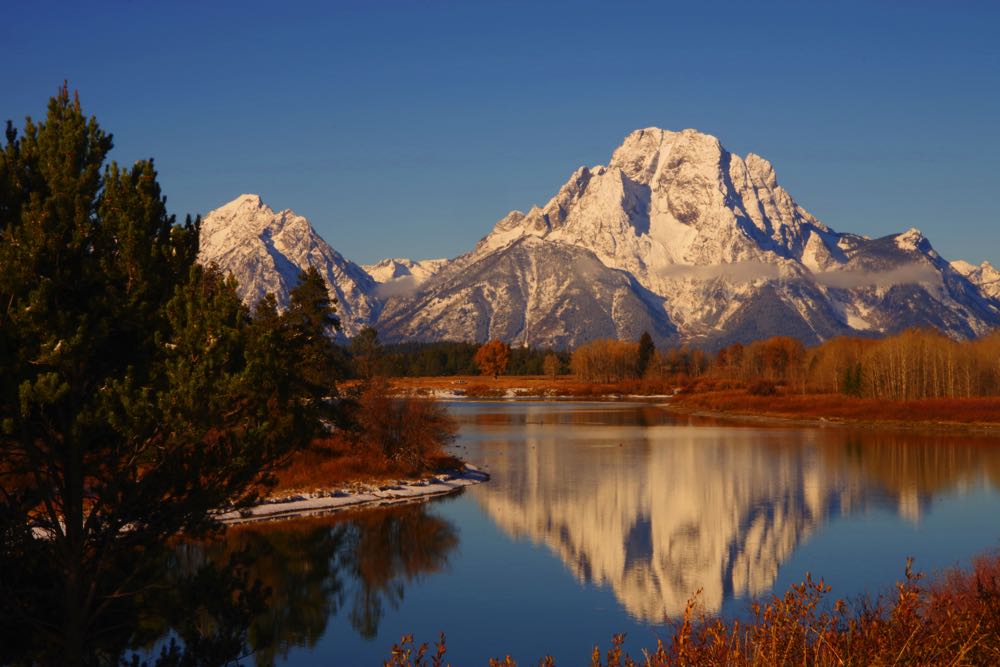
Quick Answer: For a day on foot, start by comparing Slough Creek’s meadow walk with Flat Creek’s technical fishing near Jackson. For a guided boat trip, look at the Snake or the Bighorn around Thermopolis. On the North Platte, choose between the Miracle Mile and Grey Reef before booking.
For lakes, seasons, and broader trip planning, read the Wyoming fly fishing overview.
The Wyoming River Directory
Open a river profile for more detail, or use the menu to compare all 26 waters. The shorter entries give you additional rivers to consider once you know which fish or fishing style interests you.
The Firehole River
The Firehole runs through Yellowstone’s geyser country and holds brown, brook, and rainbow trout. It belongs on a park fishing itinerary for the setting as much as the fish: the river passes through the Upper Geyser Basin before continuing toward Madison Junction.
Compare Three Yellowstone Fishing Days
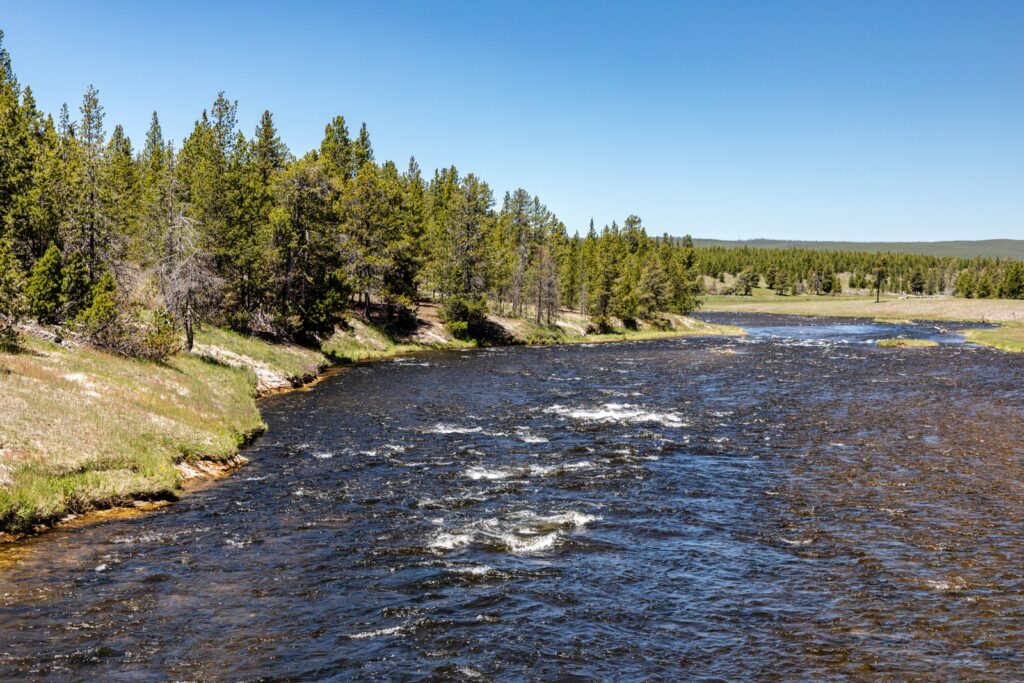
Firehole River
Fish in Yellowstone’s geyser country.
Lamar River
Choose its meadow reaches in Lamar Valley.
Slough Creek
Include the uphill walk to the first meadow in your day.
Choose the setting and amount of walking that appeal to you.
Soft hackles are a useful addition to the fly box here. Carry them alongside the dry flies you choose for the day’s hatch. If you need another box, compare the SF slim fly box with the storage you already use.
At Madison Junction, the Firehole joins the Gibbon to form the Madison. The Firehole, Madison, and Gibbon below Gibbon Falls are fly-fishing-only waters. Check current park conditions before choosing your fishing day.
The Snake River
The Snake around Jackson Hole is a good starting point if you want a guided day fishing for Snake River fine-spotted cutthroat. Outfitters offer boat trips on this stretch, so you can compare a day afloat with the walk-and-wade fishing on Flat Creek or the Hoback.
When booking, describe how you want to spend the day. Ask whether you’ll cast from the boat throughout the trip or have opportunities to get out and fish. A float trip and a day concentrating on a smaller piece of water suit different anglers.
Slough Creek
Slough Creek combines a fishing day with a hike. Its trail begins with a steep climb toward the first meadow, and reaching the second meadow means walking farther. Yellowstone cutthroat live in the upper meadows.
Allow Time For The Slough Creek Walk
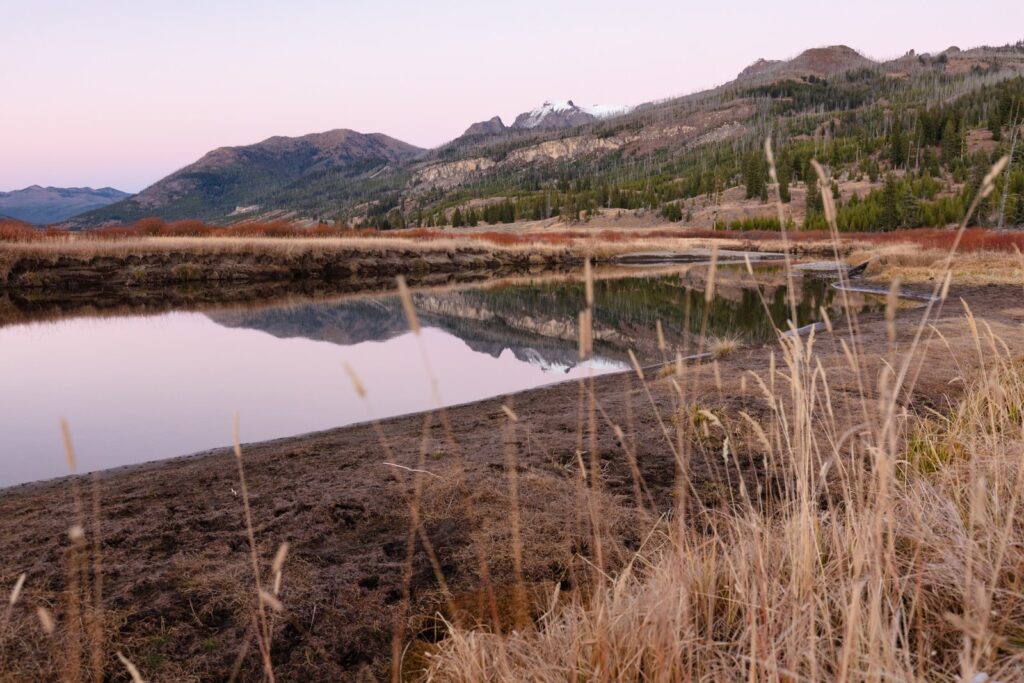
First Meadow
The trail begins with a steep climb.
Second Meadow
Reaching this meadow means continuing farther.
Upper Meadows
Cutthroat live in the second and third meadows.
Leave time to fish as well as walk. Decide on your turnaround time before continuing to another meadow.
Decide how much walking you want before choosing your destination. I’d leave enough time to fish one meadow properly, eat lunch, and make the return walk without rushing. Going farther is only useful if you still have time to enjoy the fishing.
Ant and beetle patterns are worth packing for later-season fishing. Keep them separate from the mayfly imitations you bring for a Lamar River hatch so you can find the right box quickly at the water.
Release native fish unharmed. In the Lamar drainage, including Slough and Soda Butte creeks, rainbow trout, brook trout, and identifiable cutthroat-rainbow hybrids must be killed. Read the Yellowstone fishing rules before you go.
The Lamar River
The Lamar’s meadow reaches in Lamar Valley hold Yellowstone cutthroat trout. Green drakes are among its mayflies, so anglers hoping to fish that hatch should carry suitable imitations and use a current river report to judge their timing.
Pack Flies For The River You Choose
Firehole
Carry soft hackles as a presentation option.

Keep a few with the dry flies you pack for the Firehole.
Lamar
Bring green drake imitations when targeting that hatch.

Match your choice to the hatch you plan to fish.
Slough Creek
Include ant and beetle patterns for later-season fishing.
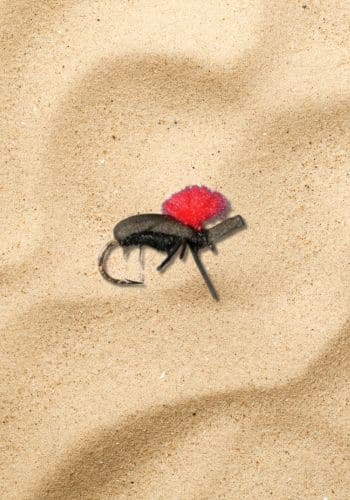
Keep beetles and ants together so you can find them quickly.
These are river-specific starting points. Use the current hatch report to choose the patterns for your fishing day.
Fish identification matters here. Native cutthroat must be released, while rainbow trout, brook trout, and identifiable cutthroat-rainbow hybrids must be killed throughout the Lamar drainage. It is illegal to release those identified nonnative fish alive.
The North Platte River
The Miracle Mile runs below Kortes Dam toward Pathfinder Reservoir and holds brown and rainbow trout. Grey Reef is a separate North Platte tailwater below Grey Reef Dam, with rainbow, brown, and cutthroat trout.
Choose the section before comparing guides or reports. Ask specifically about the Miracle Mile or Grey Reef, then describe whether you want to fish on foot or from a boat.
Flat Creek
Flat Creek runs through the National Elk Refuge outside Jackson and holds Snake River fine-spotted cutthroat. It’s a technical choice where a patient approach and an accurate presentation matter. Guided trips here are on foot.
This is the option I’d choose for a day focused on casting and presentation. Give yourself time to watch before making the first cast, and resist moving straight to the next fish after an unsuccessful attempt. Flat Creek suits that slower plan.
When choosing clothing for a trip on foot, compare Frogg Toggs Canyon II waders if waders are missing from your kit. Owning a pair doesn’t mean you need to step into every reach.
For refuge access and its seasonal windows, use the National Elk Refuge fishing page. Confirm the reach is open before committing to a day here.
The Clarks Fork Of The Yellowstone
The Clarks Fork of the Yellowstone runs through Clarks Fork Canyon. Canyon access can be rugged, which makes the approach a substantial part of choosing a fishing spot.
Plan the approach and return together before choosing a canyon fishing spot. Leave enough time and energy for the route back.
The Encampment River
The Encampment holds brown and rainbow trout and runs through a Wyoming wilderness canyon. National forest and wilderness land along its upper corridor make that part of the river worth investigating for a trip on foot.
Float fishing is also offered on the Encampment. A guided boat trip and a walking day in the upper corridor call for different plans, so make that choice before comparing outings.
The Green River
The upper Green holds rainbow and brown trout, with guided float fishing near Pinedale. It’s worth comparing with the New Fork when you want to spend a day in a boat fishing for those species.
The Bighorn River
At Wedding of the Waters, the Wind River becomes the Bighorn after leaving Wind River Canyon. Around Thermopolis, the Bighorn holds brown and rainbow trout, and outfitters run guided fishing floats.
Specify Thermopolis when looking up guides, river reports, and places to stay. The Montana Bighorn is a different fishing destination.
The Gibbon River
Above Virginia Cascades, restoration has returned westslope cutthroat and grayling to the Gibbon. Consider that reach if those fish interest you.
The fly-fishing-only rule applies to the Gibbon below Gibbon Falls. Keep that boundary separate from Virginia Cascades when planning which part of the river to fish.
The North Fork Of The Shoshone
The North Fork of the Shoshone holds Yellowstone cutthroat and rainbow trout. Compare it with the Greybull if cutthroat are the focus of your trip, or keep it on the list if you’d enjoy fishing for either species.
The Greybull River
The Greybull supports Yellowstone cutthroat trout. It belongs on a cutthroat-focused shortlist alongside the North Fork of the Shoshone and the park’s Lamar and Slough Creek entries.
The Middle Fork Of The Powder River
The Middle Fork of the Powder River passes through canyon country. It’s an option for anglers who want the approach and the landscape to be part of their fishing day. Allow time for the return walk when deciding how far to go.
The Tongue River
The South Tongue River holds brown trout. Concentrate on that fork if browns are your reason for choosing the Tongue. Our Sheridan fishing guide covers the wider area and can help you plan the rest of the visit.
The Wind River
Below Boysen Reservoir, the Wind River enters Wind River Canyon. It continues under the Wind River name until Wedding of the Waters, where it becomes the Bighorn. Keep those two names straight when comparing a canyon outing with the Thermopolis fishing described above.
The Greys River
Greys River Road follows the river from Alpine. The Greys holds Snake River cutthroat trout. Don’t confuse it with the Greybull, which supports Yellowstone cutthroat.
The Salt River
The Salt River flows through Star Valley and holds Snake River cutthroat trout. It’s a destination to consider when planning a cutthroat trip beyond the Snake around Jackson.
The Gros Ventre River
The Gros Ventre holds Snake River cutthroat trout. Within Grand Teton National Park, the river is closed to watercraft. Plan to fish on foot for a park reach, using the park’s boating rules to distinguish it from the Snake.
The Hoback River
The Hoback offers walk-and-wade fishing. Put it beside Flat Creek when comparing a guided outing on foot with a Snake River boat trip. Those choices let you decide how you want to fish before choosing an operator.
The New Fork River
The New Fork holds brown and rainbow trout, and guided float fishing is offered here. Compare that outing with an upper Green float if you’re choosing between the two rivers. Ask how much of the day you’ll spend casting from the boat.
Buffalo Fork
Buffalo Fork supports Snake River cutthroat trout. Its waters inside Grand Teton National Park are closed to watercraft, so don’t carry a Snake River float plan over to this river. Keep the park boundary clear when deciding where to fish.
Pacific Creek
Pacific Creek holds cutthroat trout and is closed to watercraft inside Grand Teton National Park. Plan a park visit on foot and consult the current fishing rules for the exact reach.
The Laramie River
The Big Laramie holds brown and rainbow trout. Monolith is a public fishing access area to investigate when planning a visit. Use that named access as a starting point for the day’s route.
Sand Creek
Sand Creek near Beulah is a trout fishery. Include Beulah in your map search so you’re looking at this Wyoming creek, then identify the access you intend to use before setting out.
Soda Butte Creek
Soda Butte Creek joins the Lamar and holds native Yellowstone cutthroat trout. Release native fish unharmed. Under the Lamar drainage rules, identified rainbow trout, brook trout, and cutthroat-rainbow hybrids must be killed; don’t treat this as blanket catch-and-release water.
Pack For The Fishing Day You Choose
For Slough Creek, put the walking essentials in the pack before adding another fly box: water, lunch, an extra layer, and what you need for the return route. For a guided float, ask what the outfitter supplies so you don’t arrive carrying duplicate equipment.
Check the current Wyoming fishing regulations for state waters. Yellowstone and Grand Teton rules need separate attention on park reaches.
Choose the rod around the fishing you intend to do. Our trout fly rod guide compares the options. Then organize the flies for your chosen river: Firehole soft hackles, Lamar green drake imitations for that hatch, or Slough Creek ants and beetles for later-season fishing.

Include eyewear when checking your kit. The KastKing Skidaway polarized sunglasses are one option to compare if you need a pair. Keep the rest of your packing list specific to the river and the outing you’ve chosen.
Wyoming River Questions
The Snake around Jackson Hole and the Bighorn around Thermopolis both have guided boat-fishing options. The Encampment is another river used for floats. Choose the reach and discuss the proposed fishing day with the operator before booking.
The Snake around Jackson Hole and Flat Creek hold Snake River fine-spotted cutthroat. Yellowstone cutthroat live in the Lamar Valley reach, Slough Creek’s upper meadows, the Greybull, and the North Fork of the Shoshone. Fish identification and harvest rules depend on the water.
Yes, if you want walking to be part of the day. The trail begins with a steep climb toward the first meadow, and the second meadow is farther along. Choose a destination that leaves you time to fish and make the return walk.
No. They are separate North Platte tailwaters. The Miracle Mile runs below Kortes Dam toward Pathfinder Reservoir. Grey Reef begins below Grey Reef Dam. Decide which reach you want before comparing guided trips.
Give Your Wyoming River A Full Day
My summer in northern Wyoming gave me three months to explore with a fly rod, and I’ve been back for more fishing since. I’d take that same approach on a shorter visit: leave room to spend time on the water you choose.
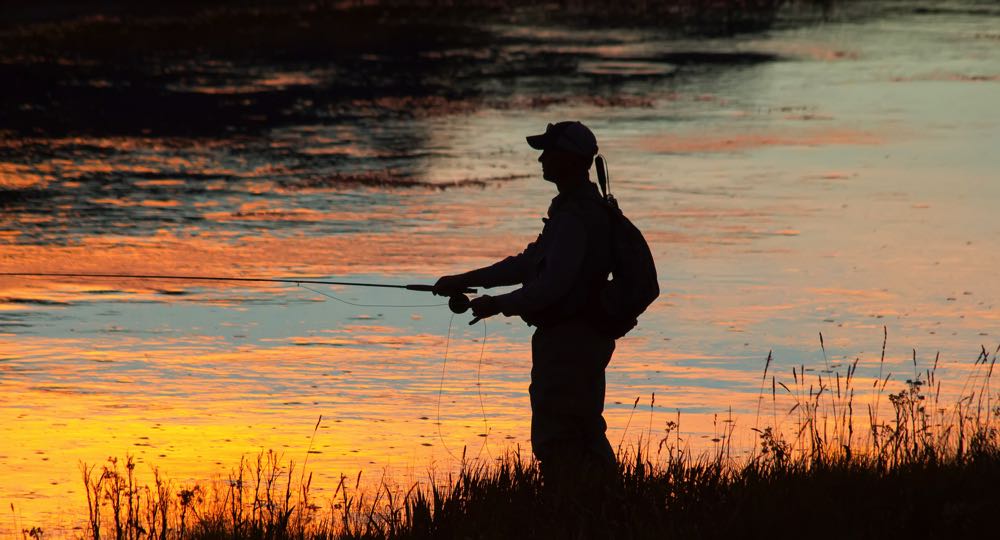
With one day, I’d decide whether I wanted a walk, a technical day on foot, or a guided float, then choose one river around that answer. Slough Creek, Flat Creek, and the Snake offer different outings. Trying to include all three would take time away from the fishing that brought me here.
Use the Wyoming fishing overview for the wider trip, or compare another destination in our United States river guide.
Save This Fishing Guide For Later


Amazon and the Amazon logo are trademarks of Amazon.com, Inc, or its affiliates.
As a part of the Amazon Associates Program and other affiliate programs, Into Fly Fishing® may receive a comission if you order products through links on this website.