As an Amazon Associate I earn from qualifying purchases.
Arkansas Fishing Guide
Fly Fishing Rivers
In Arkansas
Compare trout tailwaters, an upper spring-fed river, and an Ozark smallmouth creek. Choose the water, then plan the access and fishing day.
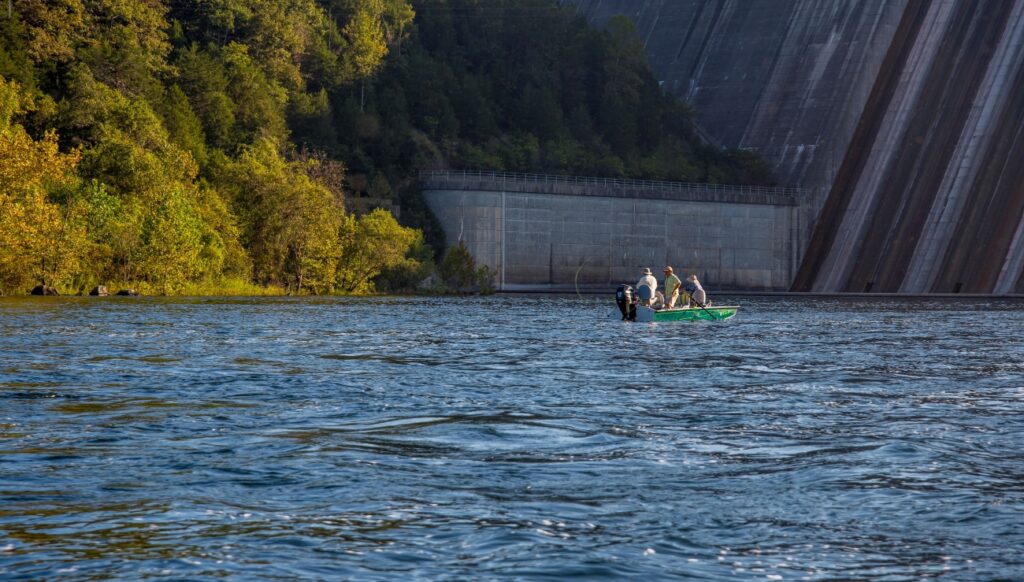
Anglers near Bull Shoals Dam on the Arkansas White River. Photo: Brett Billings/USFWS, public domain.
Fly fishing rivers in Arkansas can mean drifting nymphs below Bull Shoals Dam, waiting for spring caddis on the Norfork, or casting a popper for Crooked Creek smallmouth. The Little Red and upper Spring River add two more trout options, each with its own access points and fishing character.
I’ve spent more than 15 years fly fishing in southern Virginia. For an Arkansas trip, start with the fishing you most enjoy: spring dry flies, a winter streamer outing, or smallmouth on a creek. These waters offer all three, so there is room to build a trip around your preferred method.
The three trout tailwaters need a current generation check. Crooked Creek’s rainfall and water level matter for a float, while the upper Spring River offers named entries around Mammoth Spring. Below, I’ll cover where to start and what to put in the fly box.
Where should you start? Compare the White River around Cotter, the Norfork at River Ridge, and the Little Red at JFK Park for a trout trip. Choose Crooked Creek near Kelley’s Slab for smallmouth, or investigate Cold Springs and Dam 3 on the upper Spring River.
Choose Your Arkansas Water
For trout, compare Cotter on the White, JFK Park on the Little Red, and River Ridge on the Norfork. Crooked Creek is the bass choice; Cold Springs and Dam 3 are useful entries for an upper Spring River trout day.
Water
Consider It For
Plan Around
A Bull Shoals tailwater trout trip, with Cotter as an orientation point.
Choose the specific access and check generation information.
An Ozark smallmouth outing near Yellville.
Start with Kelley’s Slab access and its particular rules.
Greers Ferry tailwater trout near Heber Springs.
Locate JFK Park and check releases before arranging the day.
Trout below Norfork Dam on the North Fork of the White River.
Locate River Ridge access and check current generation.
Upper-river trout near Mammoth Spring.
Compare Cold Springs and Dam 3 access within the managed reach.
Bull Shoals Tailwater
White River
The White below Bull Shoals Dam is a trout tailwater with several reasons to return across the seasons. Nymphing is a practical starting method, spring caddis can bring fish to the surface, and winter offers a streamer option. Cotter is a useful base for working out a first river day.
Start At The White River Ramp In Cotter
Big Spring Park in Cotter has an AGFC boat ramp on the White River. The city identifies the park entrance at Cotter Road, Highway 345, and Big Spring Parkway. This is a concrete place to begin a river visit, whether you are meeting a guide or assessing the public entry.
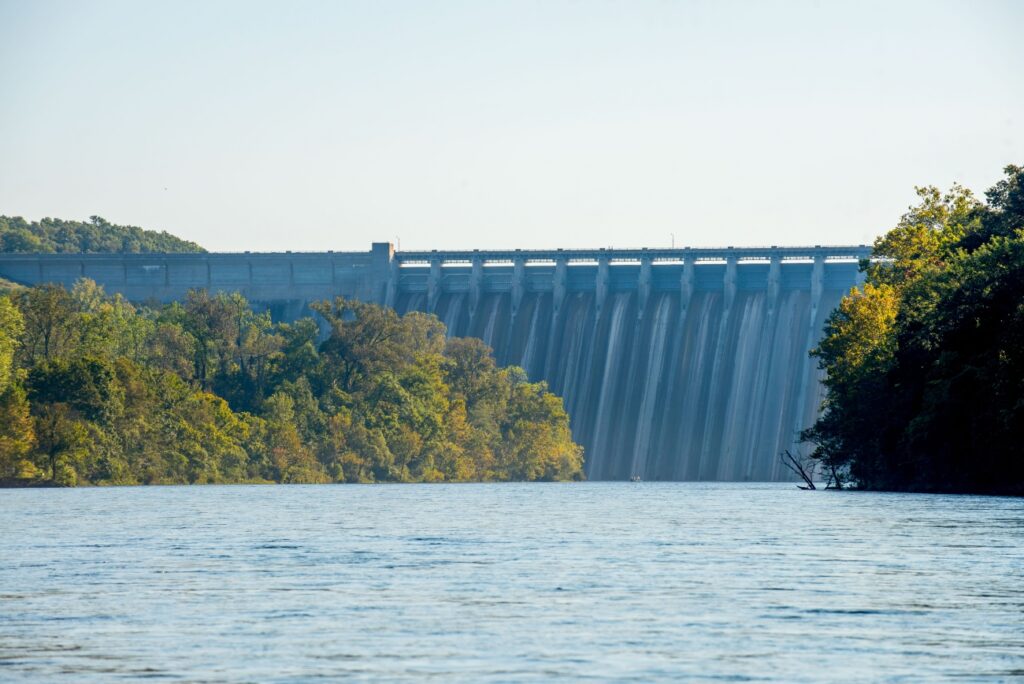
Keep the White River entry separate from Big Spring itself. Fishing in the spring is restricted to accompanied children under 16 and qualifying disabled adults. General visitors should use the lawful White River access rather than treating the spring beside it as another open trout spot.
Nymphs, Spring Caddis, And Winter Streamers
Nymphing is a practical starting approach on the White. Keep the nymph selection handy even on a trip built around dry flies, so you have a subsurface option when you are not seeing rises.
In spring, carry caddis dries and watch for surface feeding. From summer into early fall, hoppers give you another surface option. Those seasonal choices are a useful reason to adjust the box before each White River visit.
For a winter visit, consider a streamer day. Tell a guide if that is the method you want to spend time fishing when arranging the trip. A dedicated streamer outing gives you a different way to approach the White from the spring dry-fly session.
Rim Shoals And The Upper River Rules
The signed Rim Shoals catch-and-release area runs from above the mouth of Jenkins Creek to the first downstream electric power line. Release trout immediately there and use artificial flies or lures with barbless hooking points. That specific reach is useful to identify when arranging a Cotter-area outing.
The first 100 yards below Bull Shoals Dam are closed to fishing, and the area below that buffer has a seasonal closure. Harvest rules also change at Norfork Access before the managed trout reach ends at the Highway 58 bridge at Guion. Use AGFC’s current trout information for the section you intend to fish.
Ozark Smallmouth Fishing
Crooked Creek
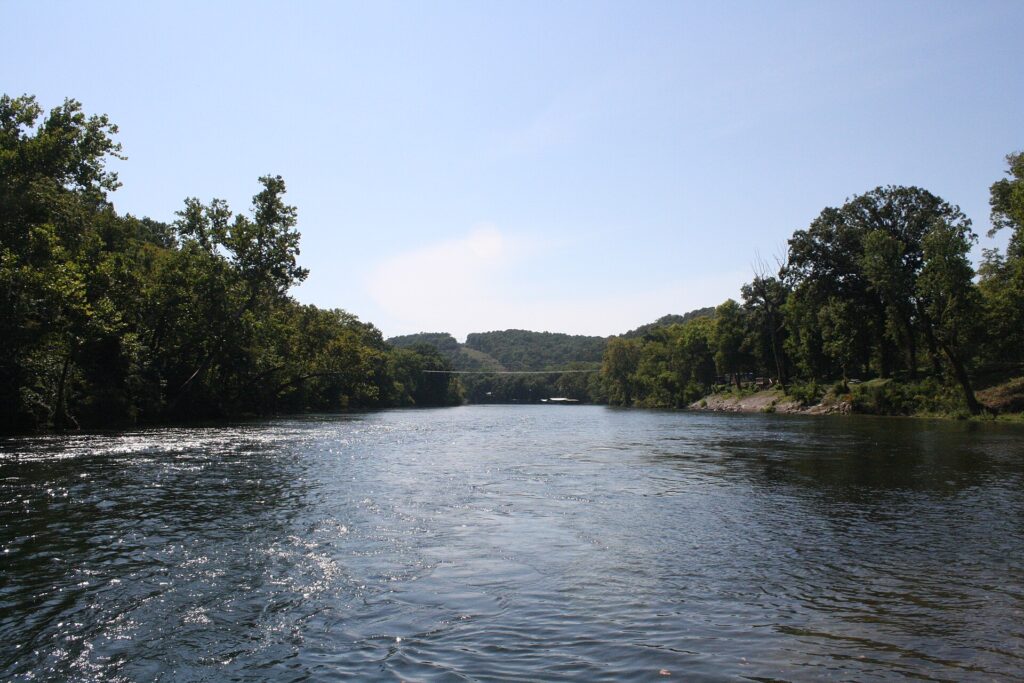
Crooked Creek is the smallmouth water in this guide. It makes a good change of pace from trout tailwaters, especially if you want to fish a popper or work a minnow-imitating streamer. Start with Kelley’s Slab near Yellville, a named access on this Ozark creek.
Kelley’s Slab And A Creek-Sized Outing
Kelley’s Slab is the access associated with the Fred Berry Center. Along the Arkansas Game and Fish Foundation property there, smallmouth must be released immediately. That gives you a defined place to organize a catch-and-release bass outing without needing a long float.

For a float, spring and fall are useful starting seasons. Rainfall and the current level still determine whether the route suits the day. Confirm the entry, takeout, and shuttle arrangements together; a familiar season does not tell you how much water is in the creek.
Try A Popper, Then Go Beneath It
Bring a surface popper and a minnow-imitating streamer. The popper gives you a surface presentation to try first, while the streamer lets you change when fish are not responding up top. Keep both ready so the next move is a change in presentation rather than another similar surface fly.
Add a crayfish imitation to that selection. It offers a different food shape from a swimming minnow pattern. Watch each fly move through a short cast before working farther out, so you know what the retrieve is making it do.
Our smallmouth bass fly guide has patterns to compare. A popper, minnow streamer, and crayfish imitation are enough to give this outing several distinct approaches without carrying every bass fly you own.
Greers Ferry Tailwater
Little Red River
The Little Red below Greers Ferry Dam is a trout tailwater near Heber Springs. Put scud, sowbug, and midge imitations in the box for this river. They give you a specific starting selection for a trout day near the dam, with JFK Park as a named public access area.
JFK Park And Its Signed Fishing Reach
At JFK Park, identify the catch-and-release signs before rigging up. The special area begins below the dam’s 100-yard no-fishing buffer and continues to the last hatchery outflow in the park. Within it, release trout immediately and use artificial flies or lures with barbless hooking points.
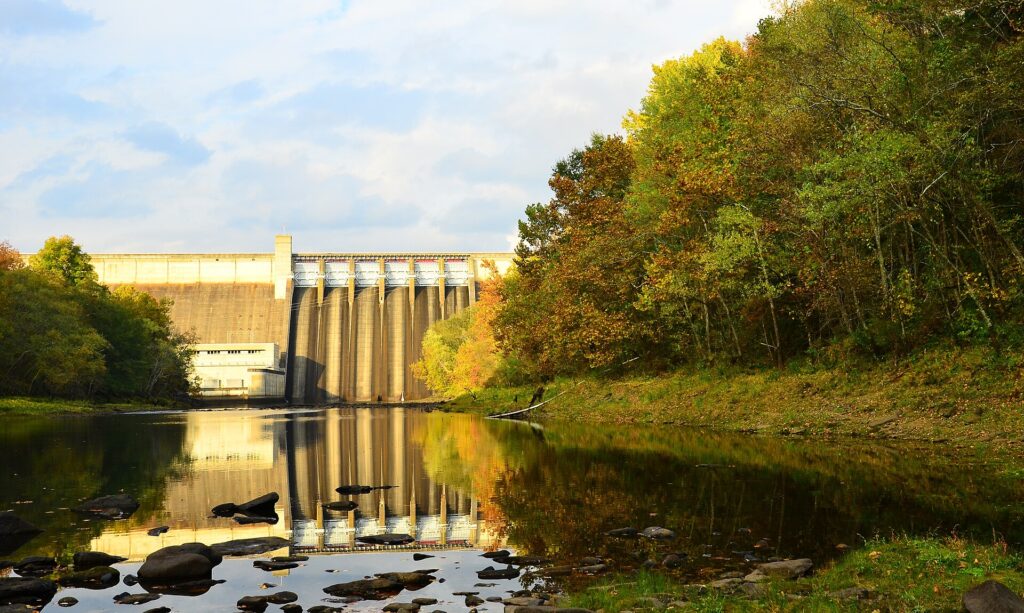
The broader regulated trout reach continues to the Highway 305 bridge. A trout permit is required to fish it. The park’s access and signed special reach make JFK a practical starting point, but its rules should not be carried unchanged to every other Little Red entry.
Work The Subsurface Food First
Scud and sowbug imitations belong in the Little Red subsurface selection, particularly for the water near Greers Ferry. Put them where they are easy to reach in the box; they are a more useful starting choice here than an assortment chosen only for surface fishing.
Midge imitations give you another option to carry. Keep an eye on surface activity while fishing below it, so a change in feeding can guide your next presentation. The combination of scuds, sowbugs, and midges gives the Little Red box a clear focus.
Farther Along The Little Red
Cow Shoals and Mossy Shoals have separate signed catch-and-release areas. Cow Shoals has a nighttime closure and permits only a single barbless hooking point per pole. That distinction matters if you leave JFK for another session: check the new reach before keeping the same rig or planning to stay late.
North Fork Of The White Tailwater
Norfork River
The Norfork trout tailwater runs from Norfork Dam to the White River confluence. Spring caddis can make it a dry-fly option, with River Ridge and Quarry Park as two named places to investigate access. Pick one entry for the first session and keep the current dam release information handy.
River Ridge Or Quarry Park
River Ridge is also labeled Bill Ackerman walk-in access. It is the downstream endpoint of the signed catch-and-release area that begins at the downstream end of Long Hole. Release trout immediately in that reach and use artificial flies or lures with barbless hooking points.
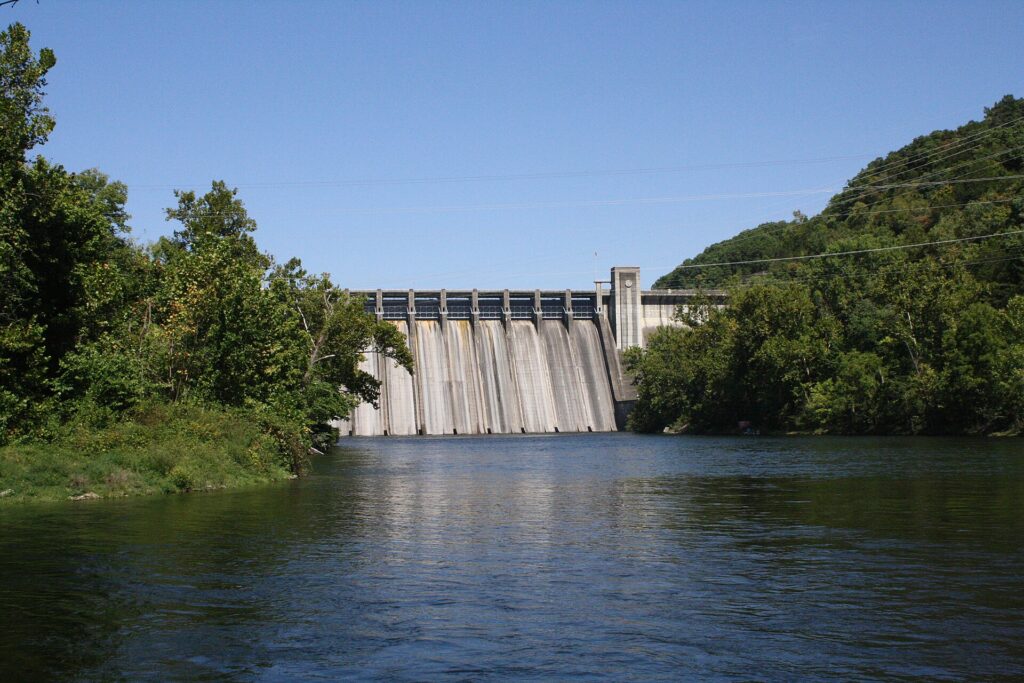
Quarry Park is another access below Norfork Dam. The first 100 yards below the dam are closed to fishing, and a trout permit is required in the regulated tailwater. River Ridge and Quarry Park are useful named alternatives; use the marked route and reach at the one you visit.
Bring A Caddis Dry For A Spring Visit
Bring caddis dries for a spring Norfork visit. Watch for rising fish before making the change to the surface. This gives you a specific seasonal reason to include the Norfork alongside a White River trout trip.
Upper River Near Mammoth Spring
Spring River
The upper Spring River is the trout option around Mammoth Spring. The managed fishery extends from 100 yards below Dam No. 1 at the state park to Myatt Creek. Cold Springs and Dam 3 are named public entries off U.S. 63 between Hardy and Mammoth Spring.
Cold Springs And Dam 3
Cold Springs is worth a close look if someone in the group needs easier access: the official guidebook lists a fishing pier for anglers with limited mobility there. Dam 3 offers another named entry for an upper-river session. Compare the actual access arrangements when deciding where to meet.
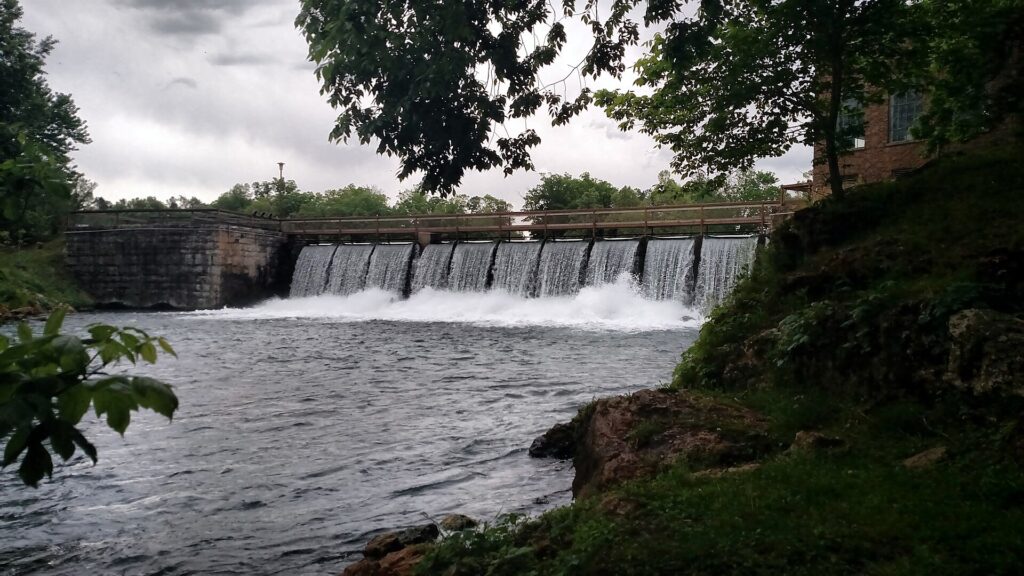
A trout permit is required in the regulated upper reach. Spring River also has its own trout and smallmouth rules, and the South Fork’s smallmouth rule differs from the main river. Use the exact water name in the current guidebook if you intend to keep fish.
Dry Flies And Nymphs For The Upper River
Carry dry flies and nymphs for an upper Spring River session. Having both lets you work beneath the surface and change to a dry when feeding becomes visible. You can use the same basic trout outfit for these two approaches and concentrate on the presentation.
Plan An Arkansas Fishing Day
Read The Release Schedule Correctly
On the White, Norfork, and Little Red, generation can quickly change depth, speed, and access. Check the SWPA schedule for the relevant dam, then current conditions before entering. The schedule is a day-ahead estimate; leave enough time and a clear route to exit if conditions change.
Three Checks For A Tailwater Day
Choose The Dam
Use Bull Shoals for the White, Norfork for its tailwater, and Greers Ferry for the Little Red.
Read The Time Column
SWPA uses “Hour Ending.” A row marked 8 describes the period from 7 a.m. to 8 a.m.
Recheck At The River
A forecast can change. Keep time and a clear route to leave the water if conditions change.
AGFC also points anglers to the USACE Little Rock app for current lake levels, releases, and forecasts. Use current release information alongside the day-ahead prediction when arranging a tailwater visit.
Keep Current Rules With The Access Map
Current AGFC trout restrictions respond to hatchery production losses and remain in place until further notice. Before a visit, use the current trout page alongside the guidebook. This is especially relevant to older articles describing stocking routines or harvest limits.
Match The Season To The Method
For White River surface fishing, consider spring caddis or a summer hopper trip. Winter streamers offer a different trout day. For Crooked Creek smallmouth, spring and fall are useful starting seasons, with the current water level deciding whether a particular float works.
Choose A Seasonal Starting Point
White River: Spring Dries
Carry dry flies for spring and early-summer opportunities. Watch for feeding before changing the presentation.
White River: Hoppers Or Streamers
Summer into early fall gives you a hopper option; winter streamers offer a different kind of trout day.
Crooked Creek: Spring And Fall
Consider these seasons for smallmouth, then use rainfall and current level to assess the float you are planning.
A spring itinerary could combine White or Norfork caddis fishing with a Crooked Creek smallmouth day. Pack the two fly selections separately and keep the creek’s float arrangements distinct from the tailwater access.
Build A Small Fly Selection
A Little Red box should include scuds, sowbugs, and midges. For spring on the White or Norfork, add caddis dries. Crooked Creek needs its own bass selection: a popper, minnow streamer, and crayfish imitation.

Choose Your Next Presentation
A Trout Rises
Land the dry fly upstream and let it drift through the feeding lane. Compare it with the surface current.
Fish Below The Surface
Use a nymph presentation; on the Little Red, include scud and sowbug imitations in the selection.
Change The Smallmouth Offer
Switch among a popper, minnow streamer, and crayfish imitation to try different presentations on Crooked Creek.
For a rising trout, cast the dry upstream and let it drift toward the fish. Compare its speed with nearby foam. If it pulls ahead or cuts across the current, improve the drift before changing the fly.
With a dry-dropper, the dry stays visible while the nymph sinks below it. Start the drift upstream of the place you want to cover so the nymph has time to sink. Landing directly on that spot can shorten the useful part of the drift.
Our guides to reading trout water, fishing nymphs, and dry-fly fishing explain these methods in more detail. Use the river-specific fly choices above with the presentation that fits the feeding you can see.
The SF slim fly box two-pack is one option for separating the trout and bass selections. Keep the flies you expect to change between together, so the next pattern is easy to find at the water.
Pack For Watching The Water And Changing Flies
Polarized glasses can reduce reflected glare while you watch the water. The KastKing Skidaway polarized sunglasses are one option if you need a pair. Use them to help see beneath surface reflections while choosing where to cast.
Changing flies and retying knots gradually shortens your tippet. Bring spare material so you can replace the end section without throwing away the tapered leader. The SF fluorocarbon 3X, 4X, and 5X combo provides those three sizes as an option; choose the size for your fly and presentation.
For the trout outfit, our trout fly rod guide compares the options. Match the rod to the flies you expect to cast, especially if a winter streamer day is the main reason for the trip.
Arkansas River Questions
For a trout trip, compare the White at Cotter, the Norfork at River Ridge, and the Little Red at JFK Park, then check releases for the particular dam. For smallmouth, start by looking at Kelley’s Slab on Crooked Creek. Cold Springs and Dam 3 give you named upper Spring River options.
A generation forecast does not establish whether a particular wade is suitable. SWPA schedules are estimates, releases can change, and depth and access can change with them. Recheck current information and the conditions at your entry, and keep enough time and a clear route to leave.
The regulated Bull Shoals, Norfork, Greers Ferry, and upper Spring River trout reaches require a trout permit to fish. Check AGFC’s current license and permit requirements for your age and circumstances, as well as the boundaries of the reach you plan to enter.
Crooked Creek is the smallmouth choice in this guide. Kelley’s Slab is a named access near Yellville, and smallmouth must be released along the Arkansas Game and Fish Foundation property there. Bring a popper, a minnow-imitating streamer, and a crayfish option.
Where I Would Start
For a first trout visit, I would start with the White River entry at Cotter or JFK Park on the Little Red. Cotter suits a trip built around seasonal White River methods; JFK puts you at a named access and a signed catch-and-release reach.
If smallmouth are the reason for the trip, make Kelley’s Slab on Crooked Creek the starting point and bring the popper, streamer, and crayfish selection. Give one water a full session before adding more driving to the day.
Save This Fishing Guide For Later


Amazon and the Amazon logo are trademarks of Amazon.com, Inc, or its affiliates.
As a part of the Amazon Associates Program and other affiliate programs, Into Fly Fishing® may receive a comission if you order products through links on this website.